Here’s the driver trying to get out of the car from the OP’s video (queued to the right spot so only a few seconds of viewing necessary):
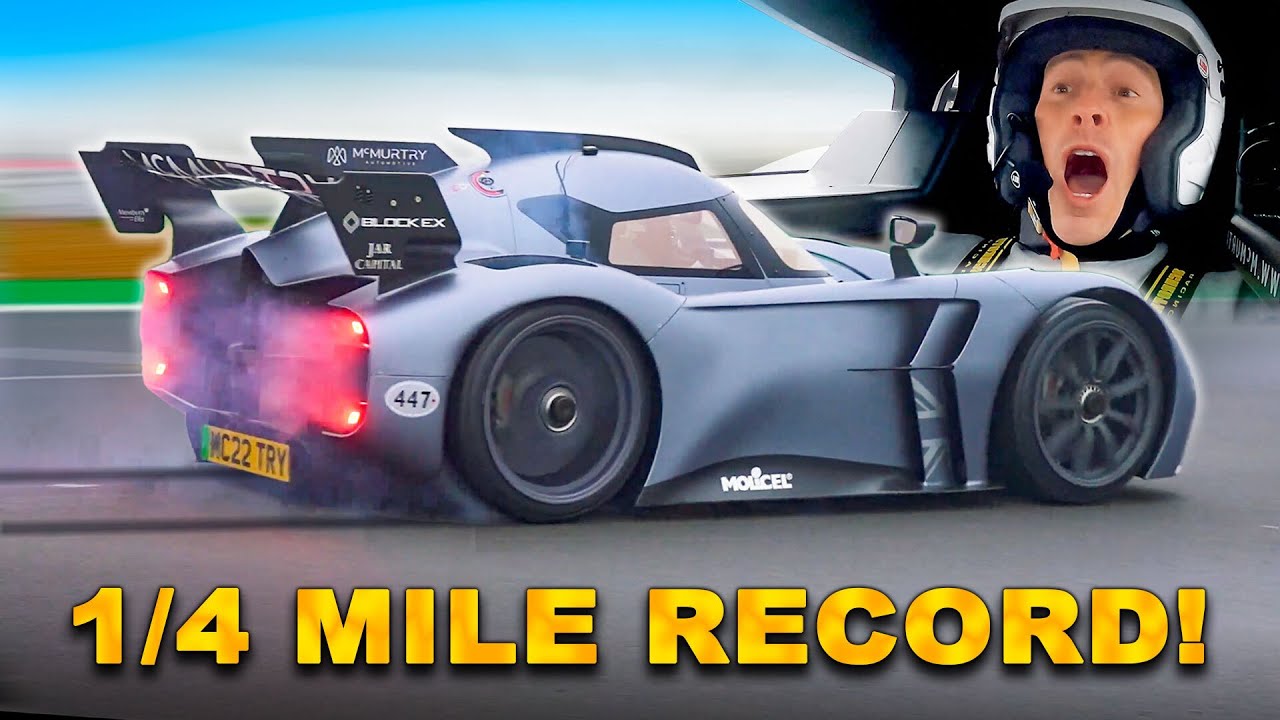
Here’s the driver trying to get out of the car from the OP’s video (queued to the right spot so only a few seconds of viewing necessary):
Yes but at 7:20 the first driver pops right out.
Yeah…the 30-year-old fit guy.
Leno is 72.
But he loves cars so much it would not surprise me if he got one and just dealt with the hassle of getting in and out.
Ahh, I see that I actually misread you to start with. You were already accounting for the suction force, and were thinking about what to do with the excess airflow. I agree that with a CoF=1, it does not matter if you blow downward or opposite the direction of motion, and that you need >1 for blowing downward to be significant.
In any case, I think the effect is fairly negligible here. The Wikipedia page says the fan system is 60 kW. If the airflow is 50 m/s, that would be only 1.2 kN compared to the 10-20 kN given by the atmospheric pressure. And 50 m/s is a fairly slow air speed; in practice they’d probably need it to be much faster to keep the fan size reasonable. At 100 m/s, the thrust goes down to 0.6 kN. And that’s still assuming perfect efficiency.
The video of the car shows fairly unsophisticated exhaust ports. They probably get some benefit from backfilling the low-pressure zone that you get at high speeds, but I don’t think they’re counting on any real thrust from the airflow.
Here’s a clip of Jay Leno getting into his Mercedes 300SL. It’s got the same hump to crawl over. Go to 10:25 to see him get in.
A 300SL is like a Spitfire fighter plane. You don’t get in it, you strap it on. He wouldn’t have a problem with this car.
I haven’t watched the vids, so what follows may be totally off-base.
As to KW, CFMs, etc., there’s one approach with fans pushing ambient air upwards to push the car downwards via “F=Ma” and “equal and opposite reaction.” IOW, vertically oriented jets.
Another approach is to use the fans to evacuate the airspace under the car and let the differential pressure vs. the ambient atmosphere stick the car to the road like a giant (but semi-leaky) suction cup.
IMO the relative effectiveness of Plan B is vastly higher than Plan A.
Yes, that’s what’s going on here. The builder specifically calls it a “reverse hovercraft”. If the road were perfectly smooth, a car could create a perfect seal and get, say, 50 tons of downforce. With no net power usage for the fan, in principle.
Of course, they’re nowhere close to that level of efficiency here, but even a few percent reduction in air pressure would result in >1 ton of downforce.
Wouldn’t pulling air across wings be more efficient than just trying to suck the car down to the road?
I mean, instead of sucking air from under the car and letting the atmosphere push it down why not suck air over an upside-down wing that pushes down rather than provide lift? So have some reverse wings inside the air intake tunnels on the car. As air moves over them it pushes the car down.
Just guessing/asking here.
The problem with wings is the drag at the square of the lift thing. You certainly can do winged cars; Jim Hall at Chapparal once again was the pioneer here.
But I don’t think you’re going to beat the basic 14.7psi of available downforce if only you could extract that air from under the car.
Race cars routinely exceed 1 G when cornering. Top fuel dragsters exceed 5 Gs acceleration. Tires are pliable enough to push into the crevices in the road. So it is not two flat surfaces pressing against each other.
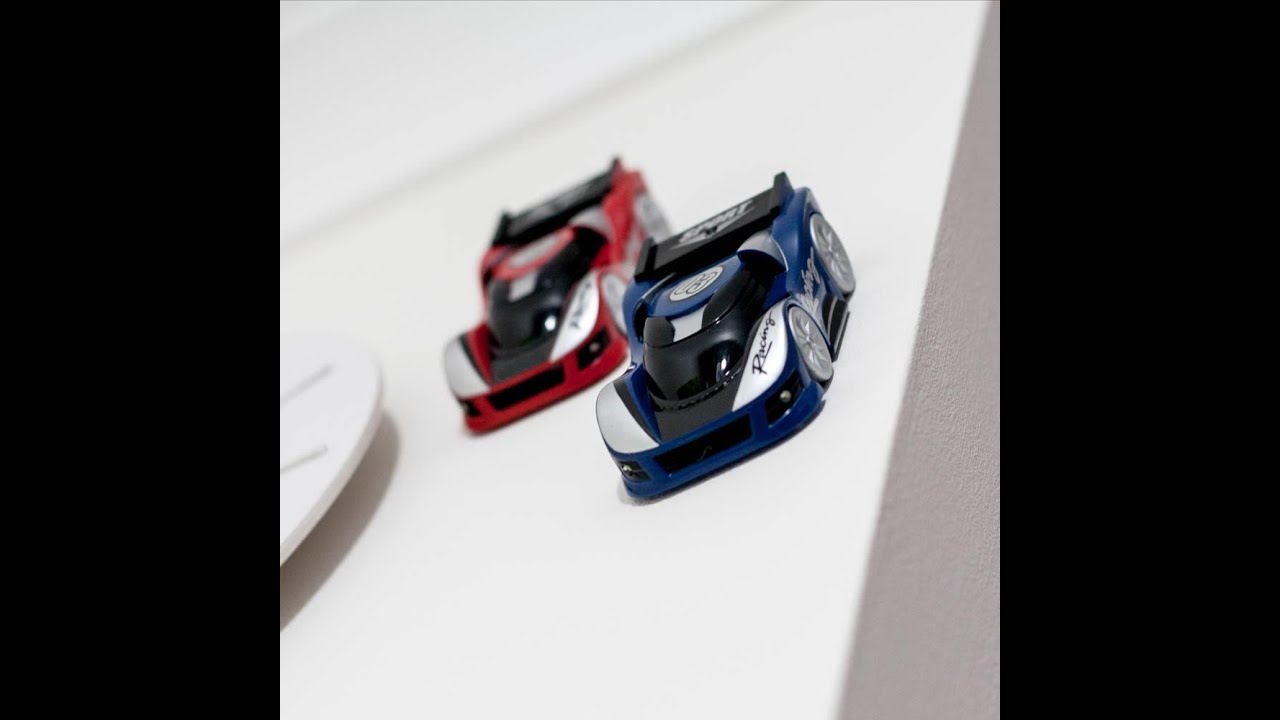
A more affordable version of the OP’s car: