The landing seemed to be as smooth and well-centered as any they’ve ever done. Either the winds died down or their control systems are extremely robust.
Pretty nice historic moment: 50th successful booster landing, and last launch of a Dragon 1. Future missions will use Crew Dragon.
Looking forward to hearing Alex’s report on the launch. I’ve seen a few launches from Vandenberg but I’d really like to see one at Cape Canaveral one day.
Didn’t see this post due to the new notification system.
The SN5 and SN6 hops were a lot of fun to watch. They say they’ll probably do a few more hops like this, working out the various kinks in their ground support systems and processes. The vehicles obviously work, and from what the livestreamers said, SN6 seemed to go more smoothly than SN5 (fewer false starts, etc.).
The 20 km hop is the next big milestone. That will require a vehicle with the flaperons or whatever they’re calling the big fins. Probably SN8. They’re shooting for October IIRC.
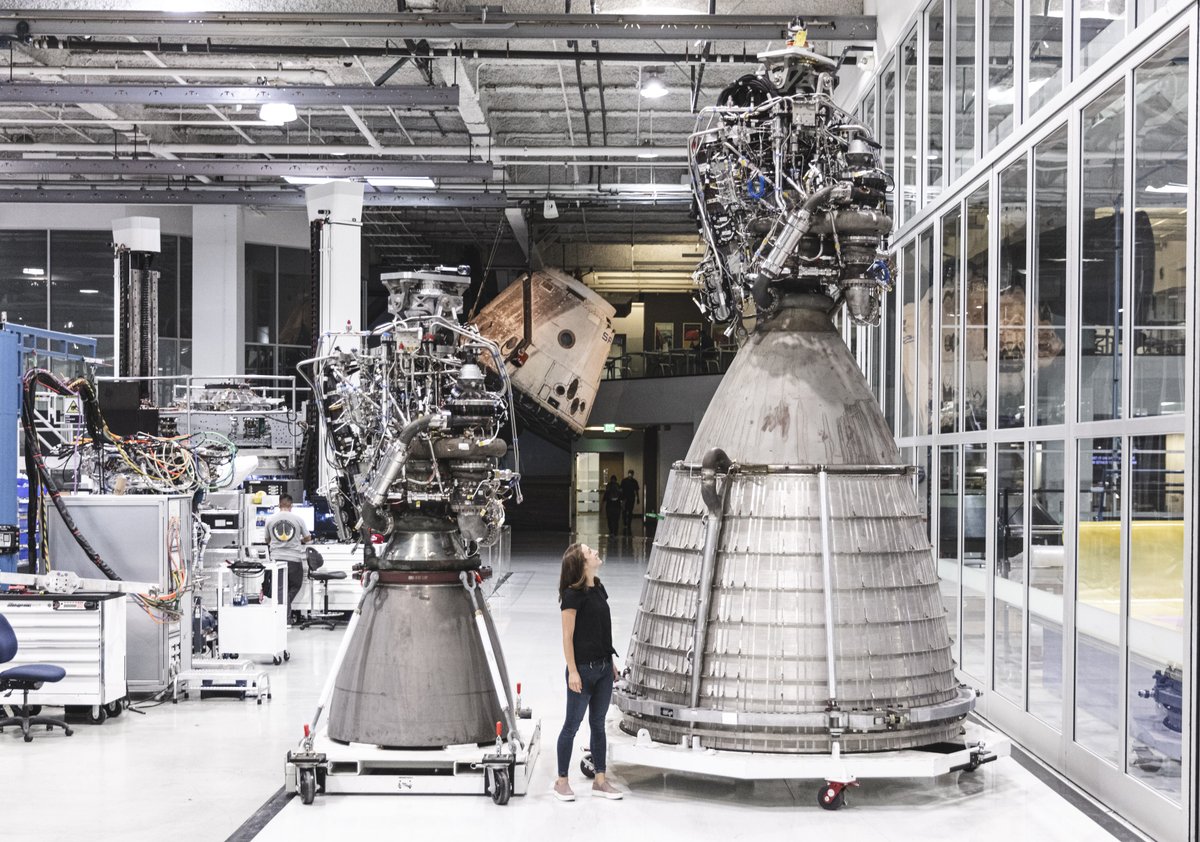
The first Raptor Vacuum engine is complete, and it’s a beast:
The engine part itself is the same, but the vacuum version has a hugely extended nozzle. And unlike the Merlin Vacuum, it’s actively cooled rather than radiatively. This is probably partly due to the higher performance, and partly because the engines will be contained inside the rear part of Starship, and there would be nowhere for the heat to radiate to.
In other news, they just had their 12th Starlink flight and are planning two more this month. They’re up to around 700 satellites now.
Yep, it seemed to be a very smooth launch. It takes them about a day to get there, and I think they said they’re sleeping at the moment.
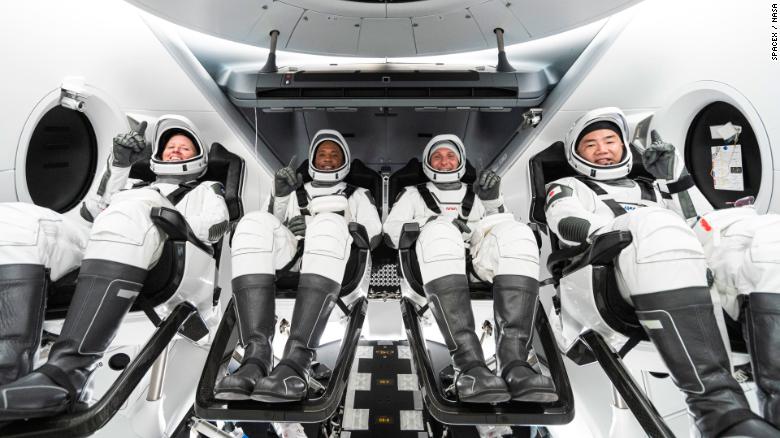
Interestingly, they mentioned that this was the first flight to be FAA certified for passenger use. I don’t know the details there but it sure sounds like this is the first step toward ordinary commercial flights.
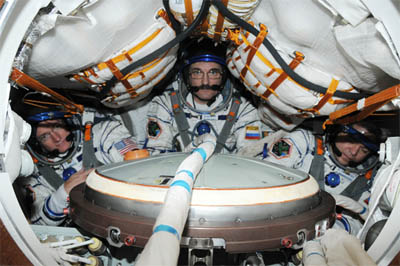
It really is a much more comfortable ride than Soyuz:
It’s not just that, though–this is apparently a brand-new certification process for the FAA, and not one that they’d necessarily undertake if they were just providing seats to NASA. NASA is the customer in this scenario, but there will be others.
Crew-1 will not only be the first mission to launch astronauts on a NASA-certified, commercial spacecraft; it’s also the first time the Federal Aviation Administration (FAA) has issued a launch license for a crewed space mission.
“So we in the FAA look forward to this historic event,” Randy Repcheck, the FAA’s acting director of operational safety, said in the news conference. “We’ve licensed suborbital launches with flight crew, but not not orbital launches, and certainly none with NASA.”
Presumably, previous flights were under some sort of experimental license or special NASA exemption.
One was a “pressure spike” in one of the thermal control loops. During the press conference it was said that this was just a transient startup glitch, and in any case they have a backup loop. When they restarted the “alpha” loop it was fine. So maybe they just need to tweak some thresholds.
There’s an ongoing issue with the propellant tank heaters. Doesn’t sound like an immediate issue to me and the propellant is warm enough for the time being, but they’re continuing to diagnose it.
So, not quite a perfect flight so far, but certainly nothing serious as of yet.
Just heard that the issue with the propellant heaters (actually line heaters, not tank heaters) has been resolved. Similar to the first issue, the limits on them (not sure of the measurement in question) were set a bit too conservatively and they triggered the limit. They set it to a more realistic value, rebooted the system, and all is good now.
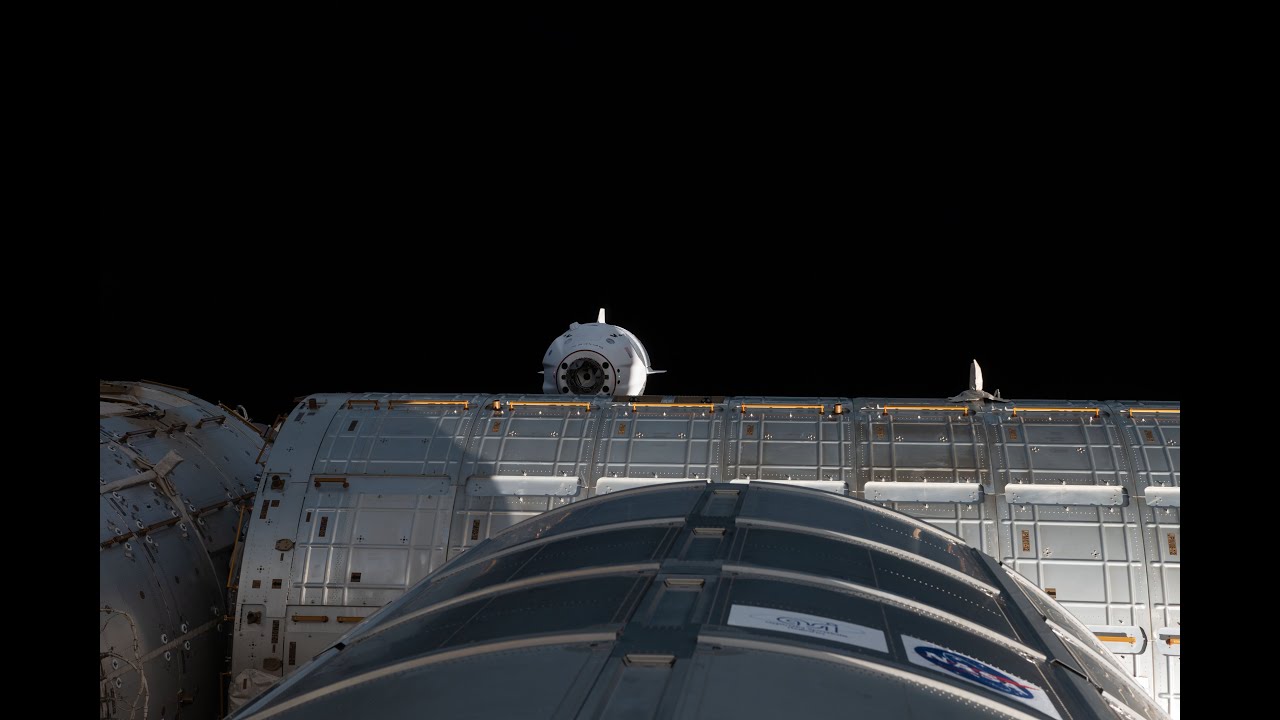
Some pretty nice views of both the Dragon capsule and the ISS. At the moment, they’re waiting a few minutes for the sun to set (a quick thing when a “day” lasts 90 minutes), but aside from that they’re go for dock.
It does look like a lot of fun. I wish we had a really big station, though, where people could really zip around in a large space. I hope SpaceX sends up a big hab module at some point. Or even just leaves a Starship permanently docked.