You generally do not want to pay off your mortgage (unless you need to do so for peace of mind).
Your mortgage is generally at a low interest rate which is effectively lowered by mortgage interest being a tax write off. Money not used to pay off a mortgage remains invested and in most circumstances will earn at a substantially higher rate over time than the interest rate of mortgage debt. This is even more so when the funds are in a tax deferred account for obvious reasons and that is generally where most of the non-home equity assets will be for retirees in your example.
This is not a speculation. This is very very basic financial planning. If you have personal experience that says otherwise, I would be interested in hearing it. Not interested in an AI search result.
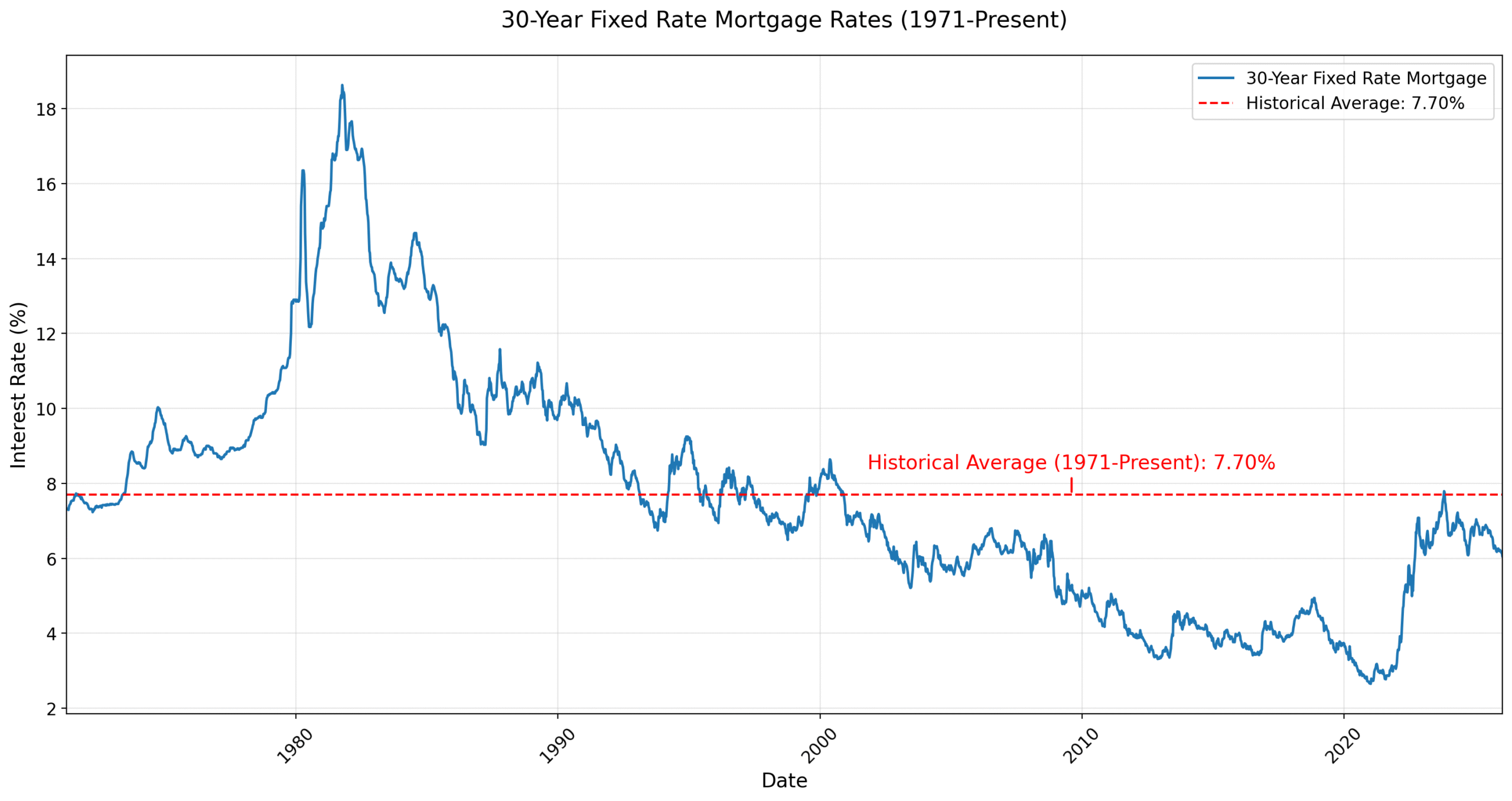
When the market beats mortgage rates, its better to put it in the market. But now that mortgage rates are starting to hit 8%+, the equation can change when you factor in dividend and capital gain taxes.
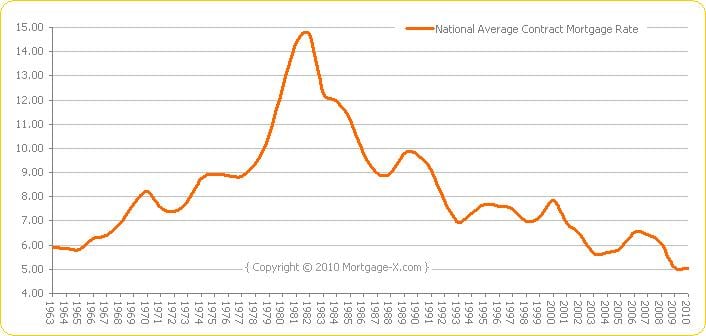
The extra low mortgage rates we are used to are a historical aberration due to interest rates being cut low to recover from the 2008 financial crisis.
No, it isn’t hard or risky to beat even 8% right now. The market has been very good.
But once the market shows real signs of slowing down, sure pay down and 8% mortgage. But that is also where refinancing comes in.
My rates in the 90s were under 6%. This is not just a 2008 thing. Also it has been 18 years now. That is a long stretch.
My 2001 mortgage was also under 6%.
I refinanced on both of my first 2 houses and went much lower.
Average right now is apparently 7.5% on a 30 year.
I refinanced in 2020, and have a 2.875% mortgage. Which is wonderful, but we’re looking at having to move in the next year or two: our house has a lot of stairs, which have become difficult for my wife, and her leg issues. We’ve also seen my parents, and my mother-in-law, struggle with homes with stairs, which they should have moved out of long ago.
So, we plan to move into a single-story home, but we’re undoubtedly going to have a much higher interest rate as a result.
I agree, recently its been growing at 20-25%, but thats mostly due to tech stocks from what I know. Its not sustainable forever, nobody can really time the market.
The historical long term growth rate for large cap and S&P 500 stocks is about 10%. If you are getting 20% annual growth and a 3% mortgage its easy to decide.
But over the long run the average return is 10%. If the mortgage rate is 7-8% and when you factor in taxes on capital gains and dividends it becomes a more complex question and not as cut and dried. But you also have whether you have a high cost mortgage and itemize your deductions. Anyway, I guess my point is it starts to get more complex when mortgage rates hit 7-8%, which is a historical norm.
Are you downsizing at the same time? That’s what we did in 2020. Combined with insurance moves we saved about $16,000 a year and put some money away into investments.
It was based on the assumption that extra after tax assets could be put into paying down a mortgage debt vs put into a brokerage account.
My point is that as mortgage rates approach 7-8%, its becomes a more complex question when you factor in taxes and deductions.
The 3% rates we are used to are probably not something we will get back. My understanding is that was a temporary thing due to recovery from thegreat recession.
I fully retired a couple years ago at 59, wife will retire this year at 60.
We started on the civil service path 35+ years ago. Took years of less than market salaries, with the promise of a pleasant retirement (including health care) at the end. Seemingly it will work well for us.
Since then every long term benefit, for new hires; has been removed from both our bits of local government.
You’re also missing that the mortgage payment doesn’t change. The money invested years ago has been compounding since then. Think about the portion of the funds invested in 2016. The S&P is up 262% since then.
Now it’s theoretically possible that you have a point and all of the experts and the real life experience of millions of people are wrong but is extraordinary fucking unlikely.
It’s funny, we took on a 5.25% mortgage in 2003, and I looked multiple times in the 2010’s at refinancing, because all the advice was that once it’s dropped a point or two it’s worth looking.
And so I looked. And one thing I did initially was, I used some of those online mortgage refinancing calculators to see what made sense… the problem, I came to realize, was that the refinancing options I looked at either had closing costs or inspection fees or other fees that I can’t remember the names of anymore, and none of the online calculators looked at the lost opportunity cost of investing those additional funds. They also, at least at the time, didn’t look at the present value of opportunity benefit/opportunity cost of having more investable cash in the short run, but paying that mortgage out in a longer run.
Maybe those online calculators are better now, but at the time I built a massive spreadsheet that also had a net/after tax investment return dial so I could see where a break even might be. Though even that I had to assume a constant rate of return over time, which isn’t right.
Anyway. Refinancing always seemed to be about breakeven financially at present value, after all that, So, while I recognize my own instance is particular to me, I do take all that advice from financial institutions about refinancing with a grain of salt.
ETA also note that I was doing this in the shadow of the 2008 financial crisis, so all that “regular returns are 10% in the long run” felt less applicable at the time.
The first time we refinanced was less than a month after buying our house. We were able to reuse all the inspections and other paperwork. We made back the refinancing fee on our first reduced monthly payment. We refinanced two more times, within the first two years.
Several years later rates dropped enough that we considered refinancing again. It wasn’t worth it. In addition to the hard costs, there’s a certain amount of hassle and paperwork, and that made it definitely not worth it.
We paid off our mortgage about ten years ago (we paid on a 20 year schedule, not a 30 year schedule) and we’ve felt rich ever since. Did that maximize our net present value? Probably not. But having lower fixed expenses just makes everything easier. And it’s one of the things that made me feel comfortable about retiring. We have some fairly certain retirement income streams (i have a pension, for instance) and they are enough to cover our hard needs. So i can retire and still be comfortable taking pricy vacations, because that’s money in the “after needs are met” bucket.
Like I said in the beginning of this conversation spur, you can’t put a numeric value on peace of mind. If an early payoff reduces your anxiety, you should do it.
Whether or not to refinance is a different discussion than making larger payments to pay it off early. Refinancing is a pain in the ass and there are usually related expenses while they can be folded into the loan are still expenses. Some play the game of frequent refinancing but it can quickly get to the point of diminishing returns. I refinanced to a much larger loan when I bought out the ex at an inopportune time. I refinanced again when rates significantly dropped to 3.25% and I saved over $500/month.
Then COVID hit. I was able to not make any payments at all for like 21 months with no hit to my credit. Hell yeah I’ll take that. At the end of that I was given the option of a completely free refinance to a 40 year fixed at the same rate. Easiest decision in the world. I’m not going to live long enough to pay it off either way. My equity is growing from appreciation rather than what little I’m paying the loan down.
It is a really highly individual thing. In our case, we got our initial loans a year or two before the financial business and recession, so refinancing several years later meant we got dramatically lower interest rates than we’d had. So much so in fact that we were able to refinance to a 20 year note and keep the monthly payments about the same. Just paid off the house in July. It’s shocking how much of a difference not having to pay the mortgate makes every month, even accounting for property taxes and insurance.
But all that’s highly dependent on timing and your particular credit, and all the other stuff that factors in.
I’m not trying to take this thread off topic, but my point is that again, it gets complex. Also you don’t have to be rude about this.
Yes the S&P 500 is up quite a bit since 2016. That’s great. I have a lot invested in the stock market and I am seeing benefits from that.
But from 1999 to 2012, the S&P 500 barely budged. It went from ~1300 in 1999 to ~1300 in 2012. If you had had a mortgage with a high interest rate during that period the situation becomes more complex. Timing the market is impossible. The reason the S&P 500 returns 10% a year is because sometimes it grows 20-30% a year like its doing now, and sometimes it grows 0% over 13 years like it did from 1999 to 2012. When you average it out it comes to 10% a year.
My point is that a world of consistent 3% mortgage rates and 20% growth in the stock market is an easy answer. But those are not permanent things. Mortgage rates and the stock market change all the time.
A federal reserve rate of 0.1% is a historical aberration that we temporarily had for about 10 years to deal with the fallout of the 2008 economic collapse.
Stock market returns change all the time. Mortgage rates only change if it’s an adjustable rate mortgage (which someone would be insane to take when rates were in the 3% range). But once a mortgage is taken, the rate is fixed for the life of the loan. That makes the interest rate arbitrage much simpler to manage.