Kraft (the cheese company) sold it’s goodwill in Australia a couple of years ago. The company which got the peanut butter business got use of the Kraft brand for a year or more, then changed to a similar logo with another name. Then there was a dispute about how close the branding looked.
Some marketing people think brands have a magic power that ensures high profit margins and sales, some customers buy on the strength of a brand name. I get increasingly skeptical after repeatedly finding that branded products that used to have a good reputation got put through the financial wringer by the bean counters and were a shadow of their former selves. The same applies to any “Made in …” label, when the product is in all probability manufactured somewhere in the Middle Kingdom.
As squeegee said they rebranded immediately. If there aren’t old models that exist with both brands it is pretty close. The design I like to call the Volvo 240 of laptops definitely spanned the transition.
Bell and Howell was the first brand to come to mind.
B&H was once considered to be a high quality brand. Then it went bankrupt and its brand was sold to a licensing company which sells the brand name to manufacturers looking to juice up the supposed quality reputation of their crappy products.
So you can find “Bell and Howell” products of all sorts, and they have no relationship,with the original company or even with each other except for buying the same brand name fro the same licensing company.
Yes, but the OP is looking for brands that aren’t made by the original maker and are masquerading as the original. Lenovo isn’t doing that because they’re not calling that laptop an “IBM ThinkPad”, the Lenovo brand is clearly being used.
An example that might fit here is Kentucky Fried Chicken. The bearded gentleman appearing in its logo is company founder Harlan Sanders (who used the title “Colonel” in reference to having been appointed a Kentucky Colonel, not in reference to an actual military career). In 1964 he sold his company to a group of investors, but granted a licence to use his likeness in the logo and in advertising. He kept doing publicity stints for KFC, effectively appearing as their public face, for many years after the sale on a salary basis.
Sometimes political circumstances rather than corporate restructuring can lead to a split of a brand from the company commonly associated with it. For instance, after the Castro revolution, the Cuban government expropriated the Bacardi family that owned much of the island’s rum business, including many trademarks they owned. One of these trademarks was Havana Club rum, and in most countries, products sold under that trademark are made by a joint venture of the Cuban government and the French Pernod Ricard group. The United States never recognised this expropriation, so the Havana Club rum you can buy there is an entirely different product madeby Bacardi (now residing in Bermuda). There’s a similar story about the Aspirin brand, which was confiscated in the United States during World War One as enemy property, but has since become entirely genericised,
Thought of another one: Kodak film (other than motion picture film) is now manufactured by Kodak Alaris, an independent UK company that was formed to satisfy Eastman Kodak’s obligations to the UK Kodak Pension Plan (who owns and operates Kodak Alaris). So Eastman Kodak still manufactures and sells motion picture film, while Kodak Alaris manufactures and sells other types of film.
Eastman Kodak and Kodak Alaris share ownership of the Kodak brand and logo.
Speaking of brand confusion I remember Packard Bell would have disclaimers at the bottom of their ads saying they were not affiliated with Hewlett-Packard, Pacific Bell or Bell Laboratories.
Interestingly enough apparently Packard Bell Computers was formed in 1986 when Israeli investors bought the American radio and television set brand from Teledyne and resurrected it as a manufacturer of low-cost personal computers. So they are not the same company as the original Packard Bell Corporation that manufactured radios and TVs in the 50s and 60s.
The current incarnation of Atari has nothing to do with the original company that dominated living rooms in the late 70s and early 80s. The French company Infogrames bought the rights to the name, logo, and IPs from Hasbro, who had bought it from a hard drive company that had absorbed the original company in the 90s.
Just to generalize with no offense to the Chinese but “Chinese knockoffs” is a problem with the product having the same name and model but was not manufactured by the company
My parent’s had a electronic lock on there entry door, I think it was a Weiser brand. I ordered one online that was same brand and model that was about 20% cheaper than the local store was selling them for. 9 months later it quit working so I called the Weiser number and told them how the circuit tape that ran from the keypad to the motor broke with just normal use and was wondering if it was still under warranty. The lady asked if my 1st two numbers on the keypad were 1/2 or 0/1. I told her which ever one it was and she said it wasn’t a Weiser lock but a illegal knockoff that was being imported. Nothing they could do to help me with my broken lock.
Same thing happened with a “Genuine Dell” toner cartridge for my printer bought online. After only lasting a few sheets it stopped printing and smelled really hot. Called the Dell number and it wasn’t one of theirs, might have been their box but not their cartridge.
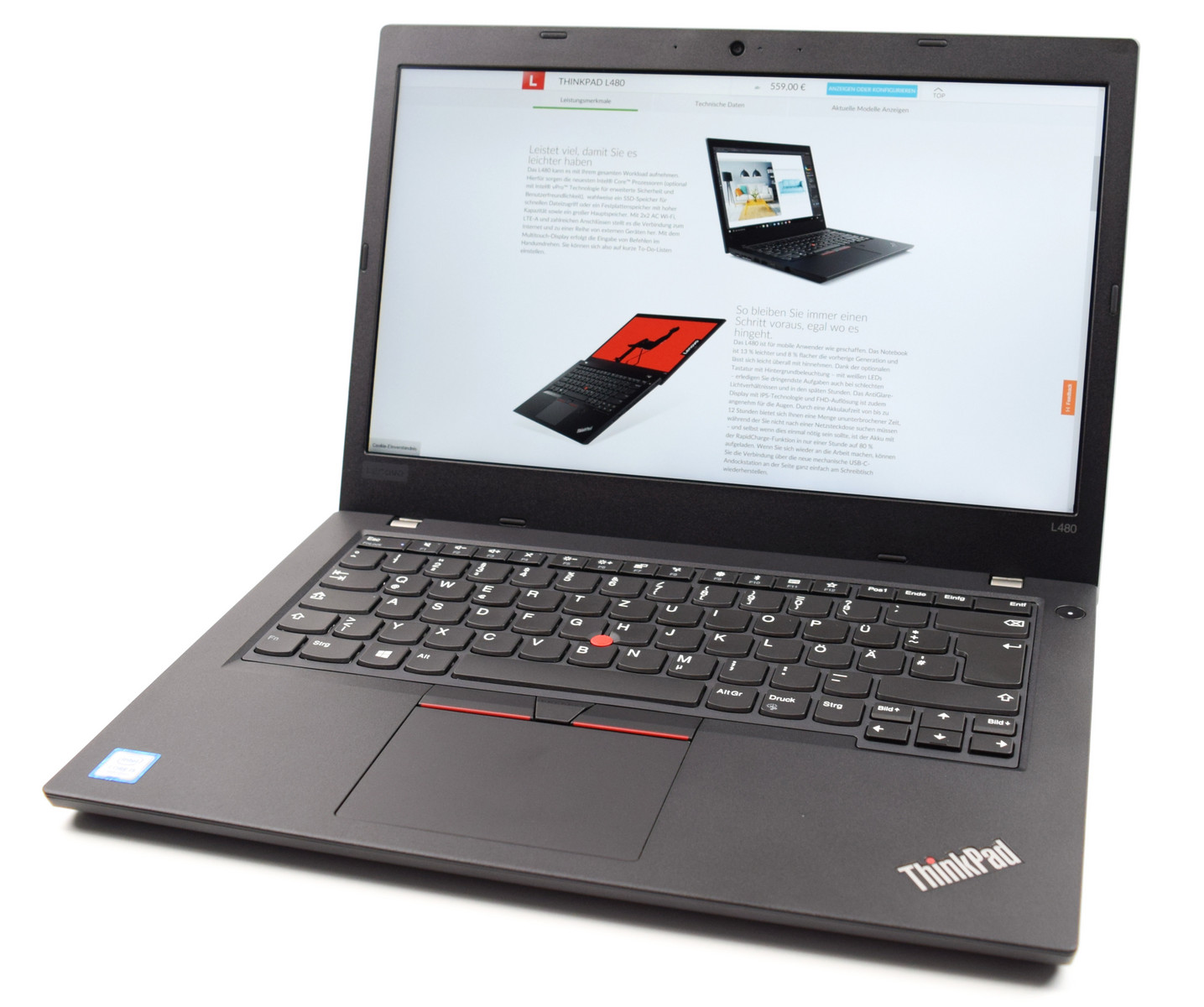
Well that’s just argumentative. Here is a Lenovo laptop that doesn’t say Lenovo anywhere on it. It isn’t made by the original maker but is masquerading as the original. They aren’t deliberately trying to fool anybody but it’s an example of how a trademark can be transferred to another manufacturer, which is the main point of most the conversation here.
I thought of them too, but the original B&H isn’t still around making anything so I don’t think it meetings the OP’s qualifications. It’s just a brand that went out of business and has been sold off.
Many countries have local versions of Playboy magazine. They’re produced independently by editorial staff in the respective countries and published by publishing houses that bought a licence to use the brand from the American company. The content is completely independent from the American original (other than being in line with the, um, overall style and tone of the periodical).
To the general public, Volvo the car company and Volvo the truck company are the same thing, and they were for a long time. There are lots of trucks, buses, and heavy equipment with the Volvo name on the side - that is Volvo that is still Volvo.
Because that company is still making trucks in Sweden people may think the cars are also still being made by that company. I think that meets the criteria of the OP.
As a side note, Geely bought a 14% share of AB Volvo a few years back, so they have an interest in taking over the Truck division too.