How were things different when you were a kid?

Yes, and in their waning days, many pay phones transitioned from a simple quarter for local calls or a few dollars for a short long distance call and became pay-through-the-nose-phones that required a credit card and would charge something like $20 to call anyone from anywhere if you didn’t have a calling card. They’d also frequently double or triple charge by “mistake” and then you’d have to deal with that.

They basically just became a way to shake down desperate people who needed to make short but urgent calls and either didn’t have or couldn’t find their cellphone or calling card. And I came of age at just the right (or rather wrong) time to experience that to its fullest as I went out of state to college starting in the early 00’s and my school did not allow cellphones. Bonus points because then, right out of college, I went overseas and my first cellphone did not work in the US. I only got my first cellphone with a US number when I came back. If I’d held out a little longer (like, literally a couple months), my first phone in the US could have been an iPhone.

Ugh. Miserable.

I seem to remember pay phones had some mechanism that allowed the operator to provide change into the little metal compartment on the bottom left side. Many kids (adults too I’m sure) couldn’t walk by a pay phone without checking the compartment for uncollected change.

It could be that they didn’t really make change, they could only refund whatever coins you just inserted.

I’m 69 to set my frame of reference.

We played Little League baseball. I know the LLWS is still a thing, but neither the town I grew up in nor where I live today has LL baseball.

Baseball was on TV on Saturday on NBC (with Tony Kubek and Joe Garagiola) and your local team broadcast SOME games (like maybe 5 or 6 a month) over the air.

There was no scorebug for baseball or for that matter football. Every once in a while, the count would appear on the screen but otherwise the only time the score appeared was between innings showing R-H-E for each team. In football, no computer-generated on the field first down lines. If they wanted to show time remaining, they cut to a shot of the scoreboard.

You read the Sunday sports section to see everyone’s batting average and other statistics. You looked at batting average, home runs, and RBIs. Nobody ever dreamed of the abomination that is WAR.

You want to play ball (other than LL)- you get on your bike with your bat and glove (and maybe a ball) and go from house to house to round up players. We had a nearby vacant field where we played most of your games. The bases were either scraps of cardboard or a rag that we might find. We umped ourselves and really never argued calls. No walks, if you didn’t swing you ran back and tossed the ball back to the pitcher.

It was a big fucking deal if your college team was on ABC Saturday football. If the game was really really important, the Goodyear Blimp would fly overhead.

Movies on television were NBC Saturday Night At The Movies and the like. If you missed it, you missed it- no DVR or pausing live tv for a bathroom break.

Hot lunch at school was 40 cents or you bought a strip of 5 for $2. A carton of milk (even had chocolate milk!) was a nickel. When fish sticks were served, a little paper cup of tartar sauce came with it.

At school, the boys invariably wore jeans with a button-up shirt. So did the girls on some days, on other days they dressed like Marcia Brady with minis, heels, and hose. Nobody but nobody would even dream of wearing shorts to school.

When movies were shown in school, a 16mm film projector was used. Nerds like me could get certified to set up the movies when the teacher didn’t know how.
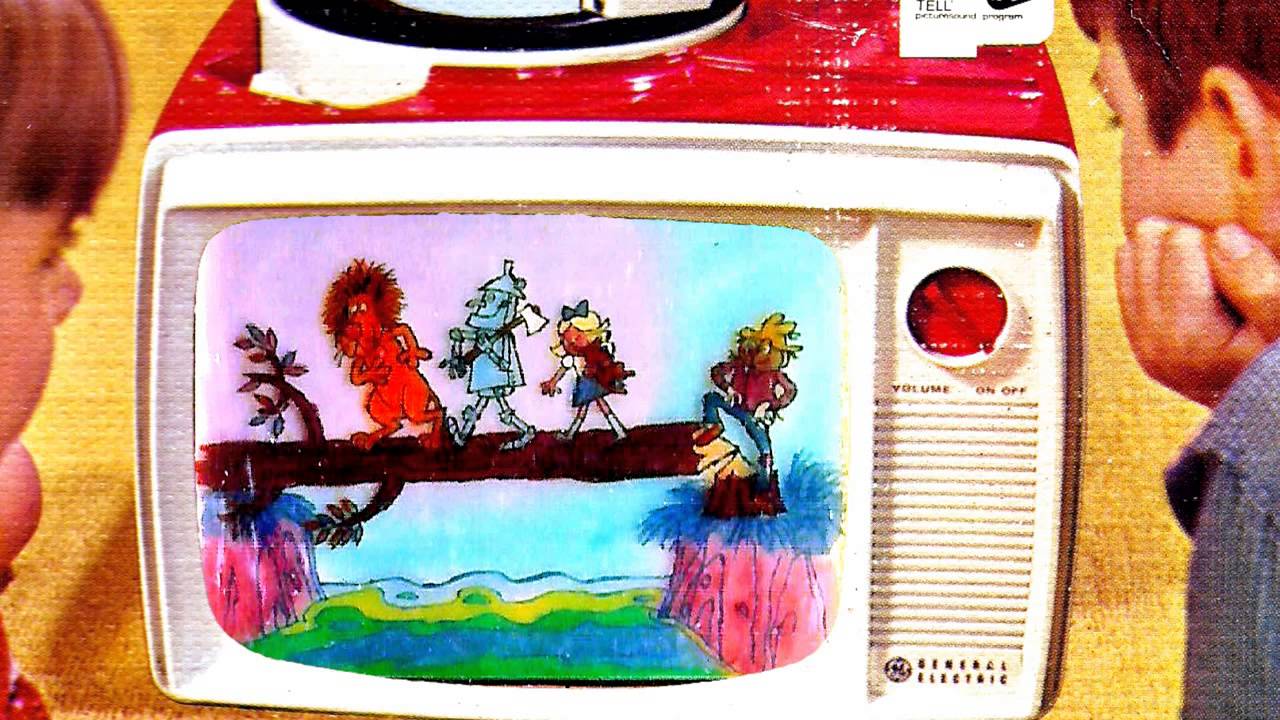
and don’t forget “film strips,” They were a staple in our elementary and junior high. In later years they came with a built in cassette player that would auto-advance the frames.

Filmstrip - Wikipedia

Vagrants discovered they could shove a wadded-up piece of paper up the slot so the phone would “fail” to deliver change, then come by later to harvest it.

I remember similar sentiments during my first year of University in 1995 (in the north of the UK, where things were cheaper) when the price for a pint in the student bar went over one pound for the first time.

I once had a copy of this, no idea what I did with it but it was a great guide to now-vanished features of 20th century life:

I was going to mention the film strips but forgot. As I recall, a lot of the time the strip would not advance when the recording beeped so the teacher had to manually advance the strip when the beep sounded. Sort of like caveman Powerpoint.

In the early days, there was a beep to tell the teacher (or designated student) to advance the frame. Over time, the more “modern” ones would advance automatically on the beep (or, as you say, were supposed to)

Living in the country, the ‘general stores’ back then would frequently have big glass jars full of cookies that you could buy. Usually they were a little hard, so even though you could eat them as crunchy, some people would blow thru them to soften them up a little.

Ditto masters — oh, the smell! Makes you want to float down the hall like a cartoon dog.

Cassettes? Our church had one with an attached record player. The record narrated the frames. There was a beep that let the projectionist know when to crank up the next frame. I used to tell my sophomores we were going to have a burlesque show and watch a film strip!! (That was in a high school, not church.)

The late model dittos just used methanol as the solvent. Not really aromatic.

The best 16 mm films in school were the two reel National Geographic movies. They took up the whole class.