I’d guess we’d have to make a distinction between “serving the narrative” and “pandering to the narrative”, as with this:
We as an audience can accept a decently lit room as “dark”, because we need enough light to see what’s going on. But at the same time, if the movie uses this light to propel the story in a way that just could not happen without actual light, then the suspension of disbelief becomes much harder.
Probably the best example I’ve ever seen of how to balance this is this scene from Silence of the Lambs:
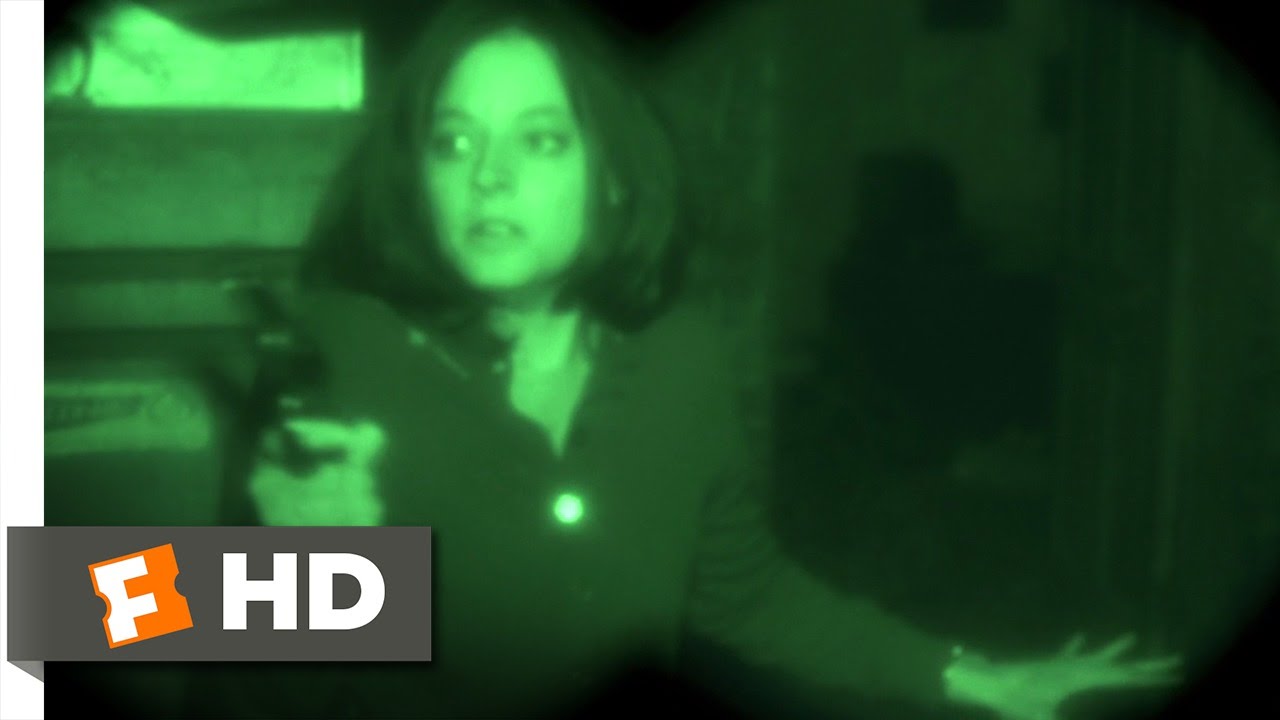
We accept the “killer’s night vision” shots, because that lets us seen what Agent Starling is doing, but Agent Starling is clearly not able to see anything. The shots looking at the killer, while dark, are lit well enough for us to see at least some details of his face, but if it were really that well-lit, Agent Starling would have seen him. But since this is just a visual convention of story telling, it has no reality in the scene. The scene plays out as if it were were pitch black in that room.
We see this again as she shoots him - the shots light up the whole room in a manner that would never happen in real life, but it lets us see what’s going on. Since this has no effect on the story itself, just our ability to see it, it’s worth doing.