The EF scale is based on observed damage levels, not wind speed. Starting from a qualitative assessment of damage, an EF number is determined. Each EF number is officially, but only roughly, correlated to a quantitative range of wind speeds. EF5 is all there is, which level of near total destruction with the land pretty well scraped clean is assumed to be correlated to winds >200mph.
Thinking about it, one limit is going to be that there can only be so much energy at the center before it stops being a hurricane and is something else, like an explosion.
To use the previously mentioned example of a hypercane fueled by the aftermath of an asteroid strike it happened in the aftermath because the actual asteroid strike is too violent, transient and energetic for something like a hurricane to form.
This thread made me look up Jupiter’s ‘Great Red Spot’. Which is actually sort of an anti-hurricane. It’s a high pressure, not a low pressure. (Anticyclonic storm - Wikipedia)
268 mph wind speed. For whatever qualifies as wind on Jupiter. You best hold onto your hat though.
Thanks folks. I am definitely going to buy that book. What is really freaking weird, being semi-retired, I don’t have time for reading. I might watch a ‘Wednesday’ TV show twice a week
Two work meetings this morning, and then I’m gonna blow out our sprinkler system at our new house (If they had designed it correctly, I would not have to do this [I used to be in the business]).
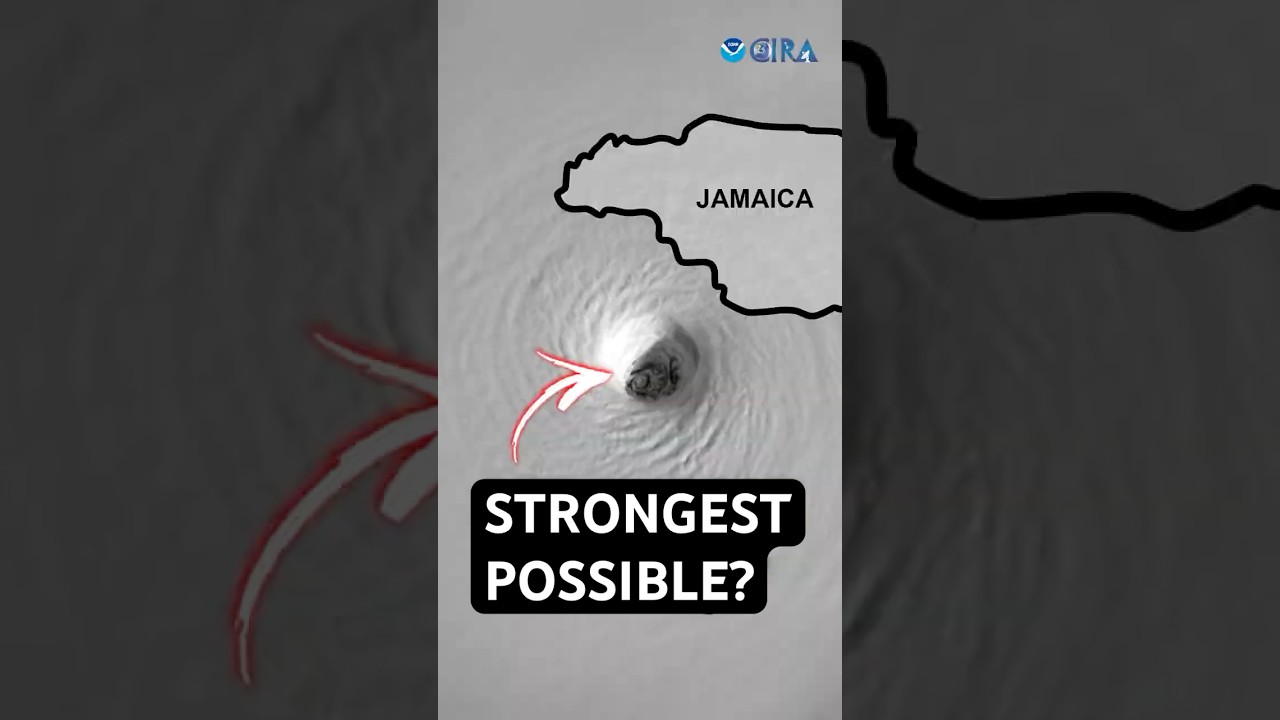
After following National Hurricane Center forecast discussions for a few years now, the major hurricanes generally go trough eyewall replacement cycles. As the speed at the edge of the eye really gets up there, a second wall forms outside the first. The speed drops as that second wall steals energy from the first. The new one gets strong again and the cycle repeats. The storm cycles between cat 5 and cat 4 until it eventually encounters less than ideal conditions.
 [I used to be in the business]).