I remember the good old days of the med Quinamm (quinine). It’s still around to treat malaria, but its use for leg cramps was actively discouraged decades ago due to many unfortunate (and far too many fatal) side effects. Even as I type this I’m sipping a bottle of Navy Hill electrolyte plus quinine beverage (very low dose, not considered dangerous or helpful).
I should have mentioned trying quinine (high dose) on my patients back in the days when it was advertised in Modern Maturity Magazine, with a photo of Don Knotts in pajamas, his calves tied into knots (get it, knots? Knotts? He was such a kidder). Most patients thought it helped wondrously. I don’t recall killing any of them with it, but you never know.
Anyway, tonic water does not help my knots, but I did develop a taste for it, particularly with lime.
One reason there’s no single cure for leg cramps is the fact that it has so many probable causes, one of which is just ageing of the nerves in the distal extremities. Changes due to the ageing process don’t respond so well to various electrolyte therapies.
A few days ago I mentioned this in a thread about alternatives to alcoholic drinks. I drink a blend of half quinine water, half sparking water now, which I began as a possible leg cramping remedy (didn’t work). I like the bitterness.
I was surprised burnt offerings did not help with your cramps. Having done bloodwork on hundreds of people complaining of cramps, it is unusual in my experience for this bloodwork to show abnormal blood levels of electrolytes, calcium (with albumin corrections) or magnesium.
Low levels of magnesium may be more common than you think, although the numbers quoted on weightlifting blogs seem suspect (“more than 50%” though normal blood ranges are generally defined to include 95% of normally-distributed people). The first article, below, nevertheless says, worldwide, 30% of people have low levels of magnesium due to diet and processed modern foods having lower levels than previously.
The second article says supplementation does not help much. But it would if body levels were low, and blood levels do not always reflect body stores. Anecdotally, a lot of weightlifters who get cramps say they get relief from magnesium and other electrolytes. I eat pumpkin seeds (very high in magnesium), supplement occasionally and enjoy occasional gin and tonics. I am not exactly sure how similar the quinidine they used to prescribe for nocturnal cramps is to quinine in tonic water, but I’m guessing pretty close. If you have cramps, it makes sense to try more calcium, magnesium and electrolytes - preferably from natural foods.
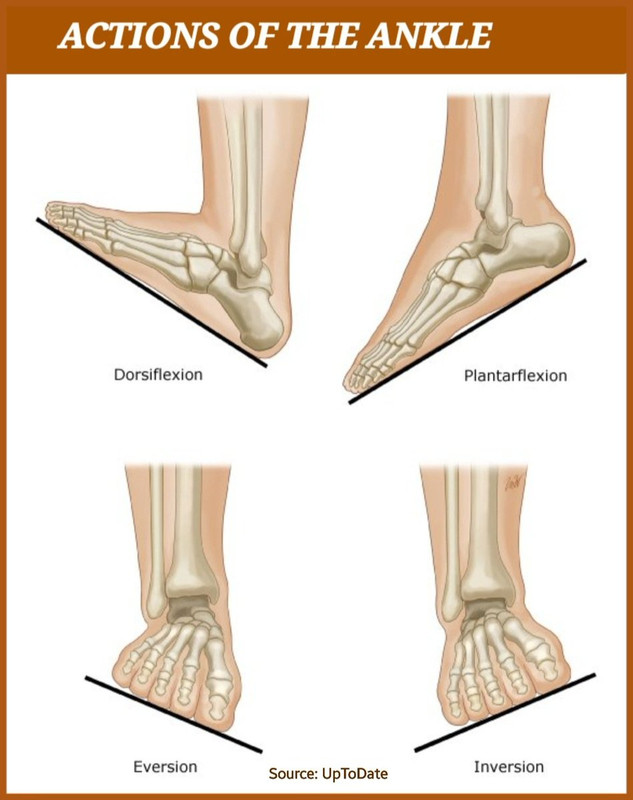
My greatest agonies from lower leg muscle spasms come when the muscles involved in both dorsiflexion and plantar flexion of the ankle cramp up at the same time. Stretching out the dorsiflexion muscles to relieve the spasm causes the plantar flexion muscles to spasm more, and vice versa. I may have to hobble around for up to 5 minutes before that starts loosening up much.
It’s no picnic having the muscles for ankle inversion and eversion spasming at the same time either. And I’ve on occasion had the musculature for all 4 motions seem to spasm at once.
Happy is the cramp where the spasming of a muscle has no opposing muscles spasming against it. Stretch that lone muscle out and things are peachy keen again pretty quick.
A review of PubMed studies show lots of them claim that, even in North America, 28-50% of people are magnesium deficient. They blame food processing, diet and the fact food magnesium comes from soil which gets depleted over time, but magnesium is supposedly not an explicitly added component of modern fertilizer.
So taking a supplement at modest dose (150-300mg, equivalent to 1-2 handfuls of pumpkin seeds) might be worth a try if you have cramps.
Having cramps in antagonistic muscle groups sounds terrible. I hope your electrolyte solution kicks in soon!
It’s taken a while, but the results from the RIDE study are now in!
Here’s the summary
Summary
Initial (with Mg) – 1 twinge in 5 rides; Dechallenge (no Mg) – 4 severe cramps and 3 twinges in 5 rides; Rechallenge (with Mg) – 3 twinges in 5 rides.
and here are the results in full. I know there must be a way to print a word doc to jpeg, but I can’t figure it out right now, so this is just a photo of a screen. Sorry.
I’m doing this as two posts for …reasons (technical ones).
I know this study is riddled with issues - it’s tiny, and there’s no blinding for a start - but I think the results are rather persuasive. At the very least interesting.
I will persevere with magnesium, but I’m now embarking on a dose-finding extension (one Ca/Mg tab plus one Ca tab) to see if I can reduce the Mg dose but maintain the apparent benefits. I will report back.
Is it calf cramps you are getting? And you get them after you ride? I get them while I’m riding. Typically I get that “twinge” and can stand in the pedals and stretch the calf before I get a full-blown cramp.
Now that winter and snow is disappearing, I’m ramping up my riding on the dirt and gravel. I’m hoping the decrease of nocturnal cramps I seem to be having due to creatine will transition to no cramps while riding as well.