For those not in the know: “pork store” is a NYC/NJ term for a butcher shop specializing in pork, usually found in Italian-American neighborhoods. The joke (beyond the reference) is that a “corned beef store” would be the Irish-American equivalent if such a thing existed.
In the Back to the Future trilogy, which I must seen at least 50 times, I only recently learned that the homeless bum that exists in 1985 (the one referred to as “Red” a few times over the course of the trilogy)… Is the mayor in 1955, in part 1, mayor Red Thomas.
You don’t ever see him in the past but you do see him on the car as it drives by telling people to re-elect him.
This is probably just a coincidence, but I just realized that “Andor” is literally just the words “and” and “or” put together. If you could fit “but” in there somehow we’d be at Conjunction Junction.
True, I just never caught that one. Interestingly, I just watched a (well, another) compilation video of exactly that.
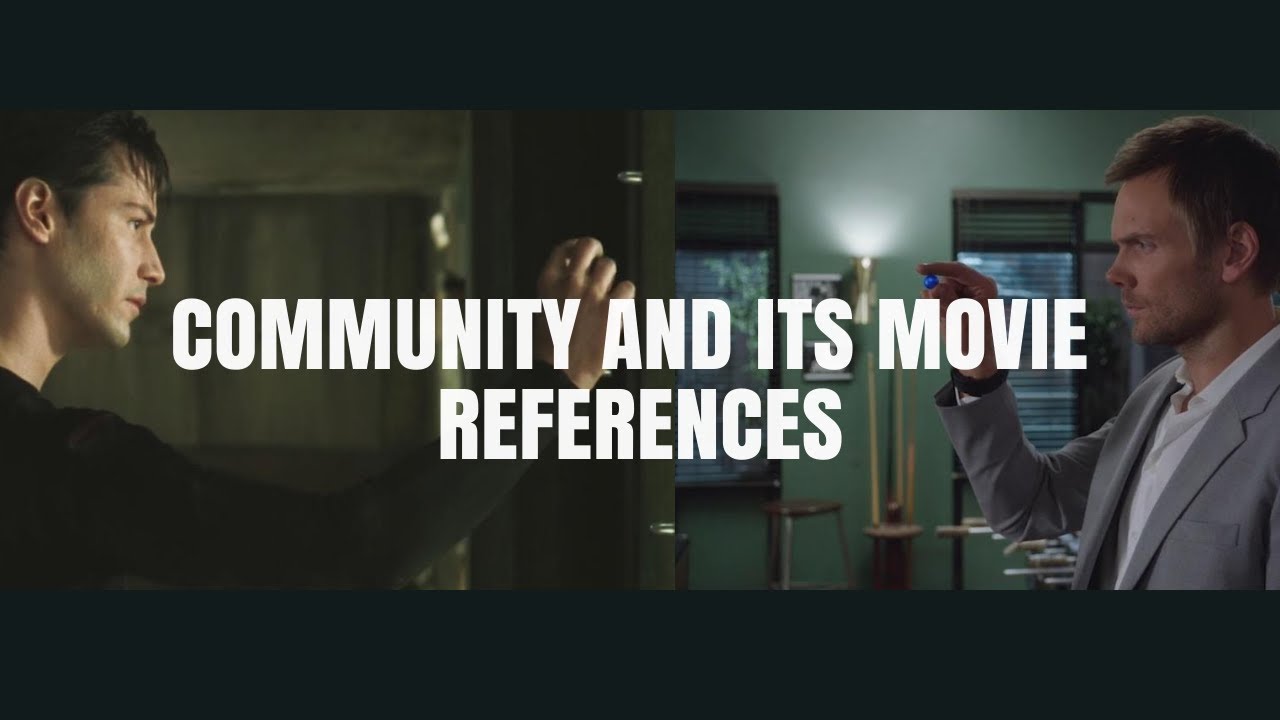
But, if you really want to see those types of references, Community was great at it. And, like Archer, they generally don’t call attention to it, they just reenact a scene from a movie, and if you don’t catch it, you won’t even realize you missed something.
In the Harry Enfield/Paul Whitehouse “American Tourists Go for Breakfast” sketch, the male tourist cheerfully pontificates about American football teams with names like the “Rapists” and the “Terrorists.” Took me a while to realize this isn’t just random surreal humor - it’s playing on the British perception of actual American team names like “Pirates” and “Raiders” and “Buccaneers.”
If an immature joke counts as a creative work, for a while NPR was running a promo for Wait, Wait, Don’t Tell Me in which Peter Segal said something along the lines of how they snickered every time they heard the word “fiduciary”. At first I just thought “Ok, that’s kind of a funny sounding word”. It took me quite a while before I realized it was because the second syllable sounds like “douche”.
This is questionable. Thea von Harbou, who wrote a novel which she then adapted into a screenplay, said that it was intended to be set at no particular time. A foreword to a 1963 American edition of the novel by Forrest J. Ackerman said that it was set in 2026.