From a quick Googling, it looks like that’s not the case in most states but there’s some that you have to pay. You may also have to prove you were the original owner.
There exists in my jurisdiction at least, something called a pawnbroker’s lien. And there is a special provision provided by statute for someone to claim that property held by a pawnbroker was misappropriated. They have 10 days to settle the matter before the claimant is entitled to bring the matter to court - the show you were watching may have been in that stage where the courts aren’t involved yet. After the court hears the case and decides the pawnbroker has to turn over the item, the conveying customer is then liable to a replevin action by the pawnbroker.
Not a lawyer but if I’m reading this right:
- A steals property from B.
- A pawns stolen property at C’s shop. C does not know the property is stolen.
- B claims that A misappropriated his property and demands it back from C.
- C demands B pay on A’s behalf before the property will be released.
- 10 day impasse between B and C.
- B takes C to court.
- The court agrees with B and orders C to turn over the property.
- C (or his insurer) demands revindication from A.
~Max
I saw them purchase an old coin on Pawn Stars that turned out to stolen. IIRC they thought they’d have to return it to the original owner but found out that owner had been compensated by an insurance company so the pawn shop was allowed to keep it. I don’t know why the insurance company wasn’t then the owner of the coin and why they didn’t demand the coin or payment.
Long. Jump to 4:00 to when they find out it’s stolen 5:20 to when they find out they can keep it.
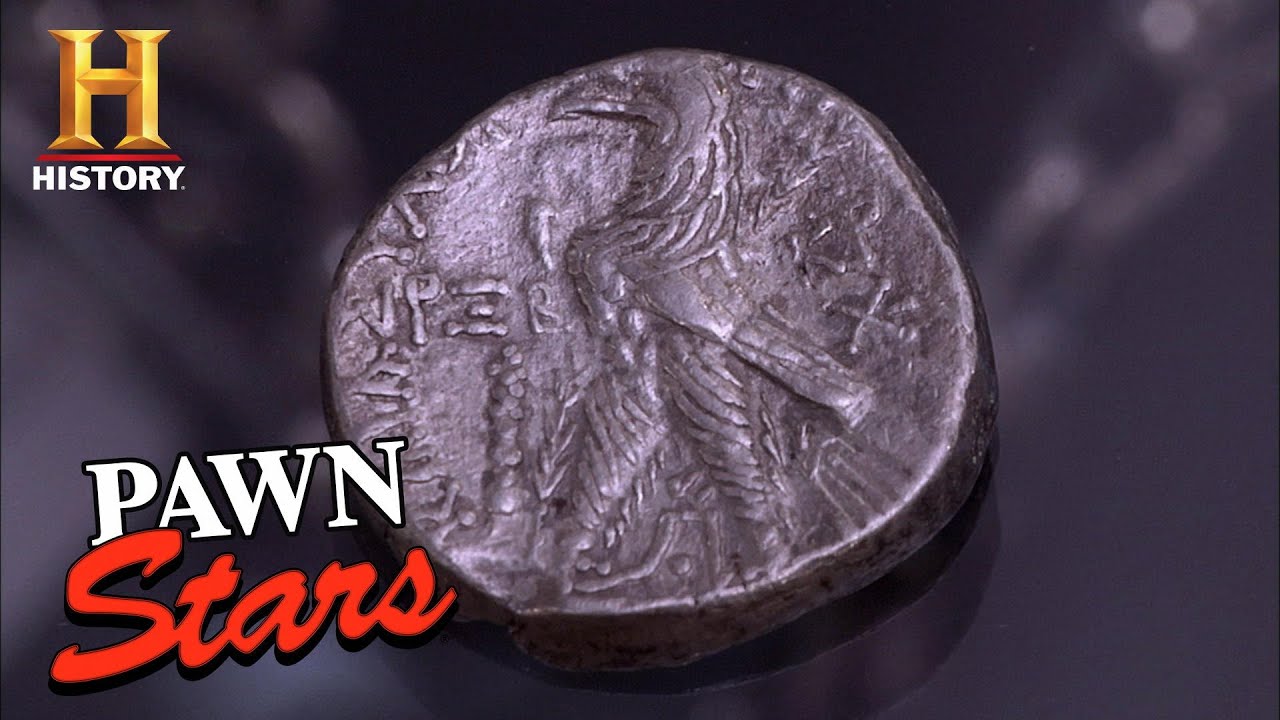
.
Here’s something I found:
Courts in some States, however, will not order restitution payments to insurance companies for various legal and philosophical reasons.
~Max
So simply identifying who has possession of a stolen item doesn’t automatically require it’s return. I can see insurance companies not wanting to get into subrogation mess around the country, and specifically in Nevada insurance companies don’t qualify as victims for their criminal restitution laws. I can see the difficulty in deciding who owes who what with stolen items passing through multiple hands. Insurance companies should eat the loss because that is their business and it’s usually impossible to make all parties whole.
Carvana has had issues, in multiple states, of not providing title to people who bought cars from them, in some cases offering to buy them back many months later. At least one state has suspended their business license over this issue.
I’ve bought used cars from both private people and from dealers.
When buying from a private person, you get the guy to give you the actual title that he has, and he fills out a section on the back writing it over to you. So you walk away from the sale with the car and the guy’s title, then you go down to the DMV with the title and they issue you a new title and registration (& plates, unless you’re taking it off the old car).
When you buy from a dealer, you don’t get anything upfront other than a sales receipt (& temporary plates). The dealer sends someone down to the DMV and processes the paperwork, and a week or two after the sale you get the title and registration in the mail.
In theory, it’s possible that the dealer will never send you the title, although that’s never happened to me. But sometimes it’s been delayed by what I considered an inordinate amount of time. What I’ve suspected is that the dealer never had the title and was acting as an agent for someone else who did, and it could take time to process that extra step (& possibly dealing with complications in that respect). But I’m not sure.
I bought a car at an auto-auction once. Seemed a good idea at the time.
Took almost 6 months to get the title.
Excerpt from model jury charge - New Jersey
It therefore is not necessary that the State produce witnesses to testify that the defendant said he/she knew or believed the property was stolen. His/Her state of mind is to be determined by you after you examine his/her conduct and actions, all that was said or done at that particular time and place, and all the surrounding circumstances.
The jury decides whether or not the accused knew the item was stolen or believed that the item was probably stolen.