What happened when you called it in?
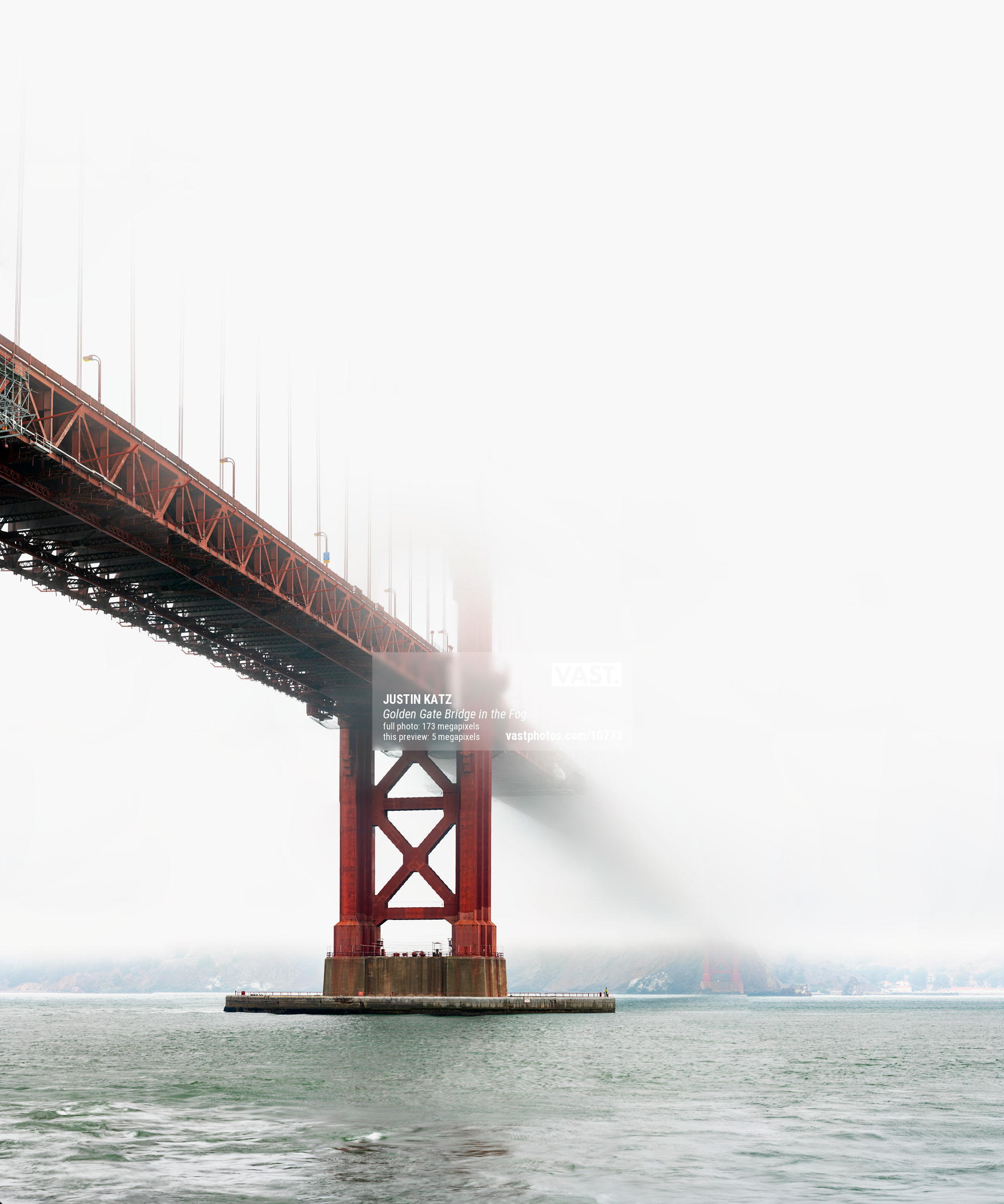
I was told by someone not particularly authoritative that flying under bridges is often allowed if fog is obscuring the top of the bridge. Like this:
A plane flew through the Arc de Triomphe in 1919. His wing clearance was tighter.
Pre-cell phone, and I couldn’t see the N-number (it was right below me).
Then that is how they got away with it.
I guess they took advantage of the timing of me being the only person on or near the bridge, or who had a view of the bridge. I guess if they’re that clever, they can get away with it.
Well, it’s not like the bridge authority is going to shoot it down with missiles or machine gun fire. Perhaps he got in trouble when he landed?
That’s possible. If he had a transponder, then the local Air Traffic Control would have seen it.
About 40 years ago, I attended a day-long symposium at which various people gave off-beat talks on aviation topics. One of them was an air traffic controller whose side-hobby was researching and theorizing about what really happened to Amelia Earhart. And one speaker was Richard Bach, stunt pilot and author of Jonathan Livingston Seagull. He told of an incident where, on a sudden impulse, he flew his biplane through a breaking-wave pipeline.
What, was he trying to advance to the next level plane of existance?
Don’t forget the fellow who flew his jet under the span of the Tower Bridge in London.
Known as the Hawker Hunter Tower Bridge Incident.
IANA pilot, but this doesn’t look like an especially challenging piece of flying. I imagine, though, that the knowledge he was only a few feet above the ground, with no margin for error whatsoever, had the pilot in full buttcheek-clench mode.
And if anything went wrong, the pilot could just… land?