This is the essential point being missed by the o.p. and more generally in this discussion. What caused the financial collapse in 2007/2008 wasn’t just the mortgage bond market itself or even collecting the subprime mortgages in collateralized debt obligations (CDOs) to mask the poor quality of bonds issued against them (aided by ratings companies that did not investigate or correctly rate the bonds) but all the leverage that was placed on the mortgage bond market, which amplified the ‘real’ money invested in mortgages by ‘insuring’ those mortgages with complex derivative instruments compounding CDOs and creating “synthetic” CDOs from credit default swaps, which essentially creates ‘money’ out of speculation. The film actually does a pretty good job of explaining the issue in brief:
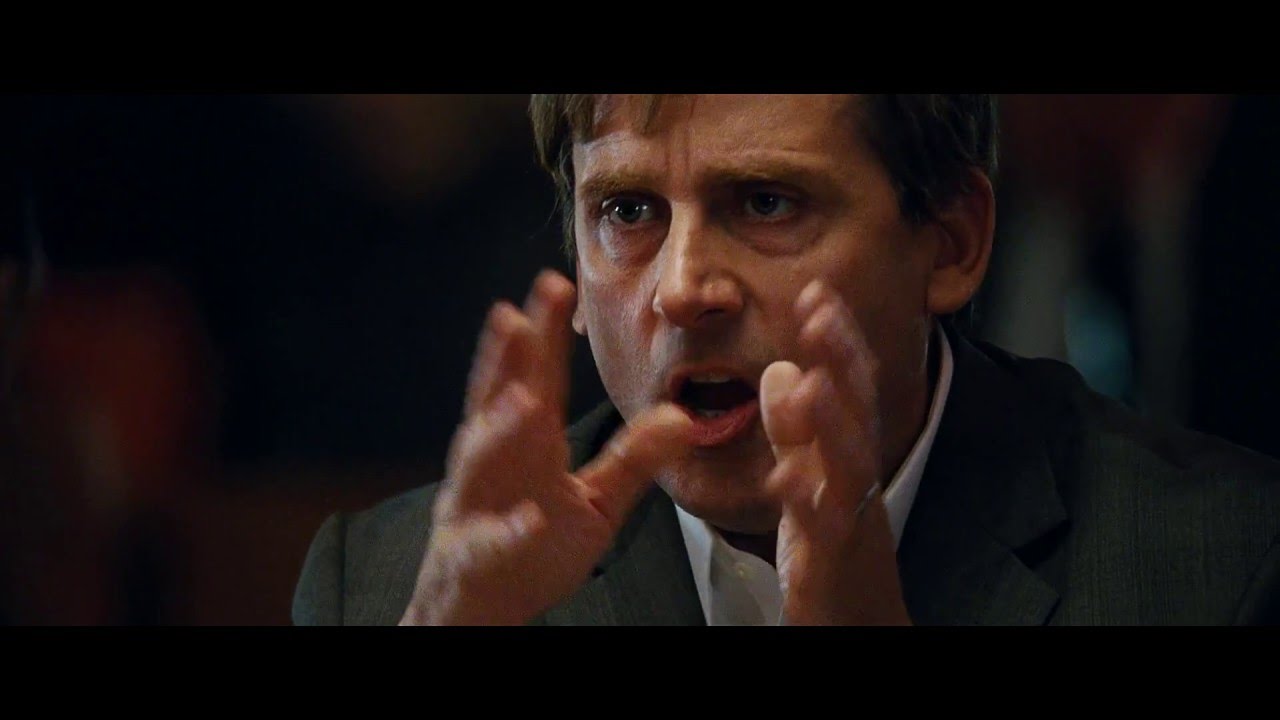
The failure would have occurred at some point whether borrowers defaulted on their mortgages or not, because there was more money betting both ways than actually existed in the realized value of the mortgages themselves. The lack of regulation inhibiting such completely unsustainable speculation-fueled investment is a major problem with the repeal of Glass-Steagall acts and associated financial sector regulation, and is why even when people are telling you how great the ‘economy’ is (based primarily on market performance) you should look them straight in the eye and say what Jack Burton always says at a time like this: “I’m a reasonable guy. But, I’ve just experienced some very unreasonable things.”
There is no such market for auto loans, and because they are of such short duration (typically no more than 60 months) there is no real way to drag all of this out for decades, so while a massive default on car loans would be bad for carmakers, loan institutions, and the economy as a whole, it wouldn’t have the same dramatic impact upon large financial institutions like investment banks and the companies insuring them. There is, however, such a market on the ~US$1.6T of private student loan debt, which is part of the reason there is such objection to the federal government granting ‘forgiveness’ on that debt (i.e. purchasing it and paying it off directly), and given that a significant portion of that debt is going to die with the borrowers, it’s a real hidden tsunami waiting out there.
Except nobody is likely to give you a huge short position on automotive manufacturer stocks because it is pretty evident that they are struggling, and credit ratings agencies aren’t inclined to cover for automakers the way they do for investment banks because they aren’t financially tied at the hip to them.
I’d link more explanatory clips from the film but frankly it does a great job of explaining all of this in an engaging fashion, and to the extent it uses composite characters and rounds some of the edges on the story to make a flowing narrative, it both acknowledges this and still explains the essentials behind the market failure. It is well worth your two hours of time and even a repeat viewing to understand not only what happened but why it caught people ‘by surprise’ even though all of the indications were out there for everyone to see (and in fact a lot of people did see and profit off of it). Without financial regulation it will happen again, or even worse we’ll have enough debt leveraged against stock market overvaluation of companies that there won’t be a way to recover by just bailing out investment banks and insurers because it will literally be the entire financial sector instead of just mortgage lenders.
Stranger