visiting NW New York State-Ithaca area

Seneca Falls: Set slightly off the lake on the old Seneca-Cayuga Canal, Seneca Falls is primarily known for being a birthplace of the Women’s Rights Movement in America. The Elizabeth Cady Stanton House. is part of the Women’s Rights National Historical Monument, which is part of the National Parks Service.

The actual northern end of Lake Cayuga is taken up by the Montezuma National Wildlife Refuge, a major wetlands for migratory birds and other wildlife. Trails, observation towers, and a visitor/education center. The Monetzuma Audubon Center is also nearby.

I’ve spent a fair amount of time up there and can pretty much agree with all the other posters - it’s lovely, the roads are tight, traffic can be a problem, there’s a ton X 10 of things to do.

I’m a bit of a bore and so I like industrial/economic history, so one weekend I had a fun time driving Route 6 in Northern PA, turning onto 62, and visiting Titusville, Oil City, Franklin, Pithole, and other locations where the modern oil industry was born.

I know the original closed long ago but I heard that there is now a Krebs v2.0 restaurant in Skaneateles.

Any idea how it compares to the exceptional original?

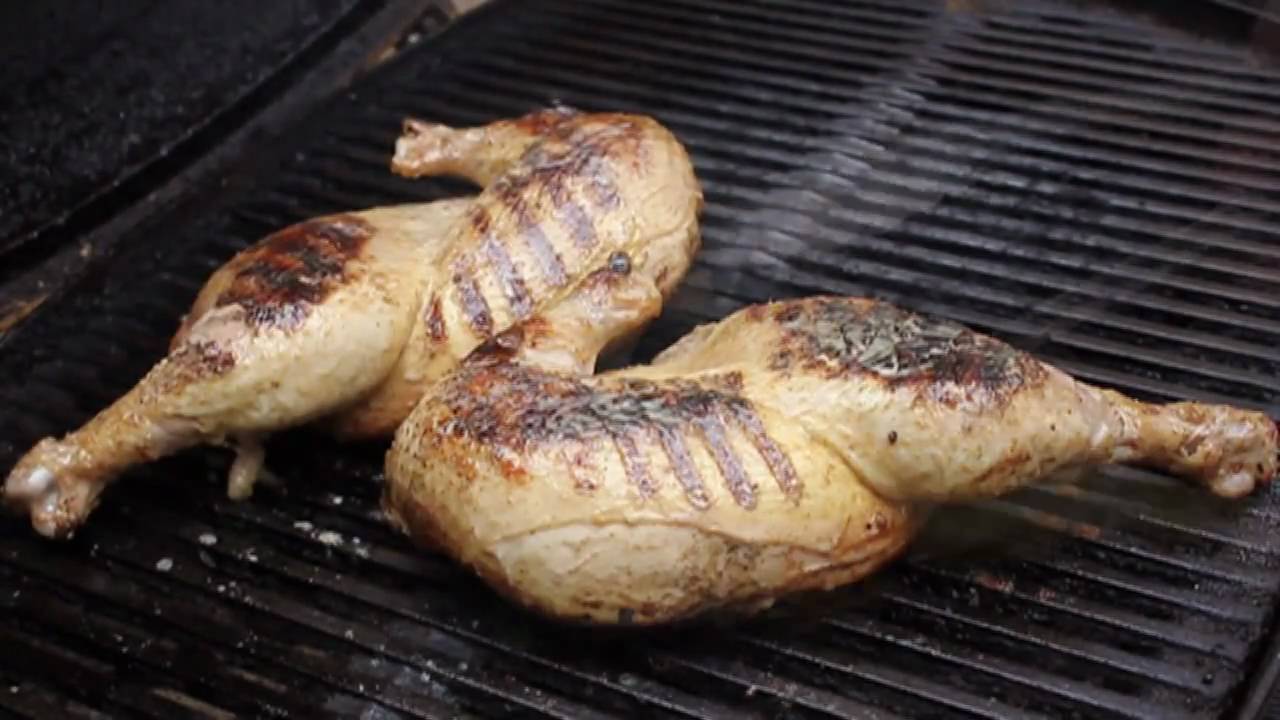
It’s also known as State Fair chicken.

Never been. The new owners renovated/rsetored the place, but are not using the original’s menu/recipes. Haven’t been to Skaneateles in a while, but I pretty much stuck to the good low-end eateries like Doug’s Fish Fry and Joe’s Pasta Garage.

Geneva: A handsome college town on the north shore of Lake Seneca, Geneva is a college town (the adjoining campuses of Hobart and William Smith Colleges), and thus has more varied food options than a town of this size in upstate NY would have. Geneva also has a very nice lakefront park. Belhurst Castle is a swanky resort/hotel that’s out of most traveller’s price range, but they have a winery and brewery on premises, and those, the restaurants, and the grounds are open to the public.

Nearby are the Warerloo Outlets shopping center and the Del Lago, a relatively new casino/hotel.

Hammondsport: A small village on the south shore of Keuka Lake. A few restaurants, bed & breakfasts, and a very nice old-fashioned ice cream parlor. Hammondsport is a good base for visiting the Keuka Lake wineries, including the highly-regarded Dr. Konstantin Frank Winery. Just outside of town are the Glenn Curtiss Aviation Museum and the Finger Lakes Boating Museum.

Penn Yann: A handsome town on the north fork of Keuka Lake, with nice downtown shops. The Keuka Lake Outlet Trail is a 7 mile hiking trail along the waterway that outlets at Dresden on Seneca Lake.

Between Penn Yan and Dundee on the road to Watkins Glen is the Windmill Market, a large indoor/outdoor farmer’s market, craft fair, and flea market. Only open on Saturdays. Quite a few Mennonite vendors here, including a really good bakery. A few miles closer to Penn Yann is Oak Hill Bulk Foods, a large Mennonite-run bulk foods grocery store with a deli, bakery, and cafe.

Penn Yan with that number of N’s, please.

The Windmill market has large quantities of all sorts of things from everywhere. There are some actual local producers there, but you have to ask; otherwise you may be buying produce and other goods shipped in from far outside the area. There are local-only, producer only, markets in downtown Penn Yan on Saturday mornings and in Watkins on Friday afternoons and in a number of other villages and cities including Geneva and Ithaca on various days of the week; most much smaller than the Windmill (Ithaca’s an exception, that’s quite a large market) but with only local items and vendors.

That doesn’t matter to everybody, of course. But a lot of people seem to assume that if Mennonites or Amish are running the stand, then the items on it must be local, and some even assume that any such produce must be organic. Neither of those is necessarily true, though they might be. Ask the vendor if it matters to you.

I spelled Penn Yan right the second time! :slight_smile:

Windmill might not be the best or most local authentic farmer’s market in the Finger Lakes, but people go there for all the other stuff, too. Also, I don’t care if they are crafty Mennonites who shipped their baked goods in from Indiana, I’m still there buying pastry and pie from Stoltzfus Pastries.

Watkins Glen:A heavily-touristed village on the south shore of Seneca Lake. Watkins Glen is pretty heavily trafficked for such as small village, as the two-lane roads to Corning, Elmira, Ithaca, Geneva. and Penn Yan all run through the main downtown intersection and one traffic light. It can get especially crowded on event weekends, such as WineFest (July 12-14) or a race at Watkins Glen International speedway.

The big attractions are the non-oval racetrack, where you can ride in a racecar for a few laps if there is not a race, and Watkins Glen State Park, with its gorges, falls, and chasms and many many stairs.

Unfortunately, the town’s lakefront is dominated by a Cargill Salt factory of all things.

There are ton of wineries going up the shores of Lake Seneca, especially the west shore, but Castle Grisch is a winery off the beaten path up the hill overlooking the town.

Just south of Watkins Glen is the village of Montour Falls, which has its falls right in town.

I’ll save Ithaca for last, but first I’ll mention some of the smaller villages scattered between the lakes. Few of them are worth seeking out, but they might be of interest if you’re passing through. Many of them have at least a memorable festival, so check your calendar.

Moravia: South of Lake Owasco, Moravia is home to Fillmore Glen State Park, a long, narrow gorge with multiple waterfalls. It also contains the cabin birthplace of Millard Fillmore.

Dundee: On the road between Watkins Glen and Pen Yann. Dundee has the Scottish Highland Games and is home to Outlaw Speedway, with dirt-track stock car racing.

Trumansburg: Northwest of Ithaca. A nice selection stores and restaurants, and the massive Roots Festival.

Aurora is a very picturesque small village on the east shore of Cayuga Lake, about halfway up the lake from Ithaca. The main street runs right along the lake and the cross streets are on steep slopes coming down to the lake. It’s a small college town (Wells College), with an art gallery, antique stores, good restaurants, and some nicely-restored inns and B&Bs.

Just outside the village is the production studio of MacKenzie-Childs, makers of ceramic ware, home furnishings, and interior design goods. It’s in a lovely setting and you can visit the display room/store and take a tour.

South of town is Long Point State Park. Despite all the lakes in the Finger Lakes, there is not necessarily a lot of lake access. Long Point is one of the better public beaches. Two isolated wineries nearby.

Finally, we get to Ithaca, the largest (but not that large with about 30,000 people) city in the Finger Lakes region and has the most options for sightseeing/tourism. Ithaca is the one town in the Finger Lakes that takes more than a day to explore.

A two-college town, with Cornell overlooking the city from atop East Hill and Ithaca College overlooking the city from South Hill, Ithaca is probably the one place in the Finger Lakes that is LESS crowded in the summer. Downtown parking is certainly easier in the summer.

Downtown Ithaca is below the colleges and runs down to the lake. Ithaca has everything you would expect a major college town to have as far as restaurants, shops (especially used bookstores), music venues, theater, and so on. It also has the only arthouse cinema for a long way around.

Ithaca is Gorges is the official tourism motto, and very apt. Ther area is full of scenic waterfalls and gorges. The three big falls are the the State Parks: Buttermilk Falls State Park, Robert Treman State Park, and Taughhannock Falls State Park. Lots of hiking and stair climibing, but amazing scenery. Also, bring your swim trunks because all three parks have swimming areas near the base of the falls. There a several other falls and gorges around town, such as Ithaca Falls, Cascadilla Gorge, Triphammer Falls, and Wells Falls/Six-Mile Creek. There are a couple of nice lakefront parks as well, but I don’t think there’s swimming there.

Ithaca has a breadth of restaurants that can put larger cities to shame, and is certainly better than anyone towns I mentioned above. Everything from Ethiopian to Tibetan is available. As mentioned above, Purity Ice Cream is worth the stop, as is Ithaca Bakery. My go-to restaurants when passing through are the Moosewood Restaurant, a vegetable-forward farm-to-table influential (14 cookbooks since opening in ’74) restaurant, and Maxie’s Supper Club and Oyster Bar, a seafood/New Orleans place. Of course, I haven’t eaten in a fraction of the restaurants there.

Getting out of town will take you to a lot a wineries, but Six Mile Creek is the only winery (and distillery) in Ithaca. Like everywhere else, the Finger Lakes have a ton of craft breweries, but Ithaca Beer Co. has been around longer than most of them and has a large operation with a taproom/kitchen and beer garden.
There are several kid-centric attractions in town, primarily the Sciencenter and the Cayuga Nature Center with it’s six-floor treehouse.

The Ithaca Farmer’s Market is Thursday (evening) and Saturdays and is expansive with covered walkways, but the parking is an issue. You can actually come in on one of the lake tour boats, though, as it’s on the lake and there is a dock. It’s more than a produce market, as there are a lot of food stalls and crafters.

On the way out of town are the Museum of the Earth (towards Trumansburg) and the Cornell Lab of Ornithology (towards Dresden). The former is run by the Paleontological Research Intistution and focuses on fossils and geography. The latter has an exhibit/education/visitor center and ,miles of trails for hiking and birdwatching.

The Cornell Botanic Gardens and the attached Cornell Plantations are large and partially set along Cascadilla Gorge. The guided tour of the Gardens is worth timing your visit for. The Johnson Museum of art is also at Cornell, but I’ve never been. There is supposedly a collection of brains in jars on display in one of the halls.

Well, I think I’ve said everything I can think of to say about the Finger Lakes. hope this helped.

I forgot the Robert Ingersoll Birthplace and Museum in Dresden.

The decline of the bookselling business has hit Ithaca like everywhere else. I used to live in the area back in the nineties and I remember when Ithaca had over a dozen bookstores. But that has dropped down to just three: a Barnes and Noble, Buffalo Street Books (the former Bookery) and Autumn Leaves (the only used book store left in the city).

(Nitpick) The Lab of Ornithology is towards Dryden.

There’s a new museum in town, The History Center and Tompkins Center for History and Culture just opened on the Commons downtown. They have one of the last remaining Tommy planes on display, as well as a lot of neat history of the area.

??? The Bookery is a used bookstore and is still there and is district from Buffalo Street books> They are both in the DeWitt Mall, though.

Someone told me there is another bookstore in Ithaca, but it is not downtown, specializes in art books and exhibition catalogs, and is more of a mail-order place than a storefront.

Dryden has the awesome Book Barn of the Finger Lakes and Trumansburg has a used bookstore, too.

Don’t know why I confused them. The Ornithology Lab is on the way to the Book Barn in Dryden.

Is the new museum any different or better from the local history museum that practically every town and county in Central New York has?

Thanks for all the inputs. Our trip is coming up and I look forward to visiting the area!