Here’s a video of Lock Picking Lawyer picking a Medeco lock in less than 2 minutes. There are more videos on his channel of him picking other Medeco models. Of course, he is a highly skilled picker.
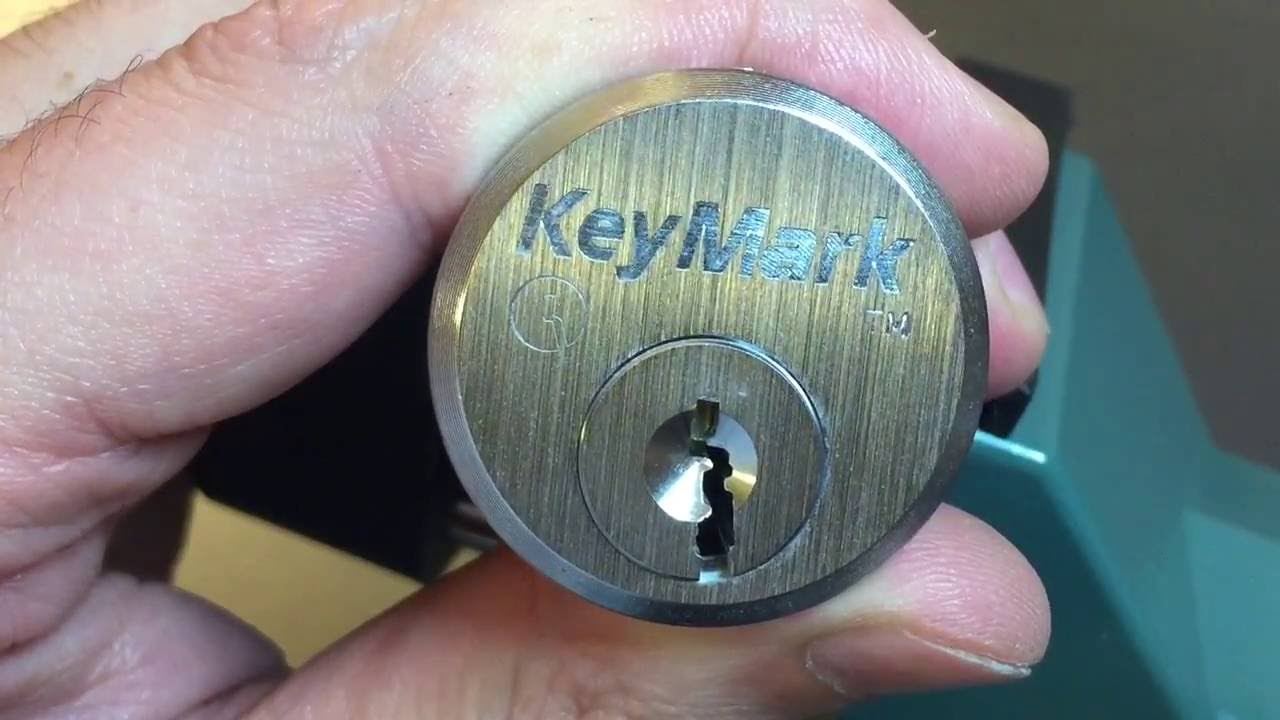
Here’s a video of Lock Picking Lawyer picking a Medeco lock in less than 2 minutes. There are more videos on his channel of him picking other Medeco models. Of course, he is a highly skilled picker.
Doors & locks were owner property, not building property. The building was old enough that most of the originals had been replaced years ago; the salty ocean air is real hard on outside hardware
We in fact had a key safe where owners were encouraged to leave a key that we could use for emergency access in their absence. And that yes, we’d loan out to you the first couple times you locked yourself out if one of our staffers was on-duty at that time. We couldn’t require they offer us a key.
About half the owners thought that was a great idea and the other half were aghast anyone would ever have access under any circumstances to their apartment without them being there.
People be different. Some want to live in a communal situation with a totally non-communal personality. Sigh.
It is not quite on topic but I have a strange locksmith story: at a previous job many years ago we had a client who was a locksmith. He discovered that someone had spoofed his phone number so when someone would call his business the call would be routed to the thief. The thief would visit the client and do whatever locks they wanted (he apparently was also a locksmith) but make copies of all the keys and later come back and rob the house with the keys he made.
If it is an expensive lock, it might make sense only to pay for new keys rather than for an entirely new lock. I admit I am not sure how realistic that is if labor costs a fortune (an hour’s work, apparently, or at least that is what your bill will say). There are locks that cost $1000 (I only know one person who has something like that on their door, though— then again they are not quite trivial to pick, let us say, so this might be moot).
By the way, a couple of years ago I was in a real locksmith shop for something so I took the opportunity to ask them a question I wondered about. I pointed to the wall of dozens of varieties of key blanks and asked how is it that there’s a kiosk in the supermarket that can also copy keys. They explained that something like 80% of house keys use the same blanks, so that’s what the kiosks are capable of duplicating immediately, while others need to done elsewhere. (I had imagined that the kiosks were just shaping metal to make keys without using key blanks.)
My story is, I needed a key duplicated, but the guy at the first hardware store I walked into failed, twice, to produce a working duplicate. A different place had someone who knew what they were doing and recognized the brand and got the right blank and made the right cut on the first try.
Sure, they’re capable of grinding a blank key to mm accuracy at 5 or 6 locations along a length based on a 3d scan of its 2d profile. Using a small number of semi-standardized house keys. The article uses AI-terms for what a Home Depot employee did manually a couple years ago, I’ve used the auto kiosks (not sure about this brand) and they’ve given me a key that turns my front door 100% of the time. The locksmith is there for the non-standard types of locks or situations. Also I’d bet that when you lose your car key which has an electronic fob in there, and especially when you have no current one to copy codes from, the dealer wants $300+ for a tiny thing but they’ll do it for <$100. Or even there’s specialists like that company that parks vans in Costco parking lots and copies your existing key for $75 or whatever.
I’m not sure that provides any extra security. I have three keys bearing that stamp, and I’ve had a local locksmith copy each of them at least once, and two of them multiple times. I am not the original bearer of the keys, I don’t own the place where the locks are, and while I’m authorized to open the locks, I should not have the authority to have the keys duplicated. I’m curious why the locksmith copies them for me, but I don’t want to ask.
Because that stamp is meaningless. Every locksmith owns that stamp, and can use it on any key they want, and knows that every other locksmith owns one, too. It’s more a request than a demand with legal force.
So the stamp is just to keep honest people from making copies, but there are no rules, laws, or industry regulations to prevent duplicates? The first time I went to have one copied, I was very nervous but played it casual. In the 4-5 times since, I didn’t give it a second thought.
Essentially.
Things like restricted keyways and blanks are really the major control on keys, because only authorized dealers will have access to them.
Otherwise, who’s to say you’re not authorized?
I expected to have to produce something O-fficial, like a purchase order from the agency that owns the building/locks, or even just a business card that might imply some measure of authority. I guess just not looking hinky was enough.
Locksets can be bought retail at any hardware store. They can’t possibly keep track of every single unique bitting they send out. Have you ever registered your door locks? How would they know?
Also, industry secret: every bitting isn’t unique. Somewhere out there, hundreds of other people could have your exact key.
This happened to me once. About 25 years ago, we had the keys to an industrial space where we would practice as a band. One day I open the door and think—wait—that’s not right. Did I pull out the wrong keys? Sure enough, I had pulled out my apartment keys by accident. I tried both keys and they both unlocked the door. Another key that fit did not. I know the odds are astromical. They were five pin tumblers, but I think I compared the bitting and it looked the same.
In the 90s I had a generic rental car, white Ford Taurus or something. This was before key fobs. I parked in a mostly empty retail parking and opened up a white Ford Taurus rental and something didn’t feel quite right. It was the wrong car with the same key.
Hehe, yeah. I once left work and got into a green Escort GT with my key. When I sat down, I looked around the car and realized, “This isn’t my crap!”. I got out, locked it and spotted my green Escort GT about five spots away on the other side of the parking lane.
While the common Schlage SC1 has 100,000 possible pin combination (10 pin sizes ^ 5 pins) there are design rules which prohibit certain combinations, limiting the total number of key patterns to 72,000 (another source mentions that further eliminating “unsecure” combinations drops the total number to 19,000). So yes, there are many, many locks out there that share the same key pattern.
Add in the fact that as locks wear the pins can get rounded so a particular pin may accept more than one cut depth further increases the chance that you key may unlock a different lock.
Medeco is a bit of a special case of “Do not duplicate”. We had those on the doors to non-public spaces and I got schooled a bit.
Medeco makes the locks, keys, and the special machines able to duplicate them. All that is protected by copyright, etc., and they’re aggressive about suing anyone who’d make copycat blanks or cutting machines.
To be a Medeco dealer you have to sign on to their security protocols. The keys come "from the factory with “do not duplicate” in raised letters. When a dealer makes a key or sells a lock, they stamp their own dealer name on it too “Bob’s Lock & Key”. A dealer may only duplicate keys with their own stamp on them. On pain of losing their Medeco dealer’s authority. There’s more but that’s the big idea.
Since the advent of 3D printing, there’s a big security hole there. But before that, it really was about as secure an ecosystem as you could have that’s also distributed all over the country.
As a separate matter I did once watch them drill out a Medeco door lock. One resident was a security-o-phobe and had those on his reinforced front door. It was a solid half hour of drilling and that thing fought that guy hard. He eventually got in, but it was a totally different experience than watching them drill a Kwikset, Schlage, or Home Depot brand lock.
For very round numbers, Drilling a $20 lock takes $20 of labor. Drilling a $200 lock takes $200 of labor.
What happens when a Medeco dealer goes out of business? How can their customers get keys duplicated? Or do they expect another dealer to take over the business?
I don’t know the details. I was a (regular) customer, not a dealer. But clearly there is a process for that eventuality.