How do you guys keep from falling off the bottom of the Earth?
Getting back to my earlier question:
How would one go about working/volunteering down there?
Just saw this great documentary - worth a look for anyone interested in Antarctica. Mostly filmed at McMurdo and nearby, with plenty of jaw-droppingly beautiful outdoor footage (incl. some very cool time-lapse photography), and also funny, engaging interviews with the people who live and work there:
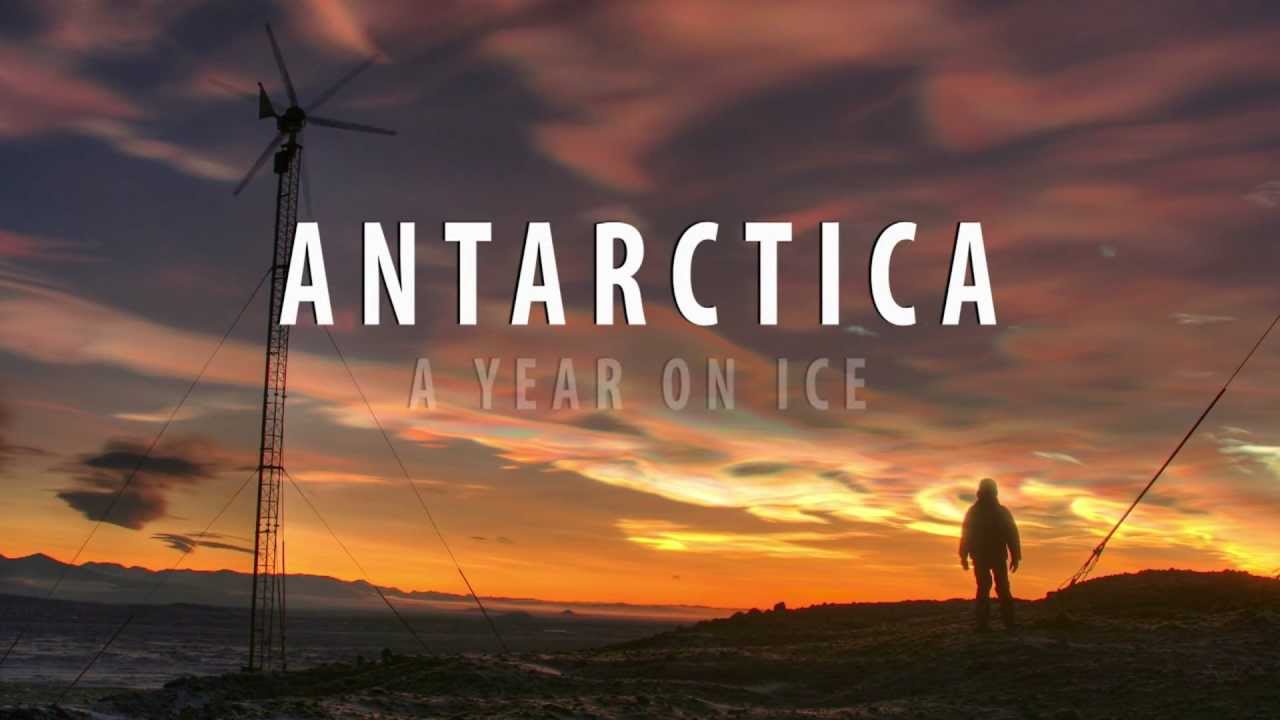
Biggest regret: The movie never takes us to the South Pole itself.
that looks really good.
Hey I am back on The Ice. This will be my second season and second winter both at Palmer Station. I will do my best to catch up this thread, add more relevant information and update some past questions as I am now much more familiar with the program. Plus we have a few legends down here that have been coming down to Antarctica for nearly or more than thirty years. They area fantastic source for some specific questions that I may not know.
The legal situation down here is very grey. I will do my best to give you a clearer picture.
As for family law that is really a state thing. Sure you can get betrothed and have a ceremony but marriage and divorce and most family law is a state thing. So even though we are under some sort of federal law codes State Courts are the ones to handle that type of thing.
There seems to a limited amount of actual prosecution for crimes committed down here on the ice. Well, first there are not to many. And I think it is not worth the hassle and potential spotlight to prosecute folks for minor things. The potential for the press to turn things around and blow stuff out of proportion and make Antarctic science and research look like a crazy alcohol fueled party camp probably would not help funding much. they just send them home at the nearest available chance.
That being said there have been some serious crimes down here. A doctor poisoned a cook, People have been seriously been up, vandalism and other types of emotional anger driven crimes. Some have been successfully prosecuted back in the states.
If you are an American the ACA (Antarctic Conservation Act) applies to you. Regardless of were you are at in Antarctica or how you got there. I am not currently aware of any successful prosecutions but I have no reason to believe that the laws would not hold up in a federal court. The ACA is the set of US laws governing Antarctica and its wildlife. It is our laws set into place from the Antarctic Treaty. The treaty covers everything everywhere on the continent. But I am not sure how or who would prosecute if you are not from a treaty signing country.
Unfortunately I was not about to attend. It was on a non US station.
Palmer station got all back to business with only a few hiccups. McMurdo and its field cams had a really hard go. Some science was lost and some halfway started up again. Everything seems to be back on track now.
Ground penetrating radar I believe has mapped much of the surface below the ice.
As far as their finds I can not offer up much detail more than the knowledge that microbial life has been discovered.
The ACA prohibits molestation in any way any animal without a permit. And there must a be good reason. That being said fishing with a rod and real is under some of the biologists permits. But they get all the samples they need from the boats and ships with commercial fishing type gear. I may try to drop a line in this winter if I can. They jokingly call it Single Line Sampling.
Depends on the person. On average it is just on the edge. Some wear tshirts some were sweaters and or light jackets indoors or even a heavy jacket at times when the heaters are not working properly.
See the above answer on fishing. I have eaten several varieties of Ice Fish. It is quasi legal. The PI gave them to me. I think it is a form of legal disposal of unneeded science fish.
I am not sure how to screen for SAD. But yes some are affected. It seems less of a problem here than back home in Alaska. As we work so much here that it really helps counter it. Most people I know back in Alaska get it because they are not working much during the winter off season. Exercize helps a bunch as well. and there are lots of social activities. So yes people are affected by it but we have many counters.
Coffee and beer are both very popular.
I am not sure we do.
I posted another thread. I got a job in Antarctica or something similar. It details many of the hoops I went through. But the short answer is go to the USAPs web site and look up the contractors. then proceed as a normal job hunt with each of the individual contractors you may be interested in. You will really want to go. The paperwork faxing and documentations and Physically qualifying process it significant. And then all the other logistics of the orientations and hotels and flights and boats to get here is another hoop. Reimbursements per diems and passports and such. I always say even though very few people ever make it down here and many more people apply than there is jobs the people that really want to come down and are reasonably healthy and can pass a background check eventually do.
I answered this last year but will again.
-
It is amazing in indescribable ways. Full of bizarre interesting smart people.
-
Now it my second time. I will be here for 6 months of Antarctic winter again. I am currently on a six month on six month off schedule and love it.
3 I was surprised by the complexity and logistics and detail to every little thing. There are manuals procedures and traditions and such everywhere for everything. It is a small but very complex station.
- Away from my kids.
For some this station is a little small and never really being about to get away from folks is super tough on them for others and myself it is no problem - Meeting friends for life that can understand your stories and life on the ice and the persistent draw. I have been told that Antartica is a tough drug to quit and it sure seems so.
There seem to be many stories. But here in Palmer it is rare to non existent and it is much warmer here than McMurdo and Pole.
Not in the slightest.
My contracts are for 6 or so months. this is my second year. I think I would like to do at least five more but If I go that long I probally will be here much longer than that.
Yes there is a person on station that have been coming since the 70s and several from the 80s The guy from the 70s has the most ice time of anyone ever.
Pairing happens. Less than I thought there would be though. I think in the larger stations it is more frequent but with a population max of 44 and 30 or less for much of the winter people seem to go for alone time more than couple time. At least that is my current working theory.
Personal needs depends of how quiet you can be I guess. There are showers with limited privacy meaning no private bathrooms. and there is a good chance you will have a roommate in a bunk bead in a small room. You can take it from there.
Science is different than support. There are some volunteers in the science departments. All the science workers are referred to as grantees and some are unpaid and some are paid handsomely. I actually have no idea how to get down here as a grantee. Luck and or writing your own grant seem to be the best way. Or working for a research department that regularly comes down here.
The rest is support and falls under the ASC Antartic Support Contract currently held by Lockheed Martin who has about 6 subcontractors. This is the easiest way to get in the ice. All of these positions are paid. There are no volunteers.
All of our water is pumped sea water and processed through a reverse osmosis system.
Our toilets and urinals are direct untrested sea water.
I have not seem the film yet. but many people I run with down here know the makers of the film and people in it and seem to think it is a good. I will watch it this winter.
has curling ever been tried as a sport?
There are very few thing that have not been down here. I do not know of a specific curling event but I would bet my last dollar that is have been done.
Thanks, fifty-six, for coming back to the thread - good luck down there!
Thinking about labeling and such, especially outside, do glues and tape work the same there or are special kinds used? Are there some other things that are substituted or specially processed that we take for granted in warm temperatures?
Lets say some apocalypse happened and suddenly your station was cut off from support from the mainland. But not the rest of the Antarctic stations.
How long would you all be able to survive without outside support?
I assume all your heat and electricity comes from oil or propane?
hmm…
Lets see here. The other stations are far away. And the other two US stations are very far away. I am not even sure if anyone have ever made the trek from here to the other stations over land of if it is possible.
We could possibly make it to several of the foreign station on the peninsula. I highly doubt they are in better shape than we are. I will ask about though and make sure. It would be more likely tem coming to us for help. I imagine a few calls to the other stations via ham radio or other still working equipment would find out and we could trade resources or help each other or join teams if need be. We only have Zodiaks and I am not sure what boats the other nearby stations have but I doubt anything with a much longer range. The others may possibly have a steel hull inflatable. That may bring another station or two within range. But far from mainland.
We have plenty of food. of course some if under refrigeration or freezers. There are ways to store it here and if we dug holes in the ground or stored it under the 28f sea water we should be able to eliminate spoilage. We would need to drastically cut down on our oil use as that is the only thing that supplies our electricity. We currently live in two buildings. we would probably all move into just one and shut the other down. Shut down all science. and rec rooms. We also have an emergency food cache, dehydrated long shelf life emergency food with Colman stoves and dishes separate from the main buildings for mass disaster scenarios. We have a bunch of wood if cooking fuel runs out. The glacier provides fresh water if we melt it. there are plenty of seals and penguins and fish and seaweeds.
I think we could survive forever.
But if you just wanna know how long we could survive with our current supplies. I would guess at least 2 years with some degree of comfort. we would need to make adjustments but two years easily. A year without making any changes. Five plus with significant change. Not including foreign stations as I have no real way of knowing their supplies but I will look into it.
Are you a member of the 300 club?
The documentary I mentioned in post 103 shows several guys plunging into icy water just in their bathing suits. It looked… quite brisk.
How do you deal with the lack of sunlight?
Very interesting.
Now I have read that their is actually a “road” to the south pole station. Its actually just a path marked out and has some regular maintenance to deal with the fixtures and holes that open up and that Toyota for one, has a specialized truck just for going on that road.
So in the future their might be other such “roads” built on antarctica so as to negate the need to use air or water transportation.
I must confess I didn’t know this road had been created. Makes sense but its another strike against the wilderness, making the planet that little bit smaller. I’ve enjoyed various books about antarctic exploration so the thought that adventurers can now follow a road seems…sad.
Anyway here is an excellent blog and photos of the road to the Pole.
Yeah, sort of the same way the British Land Rover was the frist motor vechle into many of the worlds most remote areas. Here is a good link: Land Vehicles of Antarctica. It says the first production car there was actually a VW Beetle! LINK: http://jalopnik.com/5379341/the-land-vehicles-of-antarctica/