I spent much of my youth on a sheep ranch in Northern California. Packs of dogs that were mostly pets by day were a bane and “shoot on sight”. As the rancher put it: “Once they get a taste of blood, there’s no training them out of it.”
Domestic dogs and sheep have been a problem forever. My father lived in a rural part of southern England. A place where the wealthy would like to come for country holidays. They would bring their pet dogs. The dogs would kill sheep. Dog may never have seen a sheep before, but if let free it would chase, and if it could, kill a sheep.
Cats won’t kill sheep. Mine does however kill rabbits. How he gets them into the house through the cat door is something of a mystery. He used to eat them. I would come home to a pair of ears and a green wobbly bit left on the kitchen floor. Sometimes a partly eaten rabbit. (He starts at the top and works down.) Now he just leaves them for me to find. Sometimes one finds them by smell. 
If you are a sheep farmer presumably you have a lot of open land where your sheep graze.
Presumably you live among other sheep farmers who also have a lot of land where the sheep graze. You’d think the whole local community would be on the same page about sheep.
Where are these packs of domesticated dogs coming from that run amok among sheep herds and slaughtering them?
Is Fido running from London to the Welsh country side to kill sheep and then run back again in an evening?
EDIT: Not saying it never happens. Surely it does. But is this some scourge of house dogs running into the country and slaughtering sheep?
First hit:
I believe the story.
Again I ask…where are these dogs coming from? Presumably these sheep farms are in rural areas. It was suggested above farmers will shoot marauding dogs on sight. Yet there is a never-ending stream of them in these rural communities?
And are the dogs just running around murdering sheep one after another? Not eating them. Not having any fun chasing them. Just running one to the next and killing them? I’d think killing 50 sheep in one night for a dog is quite a task.
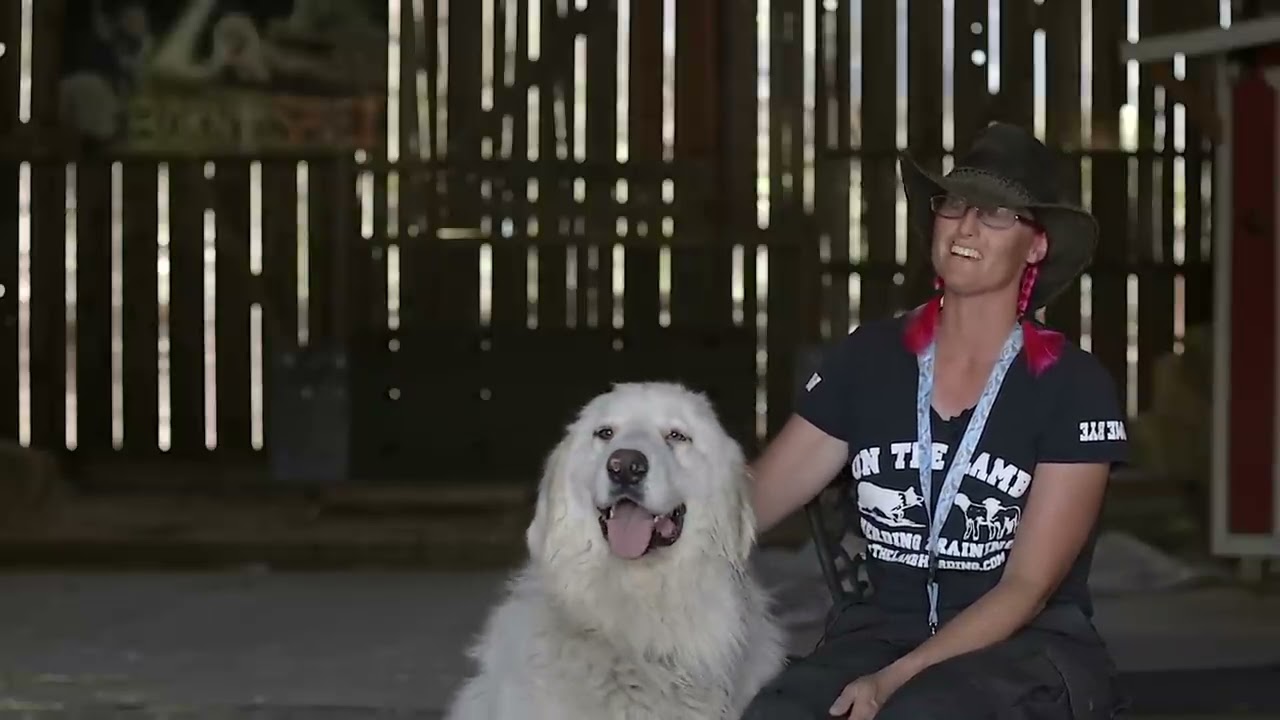
And why don’t the farmers have any security? I know sheep guard dogs exist and have been used for ages. Where are they in all this? If you have regular problems as a sheep farmer with dogs killing your sheep then getting a guard dog seems in order. (Or a guard donkey…a real thing and apparently quite happy and good at protecting against dogs.)
I guess this is a hijack and I should stop. Still curious though.
I get the feeling you haven’t been out in farming areas much.
As I noted above these dogs get brought in by tourists. People will rent a rural cottage for a week as a getaway holiday. They take nice walks, visit the historical sites, and they bring their dogs. Lovely for walks having your otherwise housebound critter with you. But people don’t use a leash and it doesn’t end well, nor do they keep the critters indoors at night. They wake in the morning with no idea what damage has been done overnight.
They get really really upset when a local farmer shoots it one night.
The idea that farms can in any way be secure is really not understanding the logistics. Sheep are not chickens. They are not herded into a coop overnight. They spread out over large areas that are fenced with just enough wire to stop them straying. Dog proof fences are a significant undertaking and just not viable.
Fluffy is covered in blood and wool but they don’t notice?
I thought that is why they use guard dogs/donkeys which roam with the sheep and protect them.
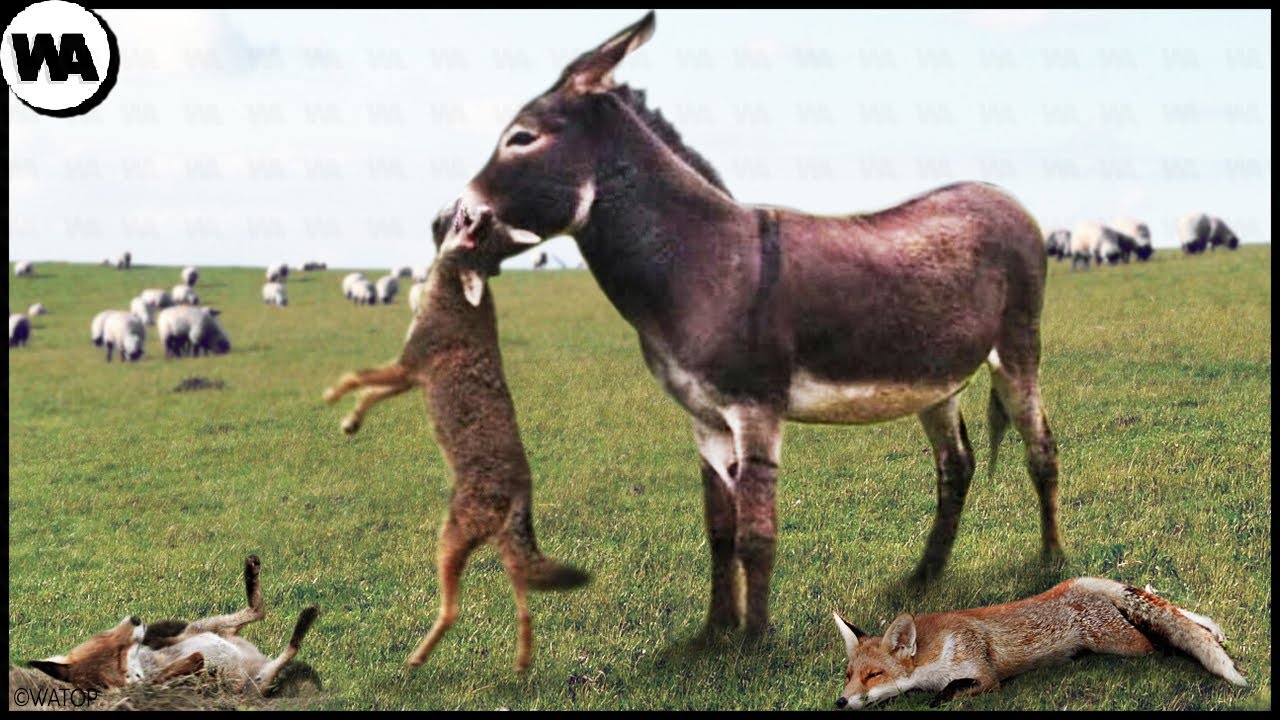
Nope. Animals just don’t end up like that hunting. Dogs won’t necessarily even eat anything. They will just kill the sheep, and think, that was fun, and look, there are more.
Is there some way to work in a David Bowie putting-out-the-fire-with-gasoline joke? No? Well, carry on then. I’ll see myself out.
I am a little dubious of this. Again, doubtless it happens but that said I have been around house dogs all my life and I am hard pressed to think of one that would see a sheep and run off to kill it.
Who are these vacationers who bring vicious dogs with them and let them run amok at night?
I have had German Shepherds most of my life. My last dog was a Shiloh Shepherd (basically a German Shepherd) who weighed around 100 pounds. I do not think she ever met a sheep but I would happily bet all I own that, if she had, she would not try to kill it. She’d probably run up and try to make friends. The sheep would probably freak and run but even then I doubt she’d run to kill it. Probably just be confused. Maybe try to herd it.
Anecdotal…sure. But of all the dogs I have known (many dozens…all house dogs) I cannot think of any that would try to kill a sheep (or anything). So, again, who are these people with killer dogs that vacation and let their dogs run amok at night?
Not every farm is a scene out of a Bugs Bunny cartoon. The vast majority are not. Especially at night there is no chance of protection. Even more so when it isn’t a lone wolf but a pack of dogs to worry about.
A guard dog may warn the farmer, so that he can sort the problem out with deadly force. But modern farms are not small. The idyllic idea of the smallholders with a few sheep is long gone. Even back in more simple times, the advent of tourists with dogs was a new and unwelcome innovation. A wolf might take one sheep for food. A dog will kill as many as it can before it gets tired. More like a fox in a chicken coop.
What?
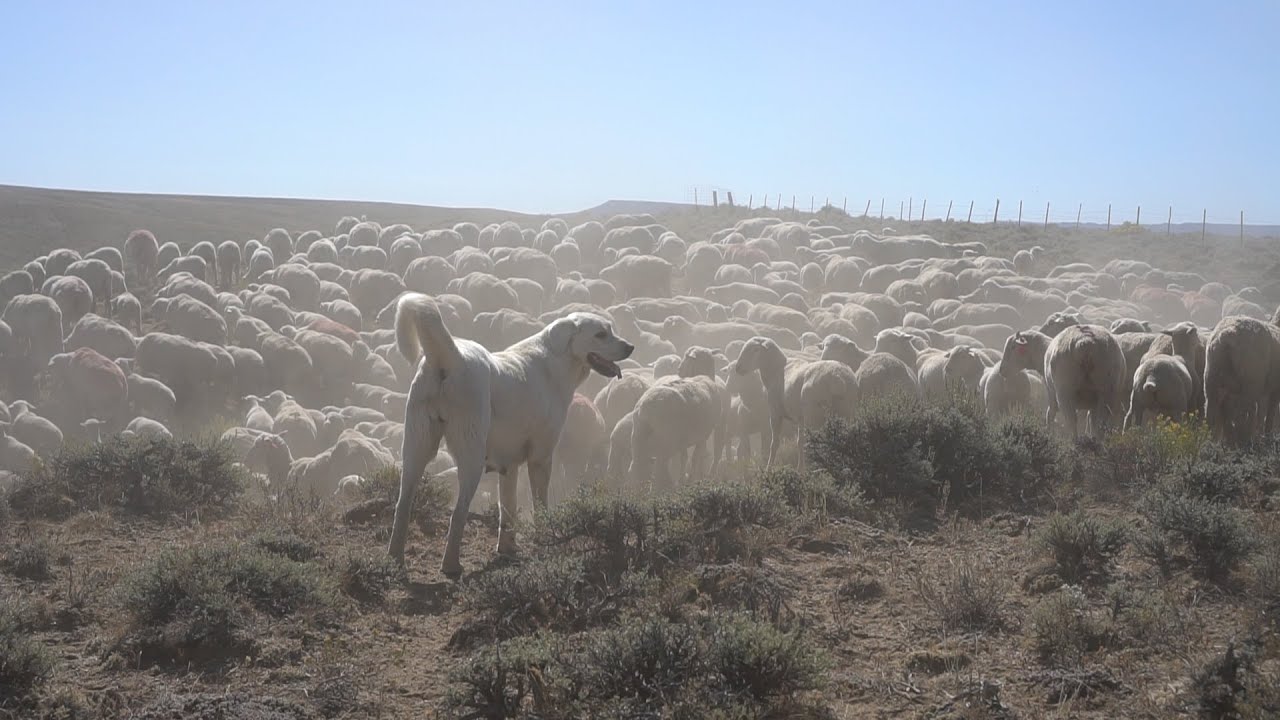
Watch the video I linked above. There is no “Bugs Bunny” about it. They really exist. They really do their job. They are good at their job as a flock guardian. And that is just one type of guard dog.
That dog is active at night. His job is flock guardian and he is good at it and gets provably good results to the sheep farmer. That’s why the farmer has them.
And now we have gone from people on vacation whose dog roams loose at night to a pack of dogs?
Where is the pack coming from?
Here’s another video that proves their use:
That’s possible. My cat could die overnight, too. I mean, I’m not taking the cat with me on an overnight business trip, and in my experience they do poorly in overnight care.
Not around here. We have a considerable mix made up of farmers, some of whom have sheep (or other livestock vulnerable to dogs) and some of whom don’t; and also of people who are employed in other lines of work entirely; and also of people who are retired; and also of tourists. All of these people are mixed together in the same area and often on adjacent land, and even more often on land close enough to adjacent that even a medium-sized dog can easily cover the distance in a few minutes.
So your presumptions are incorrect.
That’s exactly the attitude most people have whose dogs cause the trouble. ‘My dog would never do anything like that!’ It’s a dog. Killing sheep is an entirely normal thing for a dog to do.
The dog doesn’t have to be vicious. It can be perfectly trustworthy around its humans, and even around housecats if it’s used to living with them. It just has to not be trained about sheep, or chickens, or whatever livestock it’s killing.
How much land does it take to reasonably have a herd of sheep (say 100)?
You’re imagining vast, open ranches 20 miles from town. In Northern California, you have tourists who rent places for the summer, townspeople who live only a few miles away from the ranches in the hills, and scattered farmers, loggers, etc. throughout the hills the ranches occupy. You may lay out a perfect case against domestic dogs in favor of coyotes, wolves, or even feral dog packs, but your case would have to explain the collars and licenses on the dogs that are shot…
From your links, I think you may be imagining some bucolic European sheep farm. Instead, picture this…you drive into the ranch, up to the land where about 200 sheep are pastured. Here is what you see.
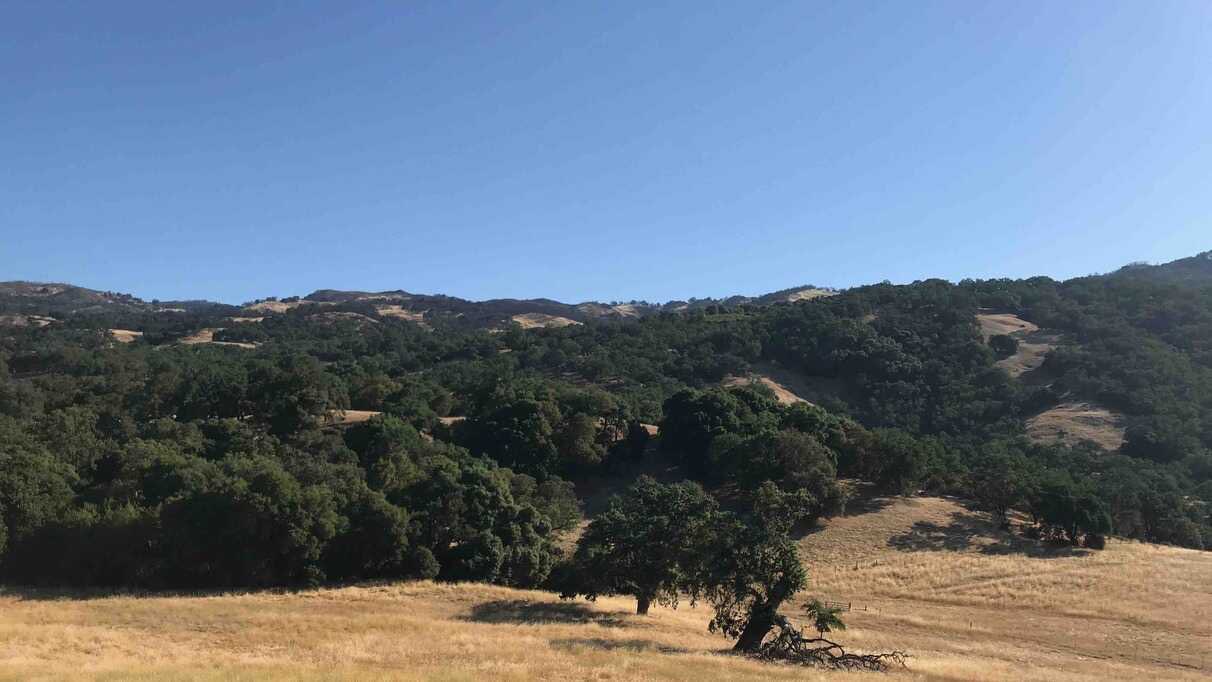
Where are the sheep? They are up in the trees, in small groups in valleys and depressions, perhaps around a spring or creek. How many guardians would we need to watch over these sheep?
Not that the ranchers don’t have sheep dogs. The rancher I stayed with had about half a dozen Australian shepherd mixes (emphasis on “mix”).
We would pull up to the scene above and the rancher lets the tailgate down, the dogs spring out and wait expectantly. “Way out” rings out with a wide circling gesture towards the trees. The dogs are off like a shot, the older dogs not even looking back, the younger dogs occasionally glancing back to see if they are going the right way, reassured by the wide gestures encouraging them. The dogs disappear into the trees. We open the gate on the nearby pen and wait. Several minutes pass. Then a trickle of sheep appears on the left, coming out of the trees. Then another group on the right. Then we see the dogs, harrying the sheep, pushing them in our direction, preventing the occasional break back towards the tree. The small groups merge into one group and the dogs work as a team keeping the mass moving towards the pen and then into the pen.
We close the gates when the last sheep is in the pen and “Way out!” rings out again. This continues until we have most of the sheep penned up. At which time the real work of the day begins and the dogs rest under the truck.
If the ranchers are going to train dogs for working with sheep, herding is what they are going to train them for. Smart as they are, there is a lot of training involved.
See the video below. The rancher/farmer says it takes 7-10 days to gather the sheep. This is not a bucolic, small range. This is remote, scrubby and vast wilderness.
And guess what…their dogs guard the flock the whole time. They are not 100% effective but they ARE effective and well worth having. These are not herding dogs. These are guard dogs. (And yes…it takes a particular kind of dog and they need a lot of training…a lot is the right dog but also needs its humans to get it all working well.)
Recommendations vary drastically both with location and with management techniques. Most of the recommendations for my area seem to run about 2 to 4 ewes per acre, plus their lambs (most ewes will twin, some will triplet, some may produce only one lamb.) So even if you’re counting only the ewes and not the lambs, 50 acres or less. Farms of 50 to 100 acres are routinely mixed here with non-farming residences of an acre or less. Some of the farms immediately abut a village; others abut tourist rental areas. A German shepherd can easily cover several miles in a short period of time.
Well, we have a video on Wyoming guard dogs versus my personal experience over years of spending summers on a working sheep ranch in Northern California. Hmm.
As far as I can tell, there is nothing about using the dogs featured in the video for herding- “policing” an area is not herding. It would surprise me if the same dogs could be used for both herding and guarding, Since the herding instinct in dogs is just redirected hunting instinct, a lot of the training of the herding dogs is making sure no trace of the hunting aspects creep in. Leaving them unsupervised for long stretches is not be advisable (I know this from personal experience).
Are you suggesting the people in the video are actors?
Or are they people really running a sheep operation?
Hmm…
Herding and guard dogs are different. They have different jobs.