In the Uk we have a “celeb” who is mostly known for interviewing celebs - that is allowing them to plug their latest book etc, in return for a few minutes of “entertaining” chat. A pretty common format the world over I imagine.
His shows ended a few years ago, but he is still cashing in (supplementing his pension) by appearing in ads selling life and funeral insurance, which, even with a superficial examination are a poor deal.
Given what has been said above, I wonder which side of the fence he is on?
Read the thread and still confused of two things:
Why does a celebrity endorser have a fiduciary duty to the advertisement watchers?
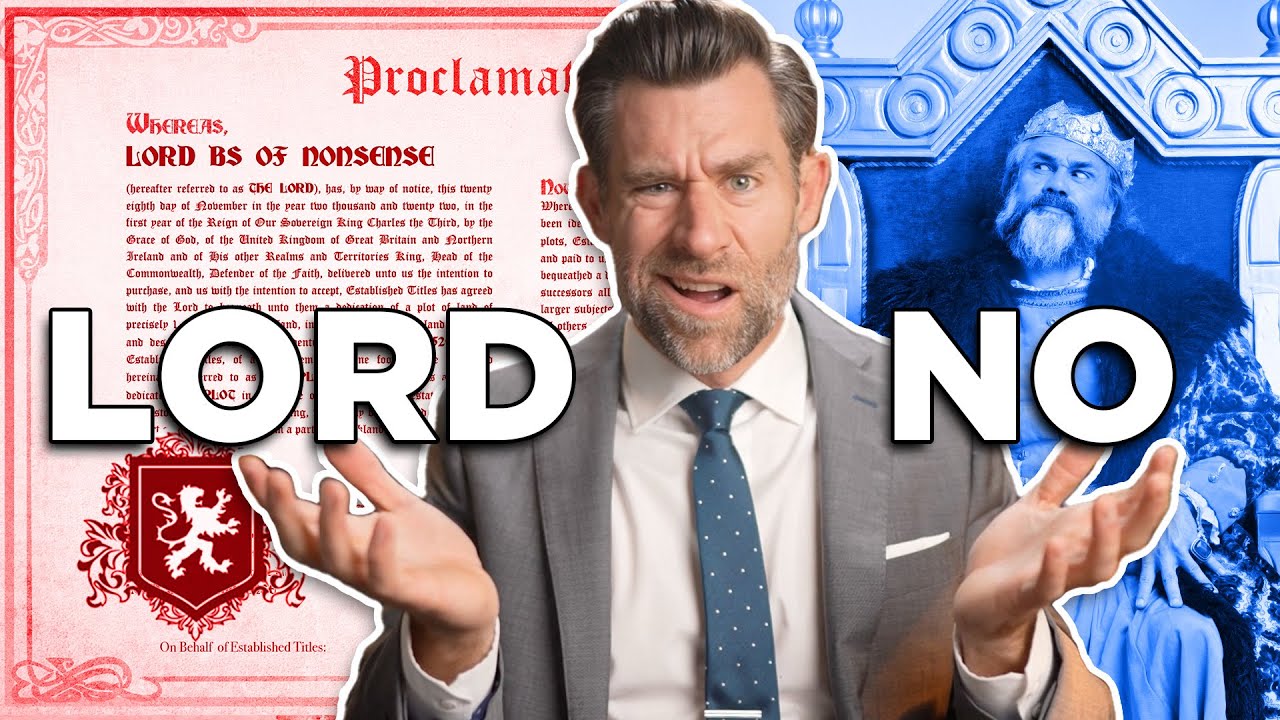
Can I “buy Scottish land” via Established Titles and then sue all of the youTube content creators that promoted it because ET is a established as a scam and you don’t actually own any land?
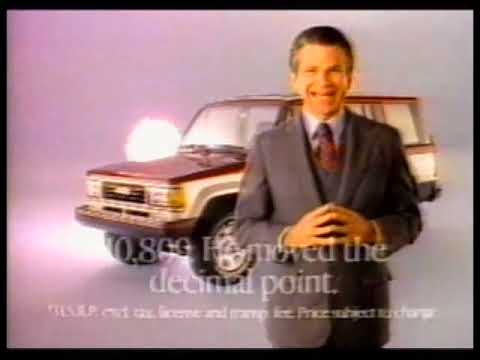
That’s probably the best example. Joe Isuzu is an entirely fictional person, played by David Leisure, who sells Isuzu cars using blatantly and ridiculously embellished marketing points.
It’s clearly not Leisure himself saying that an Isuzu has more seats than the Astrodome, nor is it intended to actually be believed.
But… if say, William Shatner hauled his ninety-something ass up there and said that he likes Depends, and I’m 90, I should know!" , that’s a totally different sort of endorsement.
And, to the point that, not only were Joe Isuzu’s claims about the cars clearly and wildly inaccurate (and played for humor), but the ads featured disclaimers, pointing out the truth.
Kim Kardashian is famous for being famous. She has no particular skill or public presence except her notoriety. Tom Brady is famous for playing football. Tom Brady is not famous for being famous. He’s famous for being the best quarterback by far in decades, if not ever.
To be sure, that gives him no particular expertise in crypto exchanges. Just like I have no particular expertise in crypto exchanges. But I’d make a much less effective spokesman than Brady because he is famous for football and I am famous for … nothing actually, I’m not famous at all.
Read it. How do endorsers violate those rules? If I say I like ABC NFTs then how am I liable if it turns out to be a scam? Assume I don’t know it’s a scam.
That’s where due diligence comes in. If you are staring straight at a camera for an advert that will get wide circulation, and say “In my opinion X is a really good deal that will pay off well for you,” you’re encouraging people to buy X. You’re putting your personal status on the line to encourage a commercial transaction. You may well have an obligation to do some research and be sure that there’s a good basis for saying X is a good deal.
It will depend on the facts of the case. Larry David being a comedian, his schtick might just be seen as schtick. But if the Sage of Omaha appears in an advert and recommends that people buy shares in X, that’s something different.
And, this is an issue of civil negligence, not criminal. Due diligence, properly done, is a widely known standard in civil matters to avoid a negligence suit.
LD isn’t saying anything positive, but the commercial is USING LD to say something positive, by pointing out how many times “LD” has been wrong about things that became successful. Therefore, don’t be like Larry (who we are paying money to be a reverse spokesman, and we, he, and you all know it.).
Unless, of course, he was actually against the wheel. Then he has an out.
Celebrities should not knowingly endorse frauds but that does not mean they have a fiduciary duty to viewers, which implies a high standard of conduct to act only in the best interest of viewers.
But the recommendation is implied.
But I’m just not clear on how much due diligence an actor in a commercial is supposed to do. Or why anyone would trust Larry David to do it well.
The whole bit where he lies verbally but the truth is subtitled below was adapted from Leisure’s stand-up routine. Just in case he needed an additional layer of “not meant to be serious” theoretical defense.
“Hi, Pat Boone here. If your kid looks like mine used to - goalie for the dart team - then try this here medication for them there monster zits. I gave it to my daughter and now she’s a 24-carat smooth-skinned celebrity with her own hit record…”
This is what I can’t understand either. Same for the Brady ad. If Brady, or LD, asks his lawyer to do some basic research, perhaps garnering an answer to the following questions:
Does the company actually offer the services it says it does?
Are /have any of the directors been involved in criminal or civil legal issues?
Does the company appear to have sufficient revenue and capital to be considered an ongoing solvent business?
Is the company operating legally in whatever jurisdiction I am advertising in?
Is that small piece of work, scouring through mostly public records to achieve , sufficient to be considered due diligence? I would’ve thought so.
Given that FTX was an utter shambles on every level. There must be some point, way before FTX levels, where your due diligence would fail.
There was no bookkeeping.
No report from any accountant.
It was just the curly guy saying “line goes up”.
It doesn’t matter what the answers to those questions are; it matters that there is someone or something to answer them, with documents, bank statements… anything! If anybody would have looked at anything and tried to verify any of it they would have come up blank.
Any kind of research would have shown there was nothing there.