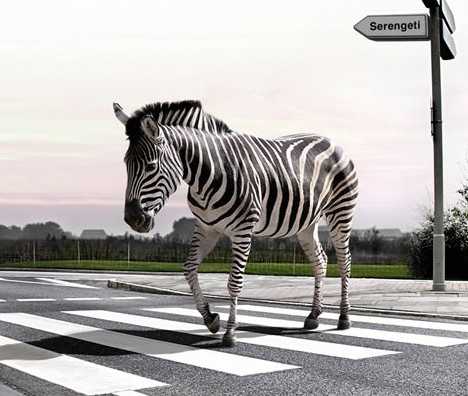
A zebra recently escaped from an auction trailer in Tennessee, and was quickly captured. Apparently - private ownership of zebras is legal in Tennessee (only agricultural permits needed). In the same ownership category of zebras, are also camels, giraffes, and others.
What do other jurisdictions have to say about “exotic” animal ownership?
Here in Rhode Island you can get a permit for just about any animal if you can demonstrate the knowledge and that you have the proper resources for the animal to live in a safe healthy environment. I don’t know the details but Massachusetts has a lot more rules. I have heard Nevada has minimal requirements to keep any animals as pets.
This is a policy argument, but I don’t see why “exoticness” alone should be accepted as a legitimate reason for legislatures to restrict animal ownership beyond what applies to comparable “non-exotic species”. Take zebras. I’m not an expert on things equestrian, but if zebras are similar to horses (which fall into the same genus) in terms of what it takes to properly (i.e., with due regard to the needs of the animal) keep them, and don’t pose a greater risk to others than horses, then why shouldn’t keeping a zebra be subject to the same rules as keeping a horse? I don’t know if these conditions are met, but even if they’re not, then it’s still those facts, rather than the simple exoticness of the zebra, that would justify being more restrictive.
Zebras aren’t horses. The state has an interest in the keeping of wild animals for public safety and the health of the animal. Horses are domesticated but can still harm humans and property and the state can set standards for proper care that minimizes this. There aren’t an abundance of zebra experts or experience with these animals to base standards on. There is also the possibility for any wild animal carrying a disease dangerous to humans or other livestock.
Apparently the reason Africans don’t ride zebras and they’ve never been domesticated is (According to Jared Diamond’s “Guns, Germs, and Steel”) that they are incredibly dangerous biters. Many people in Africa have chunks out of their arm or leg missing from zebra bites.
Many exotic animals can be dangerous and unpredictable and discomfort from being around humans can aggravate their unease and tendency to attack. For some, human actions could trigger their hunting reflexes. And they all have teeth and other defensive weapons. Domestication is a centuries to millennia long process of weeding out the more aggressive offspring and the ones uneasy around humans until those instincts are gone.