Coffee supposedly has dozens of beneficial chemicals. Putting one or two of them in a pill may not replace the benefits. You are acting on faith assuming a supplement contains the amount of stuff it claims to. There is a place for some of them, for some people. Eating better is usually a wiser choice then buying supplements. We understand a lot about metabolic pathways. But far from everything. We didn’t become eight billion strong by taking tablets.
A few weeks ago, clicking through articles on CNN, I came across one of those clickbait videos that was hawking a “miracle” supplement that claimed to have all kinds of amazing beneficial and remedial effects. I had a look out of idle curiosity. The presentation followed the classic snake-oil sales pitch formula, the sort of thing you’d expect to see on a late-night infomercial, but I was curious how they could get away with it without getting dinged for unproven claims, so I did a bit of Googling about the product.
No surprise, it was basically a scam. But the way they got away with it was by treading a fine line between outright fraud and the fact that they could point to various bits of evidence from tentative research that some of the ingredients, in appropriate dosages, might actually have some of the effects claimed. Aside from the fact that much of this evidence was far from conclusive, in every single case, the amount of each particular ingredient included in the pill was far below the dosage needed to have any effect, nor of course were there any studies on the effect of throwing all these different ingredients together.
I imagine this is probably a frequent scenario with many of these supplements – a grain of truth, lots of hype, and getting away with it due to lax regulation.
Still, I take a multivitamin formulated for older folks on the basis that (a) it may make up for any vitamin or mineral deficiencies in my diet, and (b) it likely won’t hurt. I suspect it’s probably fairly useless but it’s not like it’s a major expenditure.
Eh, you can eat a good diet, and still be deficient, due to various factors. People can have the perfect diet and exercise routines, and still have issues. Plus, sometimes people might have certain allergies or ailments, and not be able to eat certain foods, so you’re better off with a supplement.
One thing you definitely should remember: if you’re on any type of prescription meds, supplements can interfer with them. I learned that the hard way. 
But whether that’s the case or not – ASK YOUR DOCTOR FIRST. I was prescribed high level VitaminD, because my doctor said I was deficient, but I wouldn’t go and take anything OTC without asking first.
I swear by this supplement.
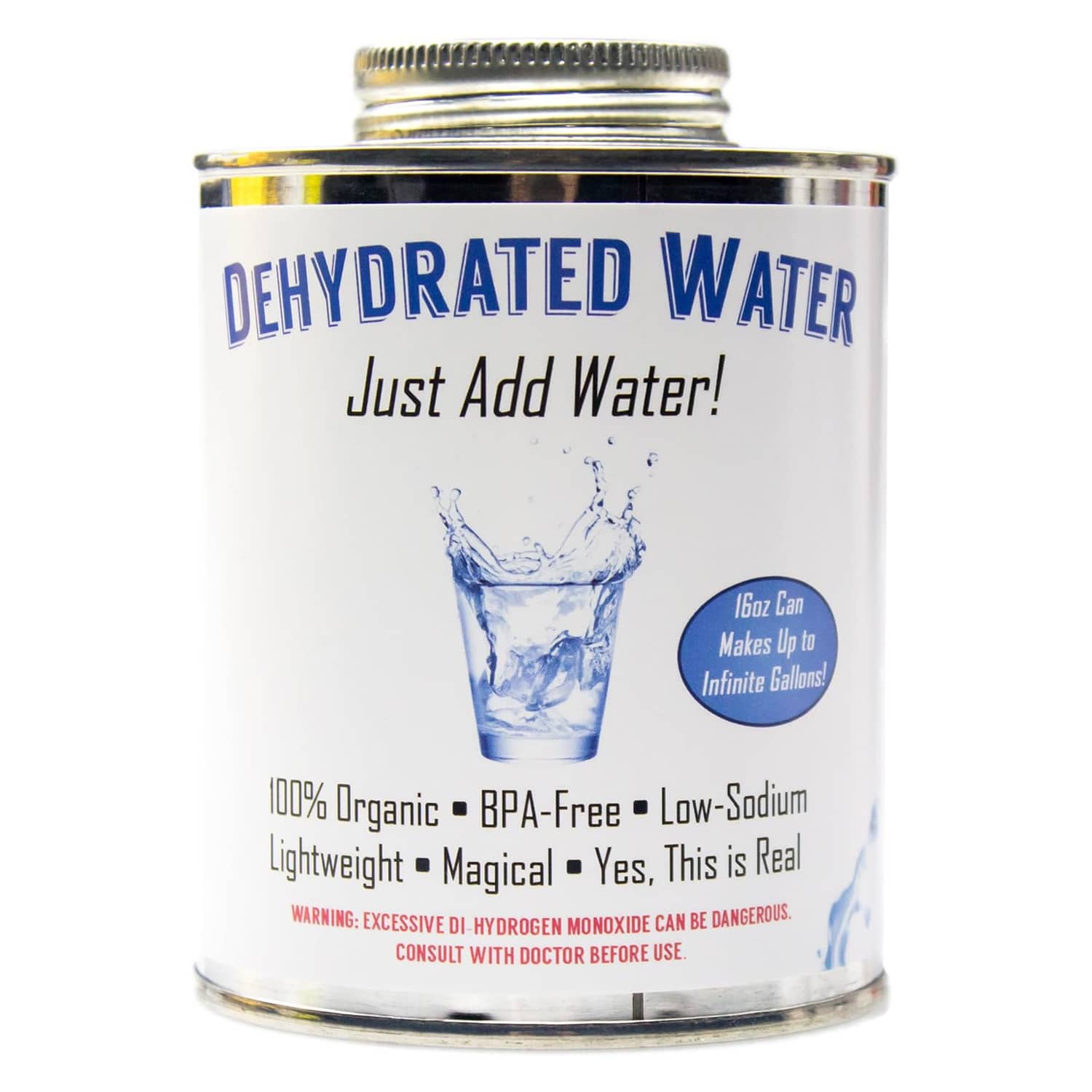
No thanks. It doesn’t explicitly say that it’s GMO free!
Does it have gluten?
How many generations of people didn’t have any supplements? Yes, there were occasional deficiencies but many were due to artificial environments, such as being on boats without fruit for extended periods.
I think taking a multivitamin is pretty harmless, and don’t get on a high horse about them. Quite a few of them contain pretty small doses of vitamins, especially if you prefer gummies. A few contain stuff you don’t need at all (nickel?). Most people are not deficient if they go outside sometimes and eat a variety of foods. There are exceptions: maybe athletes, those on limiting diets who avoid or cannot access certain foods, those with metabolic disorders, special conditions like pregnancy, etc. who might benefit. Supplements may help certain specific conditions.
People can spend a lot of money on supplements, often of little or marginal value. Sometimes the value is unknown, as in the case of a few things I take. But most of those are magical. Few supplements outweigh regular exercise, not smoking, eating daily vegetables with fibre and having unhealthier foods and alcohol less often. Lots of people in practice would rather take something than make these changes, but that doesn’t make it a healthier choice.
My personal issue is that I’m not a big fan of fruits and vegetables, so I tend to miss out on those vitamins and nutrients, hence the thought that multivitamins may be of some benefit. Sometimes I’ll force myself to add a small quantity of various mixed veggies to a meal, other times I’ll compromise by cooking rice in vegetable broth. I’ll occasionally have a salad but not often enough. Instead I have a special affinity for potatoes – mashed, roast, fried, doesn’t matter, and other starches like rice and bread. I like to think that my body knows what it needs and is directing me accordingly! 
Bottom line is that you likely don’t need supplements if you are eating any reasonable variety of real food, and if you are not eating that reasonable variety then supplements won’t replace most of what you are missing.
The latter is both because the whole is more than the sum of the parts (being packaged for example inside plants cells surrounded by fiber matters to how it is delivered, absorbed, and the impacts it has), and because a variety of real food also has the unnamed cast of thousands of other substances of impact that no supplements have.
Most supplements have little (albeit non zero) potential harm other than in mega dosing contexts, but sometimes some people are more likely to allow themselves to eat more crap and less real food with the false rationalization that their multi or combinations of supplements is giving them insurance of getting what they need. And that is of real harm.