I think you’ve hit it with this. Take a look at this video, cued to 2:33 where he starts taking the carb apart:
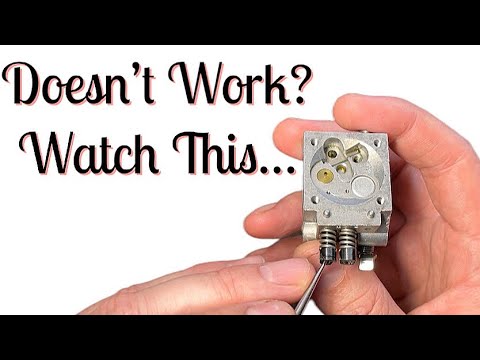
He starts by taking the cover off of the pump side of the carb. At 2:53 the cover comes off, and the area of interest is the exposed part of the diaphragm nearest his ring finger. That’s covering the bottom of the chamber just upstream of the metering valve (the round pocket nearest his ring finger at 3:00). At 26.33, he shows the inside surface of the cover that clamps the pumping diaphragm to the carb body. The rectangularish depression closest to his pinky finger ends up directly over the chamber upstream of the metering valve. So yes, there is a diaphragm there that’s providing compliance, allowing the pumping diaphragm to squeeze in a bit of extra fuel during the piston’s downstroke, and pushing the fuel past the metering valve when venturi vacuum pulls down on the metering diaphragm.
Looking at this some more, it’s not so much the large overall volume of that chamber that matters - rather, it’s the large cross-sectional area, which facilitates the use of a large diaphragm that can store a substantial volume of fuel under pressure within the volume of its own deformation.
So it looks like that’s the missing element in the video I linked to in my OP: a useful degree of springy compliance in the chamber just upstream of the metering valve, allowing it to behave like a hydraulic accumulator.