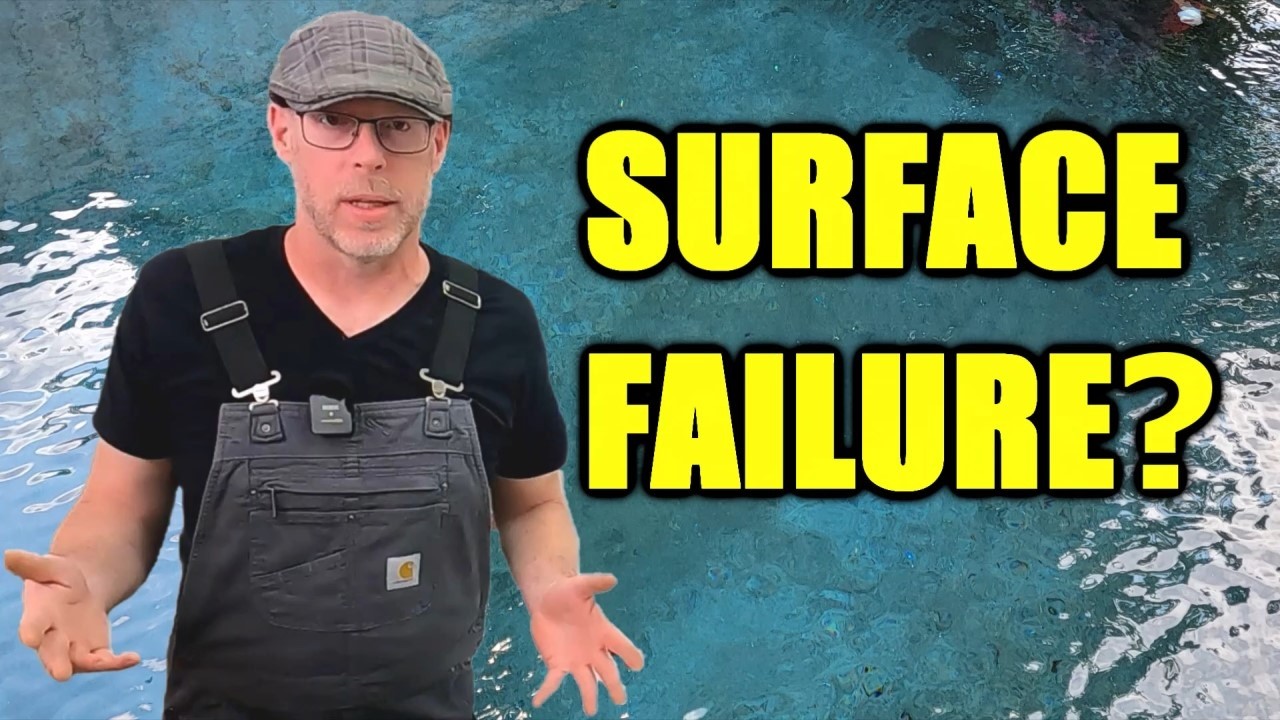
After painting the bottom of the reflecting pool at the Lincoln Memorial, it was refilled with water. Almost immediately, the paint began to peel. According to el donald, the peeling paint is the result of vandalism.
Chemistry is not my strong suit. I’m hoping that there is a better expert among the teeming millions. If someone were dump a load of paint remover into the pool, how much would it take to do that?
The pool is 2037 feet long and 167 feet wide. It’s depth varies between 18 and 30 inches. As a rough guess, we can assume that the average depth would be two feet.
They were paid so little (a no-bid $14.7 million contract, versus the initial estimate of $1.8 million) is it any wonder that they had to use inferior paint?
This webpage (linked to from the Wikipedia article on the reflecting pool) says the original pool was asphalt and tile, covered by a concrete slab in 1980 and that replaced by multiple concrete slabs on timber pilings, with sealing strips between them.
There is also thousands of feet of pipe connecting to a water treatment system.
Here is a pretty good article by NPR on the algae in the pool. The same thing happened after the renovation during the Obama administration. And it’s been a problem for over 100 years.
The article, however, doesn’t say anything about the paint issue, which is the subject of this thread.
A reminder, all, that we’re in Factual Questions. The Factual Question here is, how much thinner or other chemicals would need to be added to the pool so that, when diluted by the water already there, it would cause the paint to quickly peel or otherwise deteriorate. If you have information on that question, please share it. If you wish simply to get in digs against Trump, there are plenty of other threads for that.
Here is a video on the actual peeling by an expert that is basically getting calls from all of the press to discuss what’s been going on in the pools.
He claims that, while too much peroxide could cause peeling, it wouldn’t look like sheets coming up. He says it is most likely adhesion failure due to improper preparation. The surface could be too smooth or the concrete could be so old it’s failing. Or water could be leaking in on the underside.
The top layer of this stuff is very strong, but the bond layer isn’t. So it requires special work.
In his book, Michael Cohen relates the story of how Trump ordered the cheapest low-grade paint for a hotel project he was developing. Then, when it proved to be cheap and low-grade (Apparenly, just cleaning the walls took off the paint), he refused to pay the contractor and sent Cohen to deal with the paint manufacturer and demand they fix the problem problem at their own expense.
In literature, this is called foreshadowing.
I would presume the first step is to drain the swamp pond. Then manually/mechanically peel off as much as can be removed non-chemically. Then chemical application would be the action for the pieces that actually adhered, are not peeling. I don’t do much paint work, but I have not run across paint remover that is meant to work on wet surfaces or is meant to be diluted with water.
So drain, let it dry, then apply remover. I presume, the issue would be how easy it is to strip - and if the concrete surface is rough and failing, I see no end of problems.I presume they would do it in sections. The other question is, how much it rains in DC if the work has to be done with a dry surface. I’m imagining a year or three, with a tent covering progressive sections of the drained pond.
There’s a reason previous administrations were reluctant to touch this job.