Although the 5 MPH bumper standard went away rather than getting more stringent. As mentioned earlier in the thread, one of the few advantages of older cars is that they handle low speed crashes much better. Most modern cars definitely can’t survive a 5 MPH crash without damage. The 5 MPH bumper was always more of a consumer protection regulation than a safety one anyways and while it didn’t drive Detroit out of business the 5 MPH federal-compliant bumpers were really ugly and unpopular.
The whole idea behind the “5 mph” bumper standard was that NHTSA declared that by 1973 cars should be able to withstand a 5 mph collision and not have any of the exterior lights damaged. In 1974 they also had to be able to withstand an angle/offset 5 mph impact. So from 1972 cars went from this to this, and none of that was to actually protect the occupants. Once the IIHS got involved, the attitude shifted to “to hell with the car, the people inside of it are far more important.”
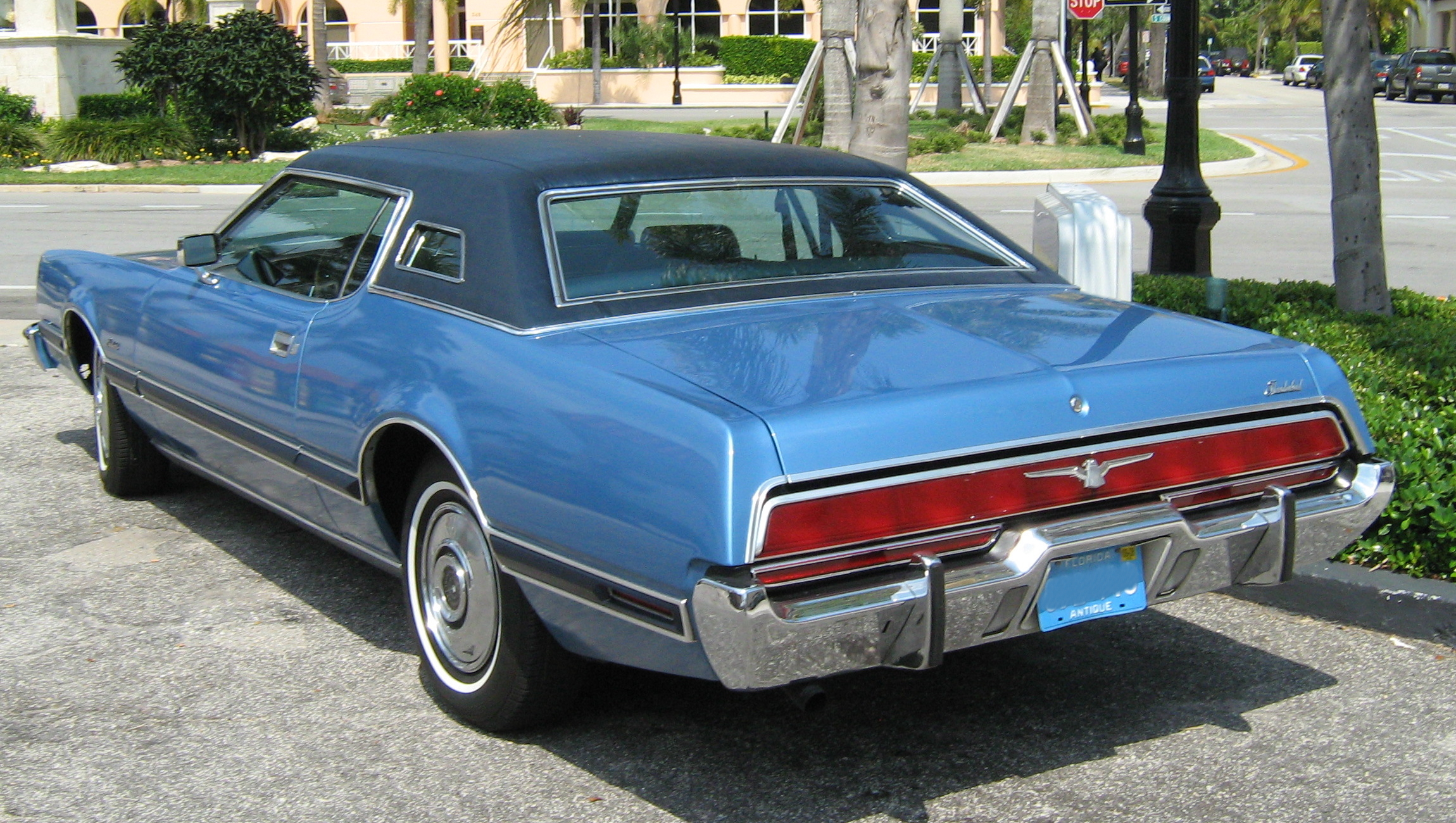

would you get the fuck off of it about “Detroit” already? The Japanese or European cars of the time were hardly any safer.
Not trying to tell you what to do, but you can get a 2005ish land yacht for <$4500 if you shop around. In 2011 I bought a 2002 town car for 4k.
Better safety features, better gas mileage, less mechanical problems, easier to find replacement parts.
not all that safe in a side impact:
http://oppositelock.kinja.com/ttacs-jack-baruth-severly-injured-in-accident-1496683131
!!! THIS JUST IN !!!
If you crash a car, you can get hurt!
Tell everyone you know!
2005 Lincoln Town car. 5 star ratings in all crash tests.
Consider a 1984 GM Diesel. Better mileage than gasoline and the bugs had been worked out by then.
Actually, the “no damage” rule didn’t just cover the bumper. Starting September 1, 1972, “The standard prohibited functional damage to specified safety-related components such as headlamps and fuel system components when the vehicle is subjected to barrier crash tests at 5 miles per hour (8 km/h) for front and 2.5 mph (4 km/h) for rear bumper systems.”
“The standards were further increased for the 1974 model year passenger cars with standardized height front and rear bumpers that could take angle impacts at 5-mile-per-hour (8 km/h) with no damage to the car’s lights, safety equipment, and engine.”
“The most rigorous requirements applied to 1980 through 1982 model vehicles; 5 miles per hour (8 km/h) front and rear barrier and pendulum crash tests were required, and no damage was allowed to the bumper beyond a 3⁄8 in (10 mm) dent and 3⁄4 in (19 mm) displacement from the bumper’s original position.”
And then the 80’s dialed that back:
“NHTSA most recently amended the bumper standard in May 1982, halving the front and rear crash test speeds for 1983 and newer car bumpers from 5 miles per hour (8 km/h) to 2.5 miles per hour (4 km/h), and the corner crash test speeds from 3 miles per hour (5 km/h) to 1.5 miles per hour (2 km/h).” Ostensibly because complying with the standard was costing automakers too much.
(Quotes are from Wikipedia)
From wikipedia: “Consumer and insurance groups have decried the weakened bumper standard, saying it has increased overall consumer costs without any attendant benefits except to automakers”
And: “In the United States, the Insurance Institute for Highway Safety, subjects vehicles to low speed barrier tests (6 mph/10kph) and publicizes the repair costs”
Can’t argue with unpopular, but I find these beautiful.
(Lots of cars did it less elegantly.)
http://www.automobile-catalog.com/photo/1975/658925/43310.html
They’d arguably fixed the most egregious of the reliability issues by then (at the expense of even worse performance than the earlier ones) but good luck finding one; sales seriously tanked after the 1982 model year as oil prices fell and word got out about how awful the earlier ones were. IIRC, sales of the 350 diesel in 1984 were somewhere in the hundreds.
I have to admit that I also kind of like the “rubber fangs” style early 5 MPH bumpers, but I recognize that’s pretty much just nostalgia now. At the time they were pretty jarring to American car buyers coming out of about three decades of cars being nothing but unbroken chrome up front. I think the later ones with the full wrap-around rubber are still straight up ugly, though.
results varied:



Ew, that’s tacky as fuck. But now I know who inspired Lil’ Jon’s grill.
A side question- what new cars have that great smooth ride? Without being gas-guzzling POSs. (I accept not getting great MPG, sure).
No I am not; I am just speaking from a different viewpoint. You look at it as some engineer would and I’m looking at it as a mechanic would. Slipsticks vs wrenches.
And I did not claim they were safer just much better than the crap handed us today in many daily circumstances. And I’ve had the actual collisions and experience to prove it. At least IMHO.
As for that crash – staged as a special event to celebrate an organization trying to prove its worth. Wanna bet I can stage a crash using the same models showing the opposite? Loser picks up the tab. 
I once drove a Mercedes sedan - circa 1987.
It was like a big wad of bubblegum - you can try to make it alter speed or direction, but plan it at least a block before it actually is needed.
But it was smooth - like the 1956 Olds we had. The first car I was aware of - a huge, lumbering beast.
get a Cadillac Sedan De Ville-huge and safe. plus, my dad’s one (with the Northstar V-8) got 27 MPG on the highway. But don’t buy one made from 1997-2001 (those years, the Northstars had bad head bolts-which came loose, leading to a head gasket failure).
Yes, but I’d like to know what* new* cars have a nice smooth ride.
Oh, that’s easy. Maybach, Bentley, Rolls…
This raises the question of whether you’d be that much safer in a '20s or '30s car, with hardwood body frames that tended to smash to the proverbial smithereens.
if it’s old enough it might not have safety glass in the windscreen, so you could look forward to sharp daggers of glass flying around too.
I truly believe that if the automobile was to be invented today, it would be very difficult for the average person to be allowed to own one.