I am addicted to watching the “Homes Under the Hammer” series on YouTube (UK real estate bought at auction). It is astounding the amounts of cash that are spent on derelict properties in desirable locations – tiny buildings that were constructed hundreds of years ago, many without central heat or indoor toilets (!!). I live in California a block away from cookie cutter “McMansions” on tiny lots now going for $1M+, and even they don’t match the sticker shock of these places.
Ha! In my area, 225K USD will get you a 600 square foot condo apartment with unrestricted rentals (yay!) in a dodgy area of town. You’ll have a choice of three, all in the same building.
If you go further out of town, you have a choice of 12 at this price point- all of them mobile homes on rental pads.
In my Chicago neighborhood or surrounding ones, there is absolutely nothing, at least for sale, even close to $1M. The best I could find is this place for $509K:
There are some commercial lots you can get for a mil, but for the million dollar homes, you have to go to the North Side, the suburbs, and a smattering of places on the South Side (Hyde Park has a few; I wouldn’t be surprised if Bridgeport and maybe parts of McKinley Park that have some newer construction have it.)
Housing can be expensive in Chicago, but not all of it is, and it’s not all in bad neighborhoods. We bought our 1600 square foot, 4 bedroom house with garage, for example, with 900 square foot basement, for $225K five years ago (and kept the old house we owned in this neighborhood, 1200 square feet, plus 600 square foot basement, which we bought for $147K in 2011). In Wicker Park (a “nice” neighborhood on the North Side), our current home would probably be a $600K house, and our old one maybe around $350K-$400K.
It’s because house inflation in some areas is insane. The flat I mentioned was bought for £225k in 2010. And although they would have increased the value by the changes they’ve made, the flat they bought would have been fully liveable, with central heating, double glazing, a fully working bathroom and kitchen, and structurally sound - it would have been essentially the same as my flat. And the last sale before that, in 1996/7, was for £96k. So the vast majority of the increase in price is due to the overheated property market.
And people now seem to take more note of the fact that it’s a conservation area - the pretty, quiet, old street is going to stay that way.
I know my neighbours, and the area they’re planning to move to is also overheated but not to quite the same extent, so they’ll still make a heavy profit.
“cottage block” is a local colloquialism for a very small block.
I don’t know what unit you use for residential blocks where you are. 10 perches is about
250m2
0.06 of an acre
0.245 roods
2700 sq ft.
2.5 are
0.0252 cho
0.025 hectare
27 squares
Wiki tells me a ‘perch’ is a synonym for a ‘rod’ or 16+1⁄2 feet, so I guess calling a house lot (block) a “10 perch” lot is one that is 10 square rods.
As a matter of curiousity, what unit is used where you are?
We don’t actually use “perch” in Australia these days. We use square metres. But I said “perch” in my post because it’s an imperial measure and I thought people in the US might be more familiar.
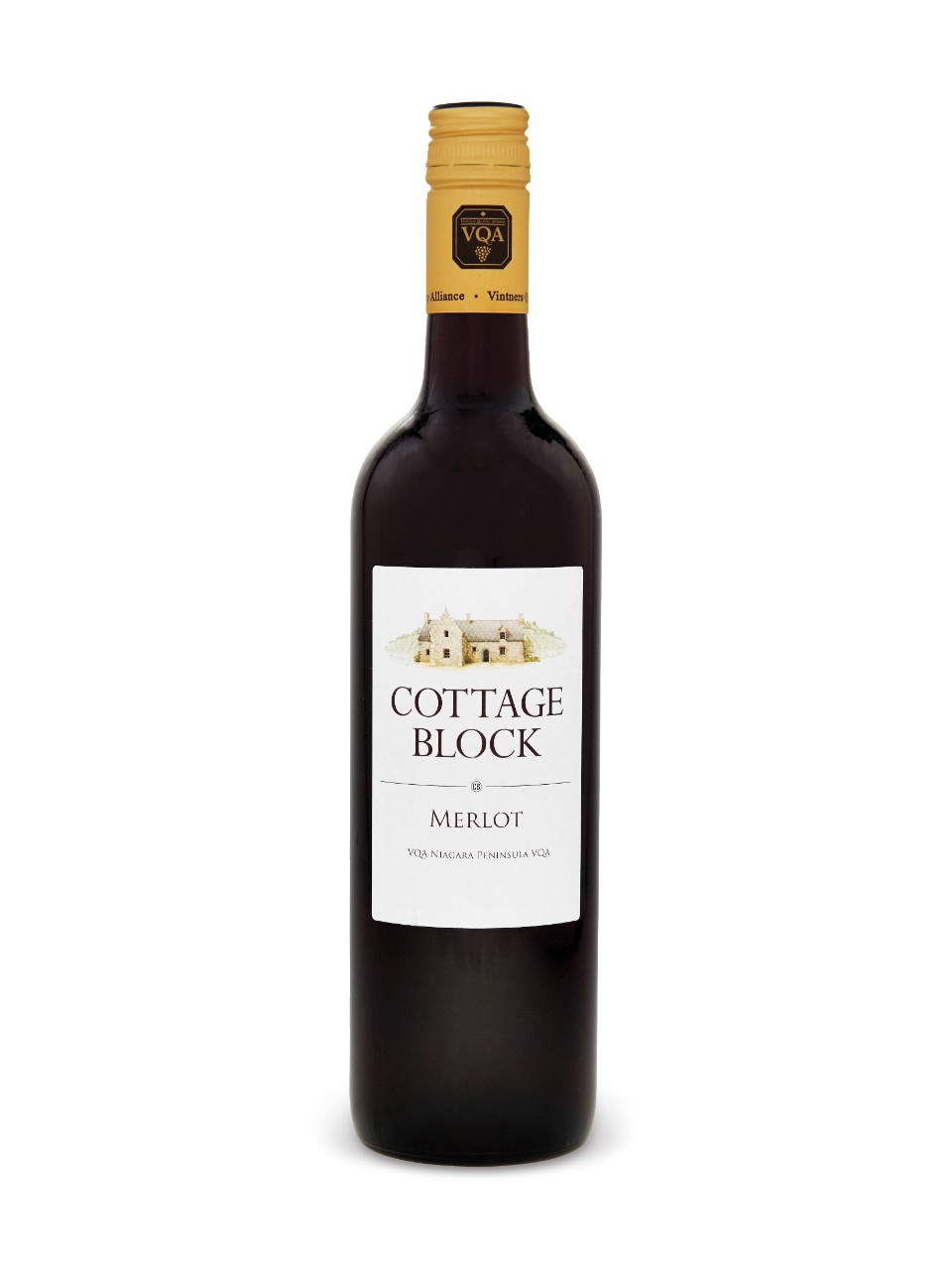
Ah, thanks for the explanation. It’s hard for me to Google because “Cottage Block” is a popular local winery and all I get when I Google it is endless varieties of wine!
Ah, OK. Yes, that would make a difference here too. I thought you meant the US meaning of block. (I’ve never found a meaningful definition for the UK).
A lot/plot is listed commonly in square feet or in some fraction/multiple of an acre in the US. Rod/perch isn’t a familiar term to most (really anyone except perhaps surveyors). A block is a square or rectangular section of land bounded by streets, subdivided into house lots.
Confusingly, we use block this way also but not as much. I think the US tends to have more grid pattern blocks which makes them more blocky. Our residential streets are far less grid patterned so the term would not be used in your sense for residential areas. Our CBD’s tend to be more grid patterned so if someone used the word “block” in the context of a CBD they would tend to mean a whole city block.
But in the context of residential housing we use block to mean lot. I’m not completely sure other states are the same. In NZ they use the word “section”, I think.