Who loved “Saving Private Ryan ?”
Remember at one of The Most Tense scenes in the movie, Tom Hanks’ character broke the tension by coming clean about what his profession was back in the States (2m36s):
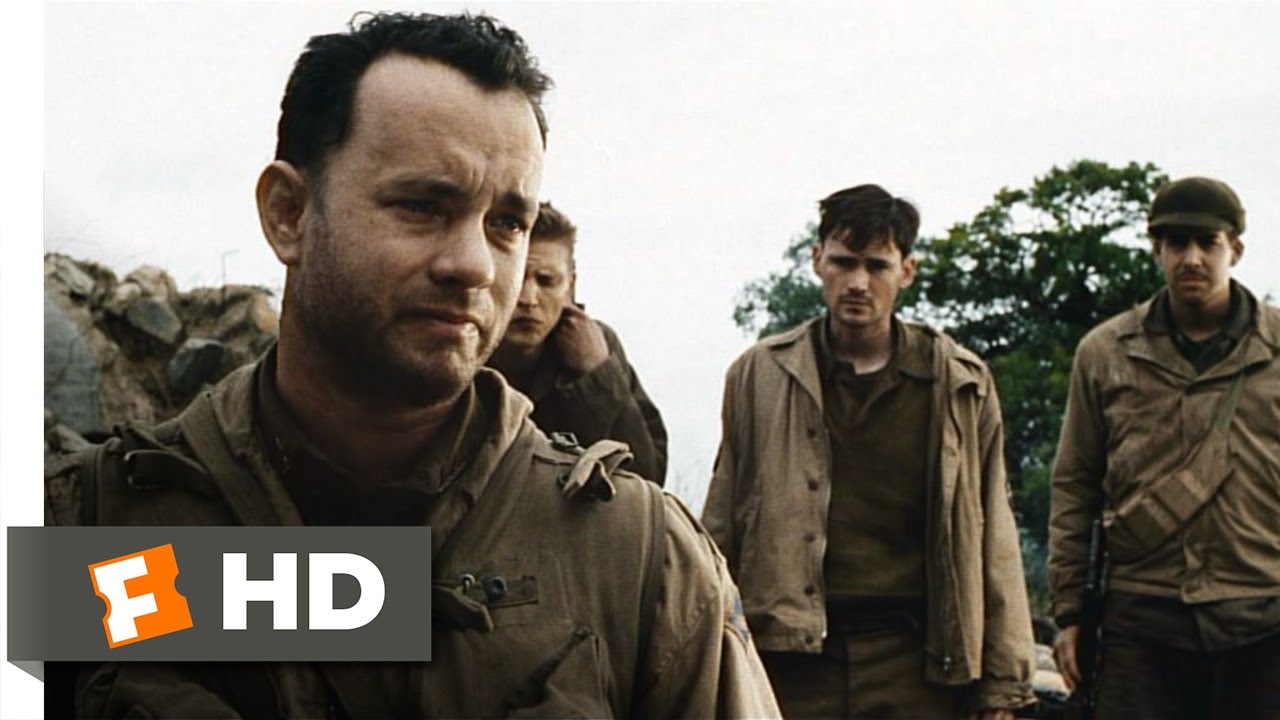
I’m going to take a shot at a Captain John Miller (Hanks’ character) moment:
My paternal grandfather was a pharmacist in a major US metropolitan area. Then, as now, pharmacist was a highly-regarded profession. My grandparents were high-profile society types, also very active in their temple.
My grandmother – his wife – apparently got more than a little too close to the temple’s cantor and told my grandfather that she wanted a divorce. This was in the late-1950’s.
My grandfather killed himself, thereby detonating a proverbial bomb in the lives of his surviving wife and teenaged sons, one of whom eventually (all too quickly) became the father of my siblings and me.
It was a classic ‘permanent solution to a temporary problem’ from which nobody ever really recovered. It sent ripples down over the next generations.
Fast forward five or six decades.
I’m sick.
I’m in my late-50’s. A few years back, I had a rare adverse reaction to a drug prescribed for nerve pain. I cheated death over the next few months, but … then …
I started having heart palpitations, ridiculous exercise intolerance, debilitating fatigue, and other symptoms that were diagnosed by numerous cardiologists as “just atrial fibrillation.” But I wasn’t so sure.
So I did the research that I could, learned how to intepret the test data that we had, and decided that it was something worse. I wasn’t initially sure what.
It took several years of arguing with doctors before I self-referred to three of the most famous teaching hospitals in the country. Multiple heart biopsies proved that what I had was a restrictive cardiomyopathy called Non-Tropical Eosinophilic Endomyocardial Fibrosis.
It’s a known, if rare, consequence of DRESS Syndrome – the rare adverse drug reaction that I had experienced. Rare ^ 2 (rare squared).
There are no treatments. I do not qualify for a transplant (the drug regimen is intense, and I came to this place by an inexplicable, severe drug reaction).
Five year mortality rate is 80%. I’m in year eight and not doing well. It’s a low output form of heart failure. My proverbial batteries should put out 12 volts. Instead, they put out about four, and they won’t hold a charge. Think of your cell phone that will only hold a 10% charge. You don’t get much utility out of it, but even the few calls you can make are garbled and keep dropping out.
All systems are affected. The reduced cerebral blood flow also causes cognitive dysfunction and radically increases the risk of dementia.
It isn’t good.
I’m acutely aware of the collateral damage that suicide wreaks on families. I’m also aware of what a slow, degenerative, terminal disease looks like.
So this one is on my radar screen. I’m looking at options.
Like so many things … it’s just not simple, and so much depends on where you sit in an equation like this one. In a way, I’m lucky. I have a family that doesn’t think that my suffering should have to extend in perpetuity in order to minimize theirs.
To those whose lives were touched by suicide, you have my utmost sympathies. To those who have faced down an ugly terminal illness, and have had to consider the choice, you also have my utmost sympathies.