If there’s one Dylan song that might fit the bill, it could be “Is Your Love In Vain?” in which he asks:
Can you cook or sew?
Make flowers grow?
However, it’s a great song, and I love it.
If there’s one Dylan song that might fit the bill, it could be “Is Your Love In Vain?” in which he asks:
Can you cook or sew?
Make flowers grow?
However, it’s a great song, and I love it.
By who?!
Sure, Sting gave it a go, but all credit should go to the man in black.
One of the things that draws me to Tom Waits’ work is that you know he’s lived the life he’s talking about.
Since tthe OP wants songs featuring characters with dickitude, here’s a doozy: a song in the point of view of a guy who, after his wife dies, kills off their several children so he can return to the life of a carefree bachelor. Crossing way over from dickish to monstrous, so too much maybe?
Spoiler alert:
Later on in the concept album that song is from, the ghosts of his children get their revenge

Sorry, I wasn’t specfic enough.
If the song is really autobiographical, then this is indeed a worry.
And there’s this:
https://thehill.com/changing-america/respect/equality/568165-music-icon-bob-dylan-accused-of-sexually-abusing-underage
Of course we know (or think we know) that many of the popstars and industry ‘hangers-on’ of the '60s, '70s and later were ‘at it’. And there was a whole industry of ‘groupies’, very many of whom were under-age.
Many of us (males) would have been ‘at it’ too, given the chance.
Quite rightly, Savile, Epstein and others have made us question our own dickitude of the past.
I never had the chance, by the way.
Others have posted about “Stay with Me” by Rod Stewart/the Faces. It has some great lines; is it really a dickish song? Granted, it’s blunt but he’s not telling the woman she’s beautiful to get her in bed or making promises, then bailing the next morning. He’s upfront, tells her he isn’t into her. She can make an informed choice, walk away, tell him to get lost, find someone else, or maybe go along with it if she wants to meet her own needs.
Via songfacts.com, here’s what Stipe told Q magazine in 1992:
It’s probably better that they think it’s a love song at this point. That song just came up from somewhere and I recognized it as being really violent and awful. But it wasn’t directed at any one person. I would never write a song like that. Even if there was one person in the world thinking, This song is about me, I could never sing it or put it out… I didn’t want to record that, I thought it was too much. Too brutal. I think there’s enough of that ugliness around.Blockquote
My wife did not appreciate me singing this song around the house. But what do you expect? This is the same singer who obsessed over his mother’s lover and plotted revenge against him for years?
I’ve never heard Baez’s cover of Please Come to Boston. I’ve only heard the one by Dave Loggins.
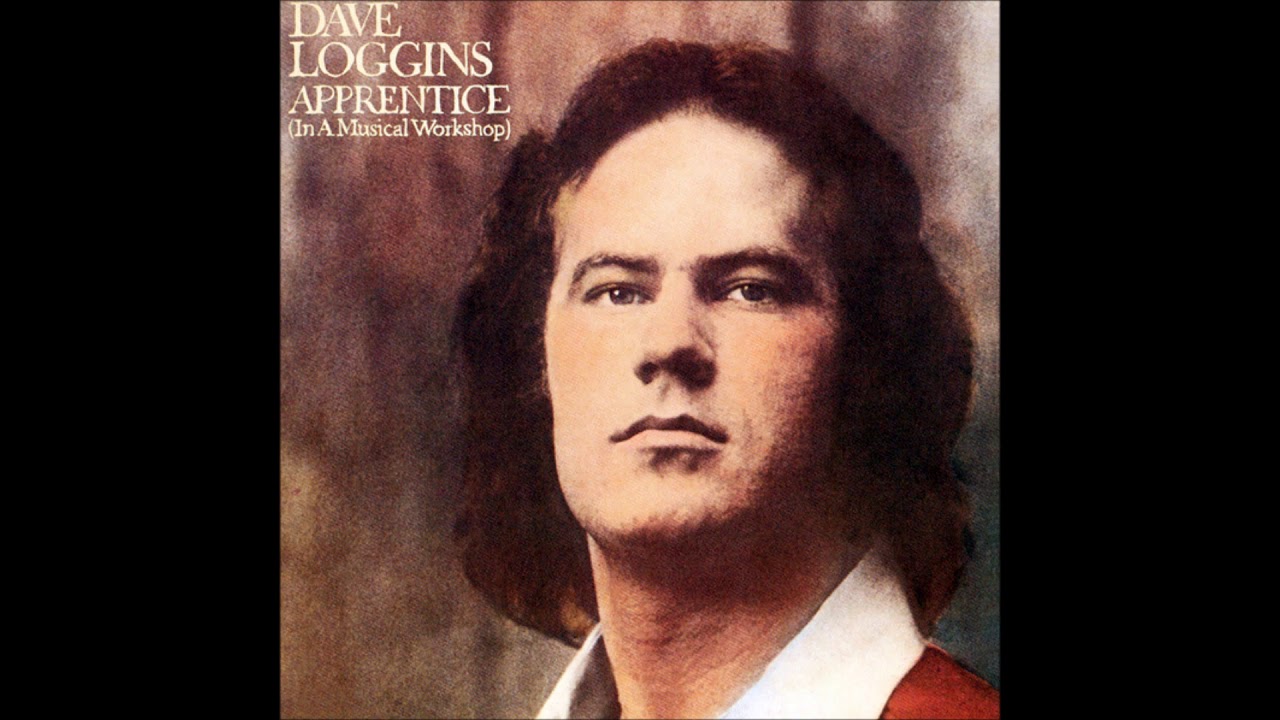
Not sure if that makes it better or worse.
ETA: And ninja’d by Exapno Mapcase.
Are you taking “child” literally there?
Right. He did more than once explicitly admit to these issues.
I like plenty of REM songs and The One I Love is actually a favourite. That said the quote you provided is pretty feeble:
Seems to be saying:
“Yeah. It’s a nasty song, horrible sentiments, I know but I would never write such a nasty song (even though I did) and I never wanted to record it (even though I did) and I never wanted to release it (although I included it on an album and then as a single) or to perform it even though it’s the song I have sung live more than any other. Plus I have included it on every subsequent live album and greatest hits compilation…”
OK It would have been a group decision but…
TCMF-2L
Or, he might have just meant what he said. No interpretation gymnastics necessary.
Per Wikipedia, McCartney himself confirms both the “covering” interpretation and the actual intent of the lyric:
McCartney commented on the final verse of the song: “In our world the guy had to have some sort of revenge. It could have meant I lit a fire to keep myself warm, and wasn’t the decor of her house wonderful? But it didn’t, it meant I burned the fucking place down as an act of revenge, and then we left it there and went into the instrumental.”[8]
-DF
The White Stripes covered “Your Southern Can Belongs to Me,” by Blind Willie McTell, includes this genuinely stomach turning example lyrical domestic violence:
Now baby, ashes to ashes, sand to sand
When I hit you, mama, then you feel my hand
Give you a punch through that barbed wire fence
When I hit you, baby, you know I make no sense
Hard to top that.
Never mind.
I’d say it was a conscious reaction. I’ve long maintained that “Peace & Love John” who first appeared around 1967 (?) was the person he wished he was.
Political activism as a penance for private guilt.
I left the same town in Tennessee that Loggins came from, but I don’t think there were any women who noticed besides my Mom. She never tried to convince me to come back, though.
Gotta disagree here, at least to a point. Yes, having an affair is wrong. Is a song about having an affair dickitude, though? What about falling in love with someone who’s married but NOT acting on it, as in the Grass Root’s "Midnight Confession? Are we defining “dickitude” as any moral wrong?
There’ve been dozens of songs about affairs “Me and Mrs. Jones,” “Third Rate Romance,” “Love the One You’re With” from the 70s, “Part-Time Lover” in the 80s. Actually, there were a bunch of Sixties songs about affairs, but they were subtle enough that the “sin” could be mistaken for simply having sex (“Angel of the Morning,” a song I loved, comes to mind). One function of music is to put audiences’ feelings and experiences into lyrics and melody.
I don’t think I’d call that “dickitude.”
Under my Thumb by the Stones goes beyond dickitude to full blown emotionally abusive coercion.
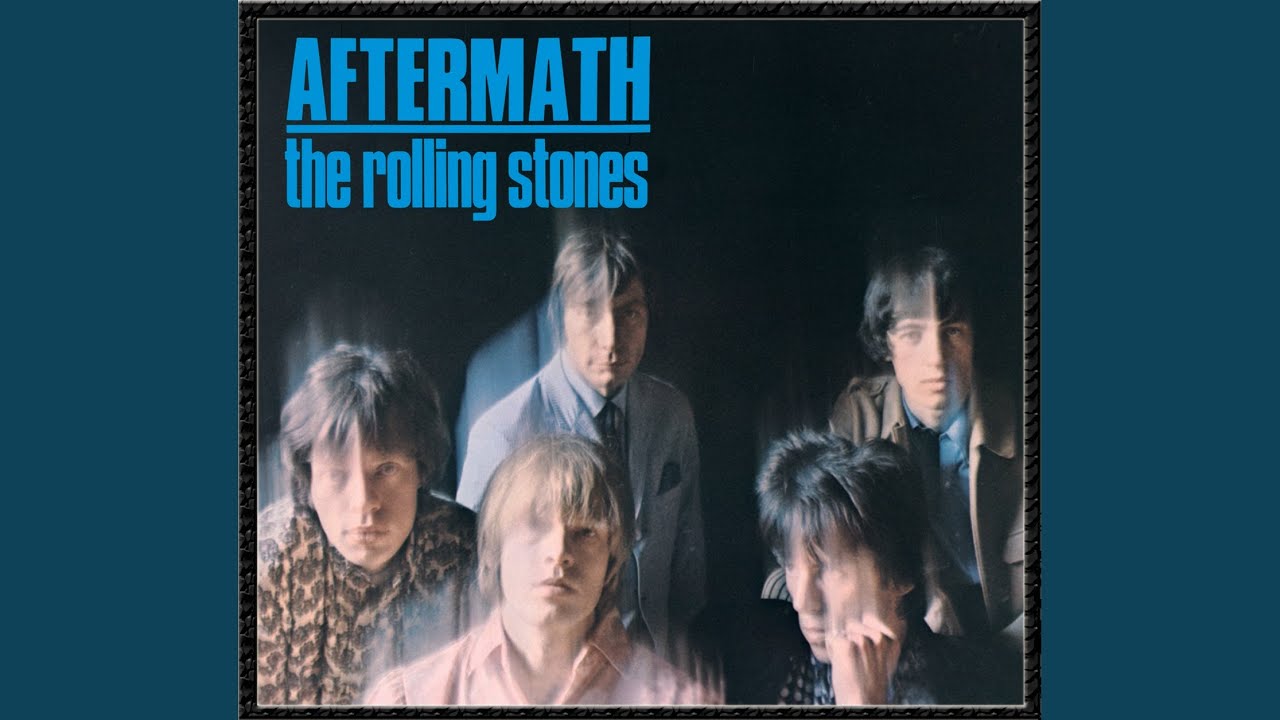
Plus of course pretty much any Morrissey song of course, being a dick is kinda Morrissey’s primary emotional theme.