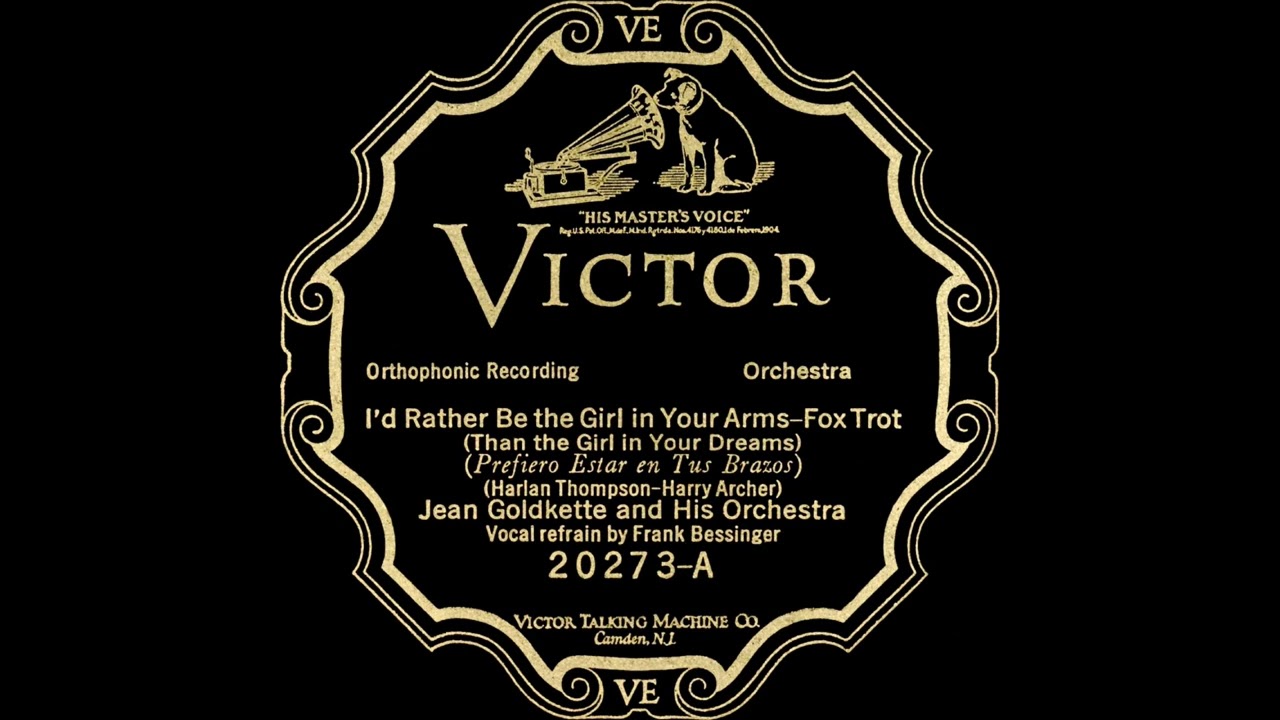
I’ve looked at youtube. Duke Ellington either has a female vocalist, or the performance is instrumental with no lyrics. Sinatra substitutes “my girl” for the original “my man”. Neither of these count. It isn’t a male singing a song from a female POV. There’s nothing in the song that explicitly indicates the gender of the narrator, other than the one single word that can be easily changed .
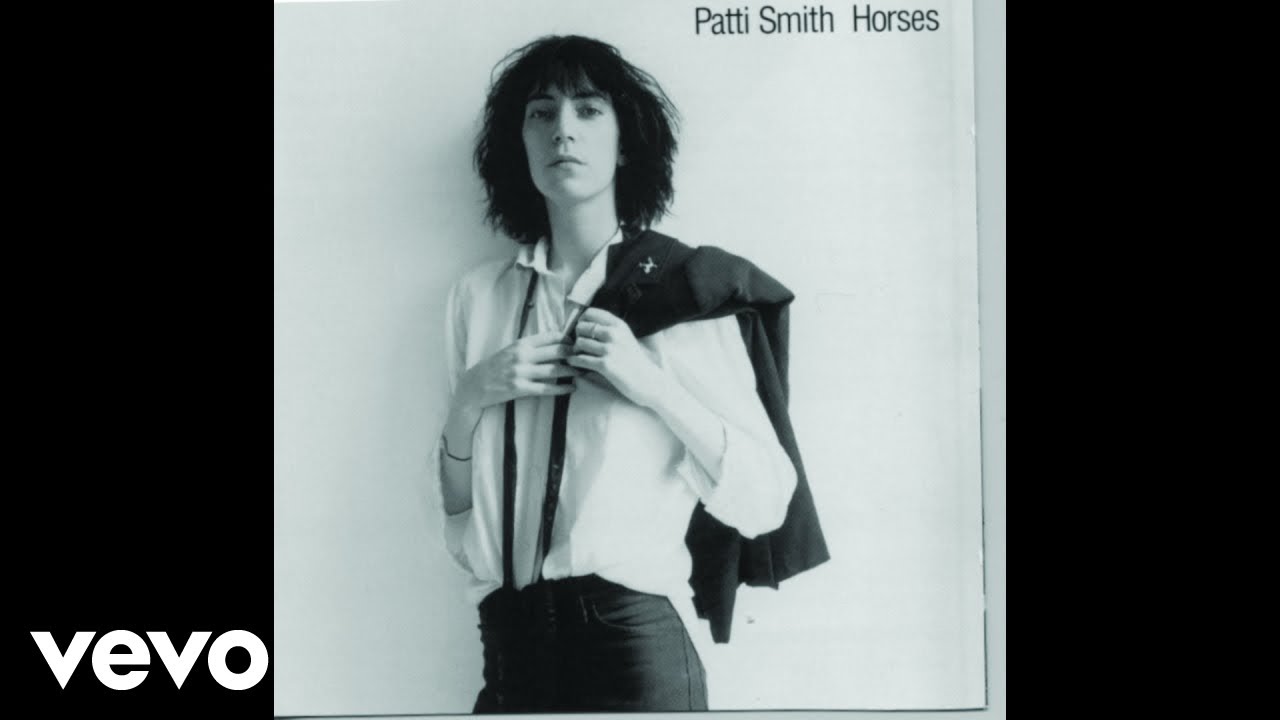
We have Patti Smith singing “Gloria,” adding and changing a lot of lyrics but leaving the gender situation as it is. There’s no reason why you couldn’t look at her version as a song narrated from the POV of a lesbian, but in real life, she’s not a lesbian. She explained her choice as a matter of artistic freedom. I doubt that anyone has ever thought that Mick Jagger has for real stuck a knife down anyone’s throat (or, for that matter, that he would call his own mother a “toothless, bearded hag”).
In “Boots of Spanish Leather” you sing both parts of a conversation between a man and a woman, including the woman singing “I got a letter on a lonesome day, from his ship, a’sailing.”
How about an entire concept album? The story is sung by a male, from the perspective of a 17-year-old girl.
It was round about this stage that the song ideas took me back to a memory of an intriguing radio broadcast from the Bristol Police some years ago on GWR radio. The police had picked up a young woman wandering on the Severn Bridge who refused or was unable to speak to them. In desperation the appeal was broadcast to the general public in an attempt to discover her identity. I heard this on the radio and thought it was a great first page to a mystery story. I was also concerned for her and wrote a few words of support which, of course she would never see or hear. I suppose it’s as near as I come to saying a prayer. I believe that good thoughts eventually lead to good things. ‘Runaway’ took me back to her - wondering what became of her - and I thought we might dream up a story which would become a piece of music like a fictional documentary of her life and the circumstances which led her to the bridge. We now had a concept album on our hands at a time when the whole genre was and probably still is terribly unfashionable. Suits us just fine!
The narrative of the lyrics has varied between male and female narrators. The earliest known printed version from Gordon’s column is about a woman’s warning. The earliest known recording of the song by Ashley is about a rounder, a male character. The lyrics of that version begin:[20] *
There is a house in New Orleans
They call the Rising Sun
Where many poor boys to destruction has gone
And me, oh God, are one.*