Yes, and I’ve googled to find out the right syntax to do something tricky in Excel, too.
But the hard part was realizing it was a useful idea. In this case, the implementation is easy enough that I’ve done it from scratch.
And i think that’s often true. The hard part is knowing what questions are useful to answer.
And i think you are agreeing with me that in this case, AI might be a useful tool, but it wouldn’t actually replace the spreadsheet, it would just help you write the spreadsheet.
But I think there maybe are some number of use cases where what might’ve previously been a clever spreadsheet gets replaced by a simple vibe-coded app instead.
A harbinger: On the programmer forum Hackernews, the “Show Hackernews” section used to be full of interesting indie projects that people made in their spare time and wanted to show off. Now it’s just a bunch of boring AI slop for trivial “low hanging fruit” applications that someone prompted.
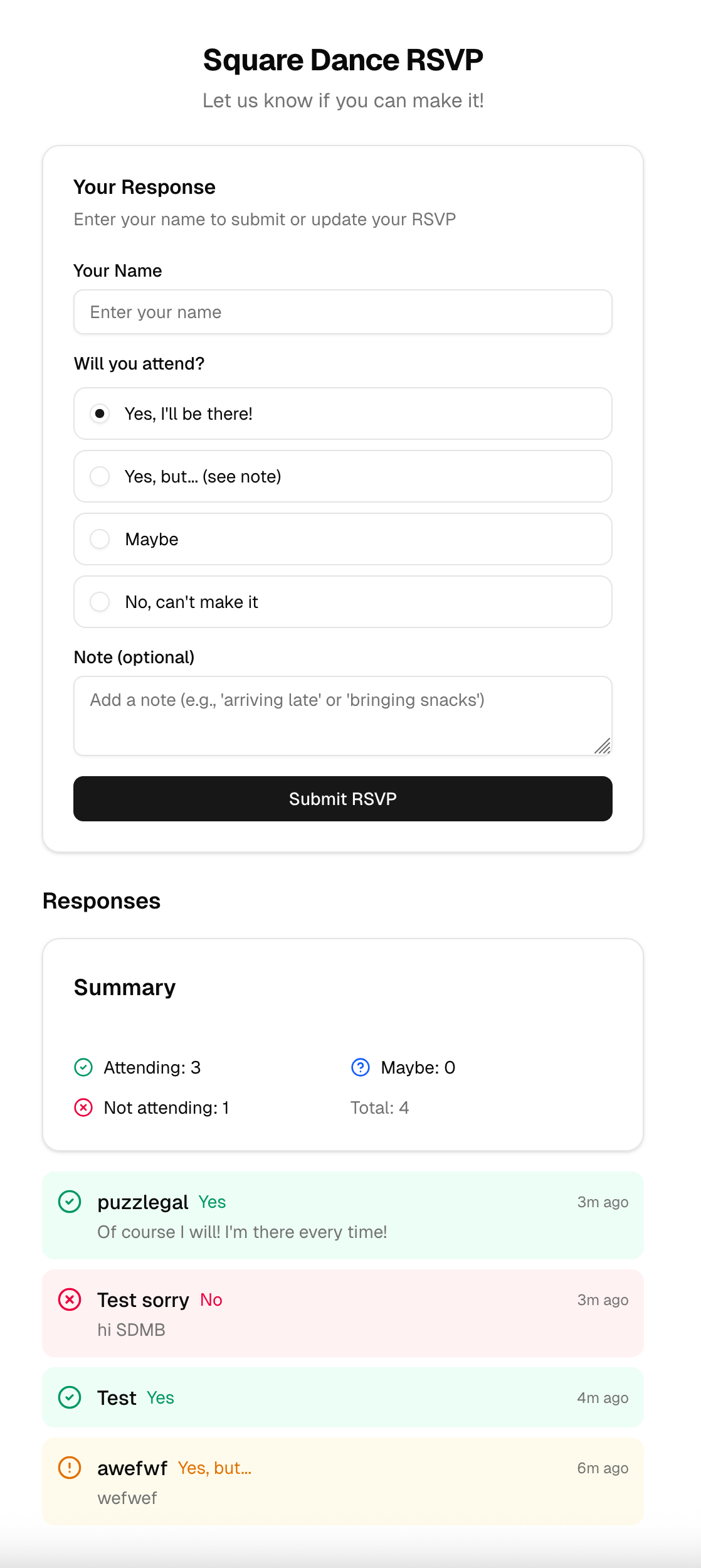
In the past, spreadsheets were the generally-accessible lightweight automation tool for individuals and orgs who couldn’t afford a proper programmer. But now code is cheap/free, so that’s no longer a barrier. You don’t really need to know any programming or database query languages to make an app anymore. That example app had the AI automatically making all the pages and the underlying database and queries.
I don’t think this will happen overnight, mind you, but I do think it’s kinda an inevitability. Spreadsheet knowhow (and general computer knowledge) is already drastically decreased after the Millennials. I would not expect tomorrow’s kids to have ever used Excel, but all of them will have grown up asking AI to do whatever they need on their phones.
Here’s a timely anecdote of an industrial piping company learning AI and replacing their previous bill of materials workflow (which presumably had some spreadsheets, though he’s not explicit about that) with a vibe-coded app that automatically reads drawings and enumerates the needed materials: tweet
This was done by a mechanical engineer with no prior software experience:
He built a full application that industrial contractors are using every day. It reads piping isometric drawings and automatically extracts every weld count, every material spec, every commodity code.
Work that took 10 minutes per drawing now takes 60 seconds. It can do 100 drawings in five minutes, saving days of time.
His co-workers are all mind blown, and when he talks to them, it’s like they are speaking different languages.
His fabrication shop uses it daily, and he built the entire thing in 8 weeks. During those 8 weeks he also had to learn everything about Claude Code, the terminal, VS Code, everything.
My favorite quote from him was when he said, “I literally did this with zero outside help other than the AI. My favorite tools are screenshots, step by step instructions and asking Claude to explain things like I’m five.”
There are a bunch more anecdotes in that thread from tradespeople, oil drillers, etc.
Yeah. As much as I hate how AI is rapidly consolidating power and wealth into ever-fewer companies, I’m also kinda excited to see this resurgence of the 80s and 90s style hacker ethos, where people were willing and excited to learn to make their own simple apps for niche uses.
That can-do attitude sort of died out after FANG took over the world and Chinese gaming-gambling companies took over the app stores. It’s nice to see it come back through vibe coding.
I don’t think they’ll altogether replace spreadsheets any more than they’ll replace the idea of a “document”. Spreadsheets are an often useful way of organizing and displaying information, sometimes interactively. But when people are trying to solve a problem, they’re no longer limited to (or at least defaulting to) just spreadsheets.