The 1951 song “It’s Beginning to Look a Lot Like Christmas” mentions a girl named “Jen,” which to modern ears sounds like a 70s name at earliest.
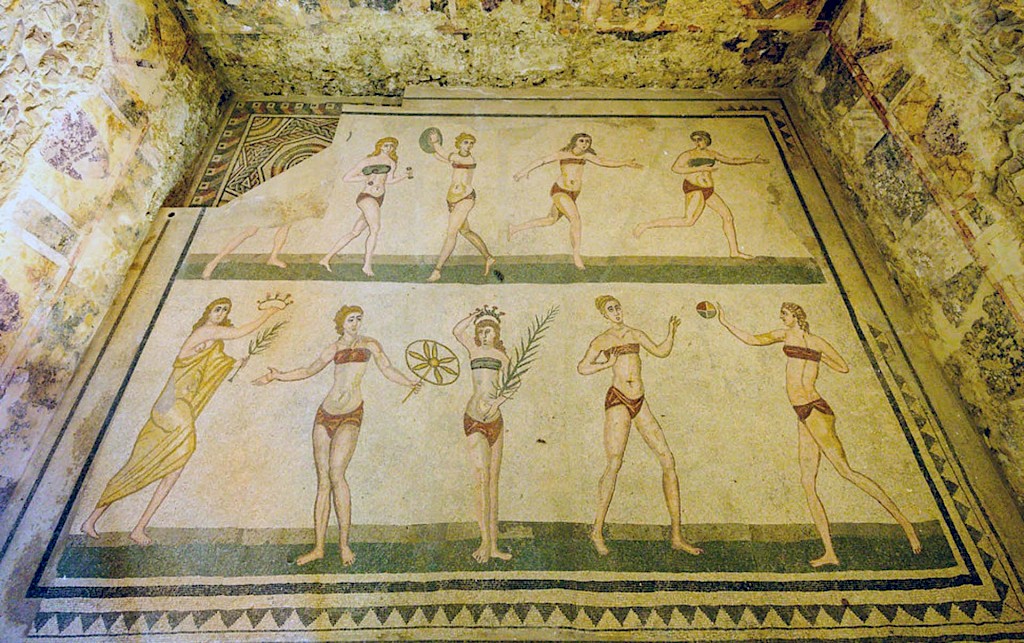
The Villa Romana del Casale is a large Roman villa in Sicily dating from the 4th century AD. One of the surviving mosaics depicts young women exercising or playing games while wearing what looks very much like modern bikinis.
The other way around, AFAICT. The classic “green eyeshade” visor became popular in the late 19th c. (and the green-shaded “banker’s lamp” a bit later?), to cope with eyestrain induced especially by the harsh early versions of incandescent lighting. (They also took advantage of the fairly recently developed fancy new material called celluloid to make the visors light and inexpensive.)
In both cases, the use of green light filters to reduce eyestrain seems to have naturally grown out of familiarity with the use of green spectacles for that purpose.
I’ve seen these mosaics before (in a TV documentary), and I was baffled to see ancient Roman girls playing volleyball in sport bikinis.
No, but they were getting a surprising amount of their consumables from what were essentially fast-food joints (thermopolia, “hot shop”, from a Greek loan-word for the same concept). You had a small room with a wide counter containing a few pots embedded in it, and on the front of the counter some advertising frescoes depicting the kinds of foods you could get. Walk up to the counter, look at the pictures, decide on your order, and pay your money. The typical Roman apartment-dweller would feel right at home in a modern McDonald’s.
ala “Diamonds are Forever”
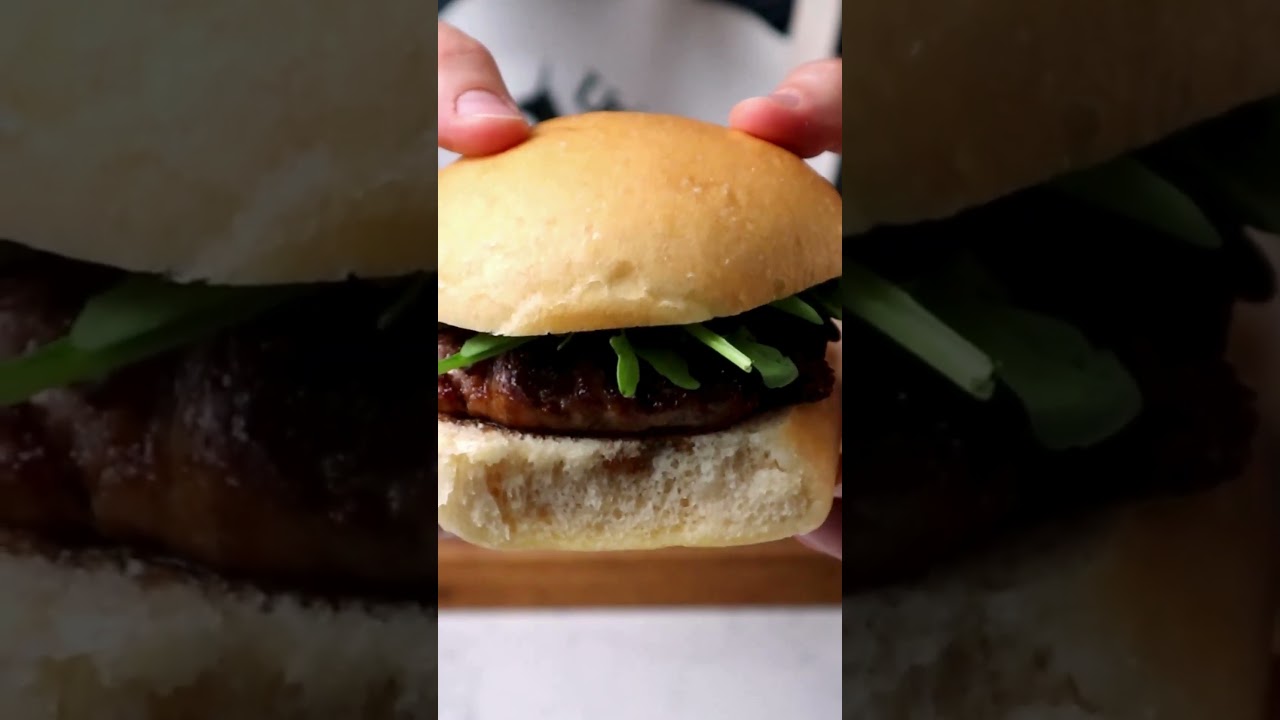
And if you ordered “isicia omentata”, you would get a dish that looked about 95% like a modern hamburger.
Yep. I used those as evidence when some fanboys pooh-poohed the LotR Film line “Meat’s back on the menu boys!”- because those wall frescos were a menu. I would guess those foods would be a bit more healthful than McD’s, however?
I mean, “healthful” is a quality affected by many factors. Doubtless the Roman thermopolia offerings were less focused on the deep-fat frying, but on the other hand they probably didn’t clean and inspect the kitchen so scrupulously.
Cleaner, sure. But less sugar (no sugar at all in fact), and less fat.
“This wenche thikke and wel ygrowen was,”
– Chaucer The Reeve’s Prologue and Tale
I’ll take sugar and fat over E. coli.
I thought I saw her standing there?
Have to remember that most Romans ate at thermopolia because unless you were rich Roman houses did not have kitchens.
Given all the talk about AI agents doing your work for you, this Doonesbury strip sounds like a commercial.
Alex, Mike’s genius daughter, is explaining to Kim via email how an agent would do all the planning for a trip by Mike.
It would recommend a visit. Then it would notify his boss, alert the home security company, stop newspaper delivery, book tickets, make restaurant reservations, and check on the weather in Paris.
I left out “arrange child care for me” because that would be a tipoff that the strip isn’t recent but appeared on August 4, 1996.
Both ancient Roman gladiators and fast-food style stands have been mentioned. Speaking of- from what I’ve heard, the experience of a spectator going to the Coliseum to see the day’s gladiatorial games, and partaking in the food and drink from stalls located in and around the stadium, was probably not very different from attending a modern football or baseball game. The Emperors even had food and trinkets thrown into the crowd occasionally; kind of like modern t-shirt cannons 
That’s really cool! One of our nuns was Sr. Eucharia. Easy to see where that came from.
On the other hand Nymphadora isn’t used much anymore.
Indeed:

No E.Coli yet, the dangerous strain per Wiki-
The common ancestor of Escherichia coli O157:H7 was found to have originated in the Netherlands around 1890 as estimated by molecular biologists. It is thought that international spread was through animal movements, like Holstein Friesian cattle.[29] E.coli O157:H7 is thought to have moved from Europe to Australia around 1937, to the United States in 1941, to Canada in 1960, and from Australia to New Zealand in 1966.[29]
The first recorded observation of human E. coli O157:H7 infection was in 1975, in association with a sporadic case of hemorrhagic colitis, but it was not identified as pathogenic then.[30] It was first recognized as a human pathogen following a 1982 hemorrhagic colitis outbreak in Oregon and Michigan, in which at least 47 people were sickened by eating beef hamburger patties from a fast food chain that were found to be contaminated with it.[31][32][30]
But plenty of other bad stuff.
One other thing, I just read a trivia that claimed Heron of Alexandria invented the first steam engine. Nope- an “engine” does work, Heron’s invention was a toy, or an experiment.
First actual “engine” or working version was by Thomas Newcomen in 1712 or so.