I’ve been reading a few r/navy threads on this on Reddit. In one of them somebody pointed out that they wouldn’t pull the only active carrier in Asia out of its deployment and send it thousands of miles to relieve Lincoln if things were not actually bad.
It’s not clear to me from reporting if GW is replacing Lincoln as an unplanned relief or as part of an already planned relief.
I’ll take “unplanned” for a thousand…
Just kinda curious. And since we have some sailors here - Ocean passage Japan to the Strait is ~ 7000 miles. These carriers can go 50mph at top speed (I think). But I doubt they can sustain that speed for a long time. (I don’t know if the GW is near Japan, “Asia” is sort of big  )
)
So would 25mph be reasonable for such a transit? It seems to be sort of an emergency.
(I know I should be talking knots not mph. And nautical miles, but don’t feel like doing the math)
Like I mentioned in another thread, cruising speed for the fleet would 20 knots or 23mph. The Carrier doesn’t need to worry about fuel, but the escort fleet does. Maybe a hair higher to achieve 500 miles per day.
A good overview of the Navy’s current logistics problems. Answers a lot of “why didn’t they…”, “why can’t they…” in this thread:
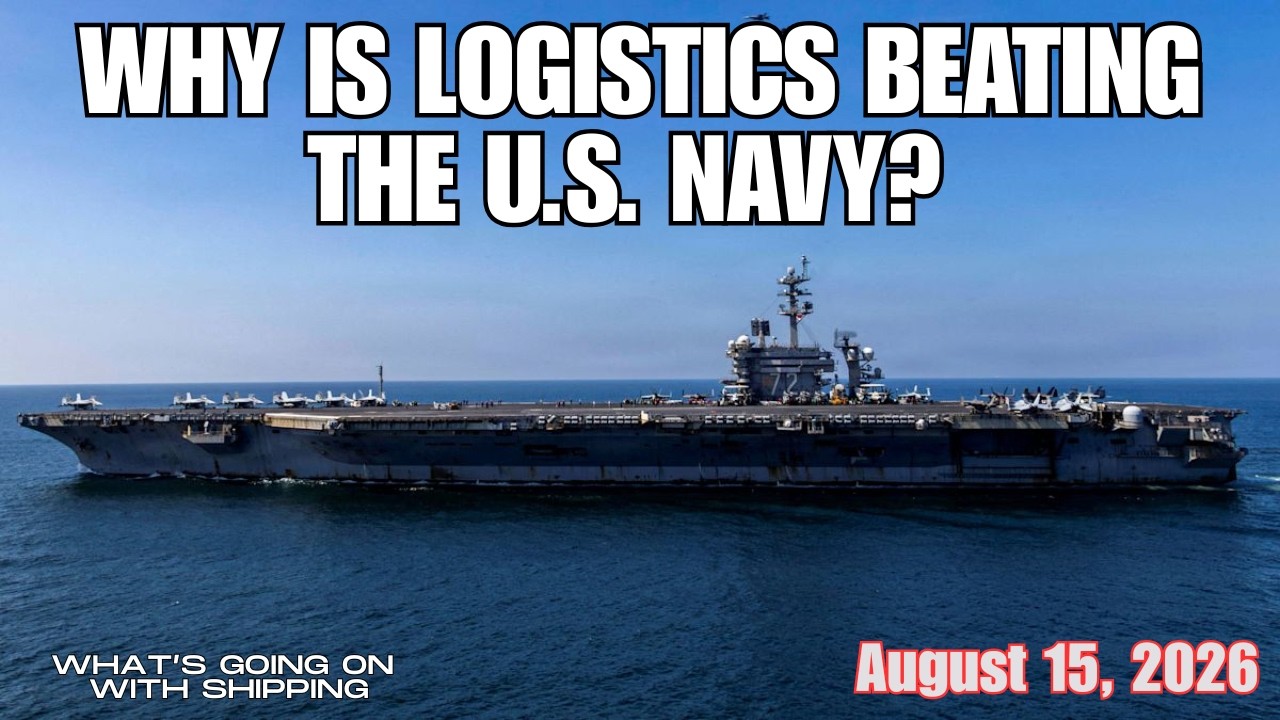
Missed this over the weekend:
Trump was asked by reporters Friday whether the USS Lincoln’s deployment had gone on too long.
“No, not nearly long enough,” Trump said.
So, this is the Republican party position, in case anyone was curious. Should have kept them deployed longer.
No. Jumping and then “getting fished back out” is going overboard. It’s perhaps an attempted suicide, but a successful “going overboard.”
It’s a good bit less than that.
Have the sailors on the support ships been stuck on them the same amount of time as the guys on the carrier? I imagine they’re suffering from the same deprivations, but in a smaller space, plus probably being jostled by the waves the whole time. Fuckin’ Kegbreath…
Oh, I forgot about the escort fleet. Do oilers travel with them?
And here we go again, they might run out of food too. What a cluster.
Right, I got km/h and mph switched around.
Obviously the reporting of “attempting to jump overboard” is incorrect, because attempting a jump is, as you point out, a nonsensical notion. The press reporting that has made some mistake. I’m just guessing at the most likely nature of that mistake.
They fished him out after he allegedly jumped overboard.
If someone is standing on the edge and intentionally teetering over or making a run towards the edge and in either case is grabbed by a fellow crewman before they are successful, isn’t that attempting to go overboard?
Summary for those who can’t be bothered:
Dr. Sal Mercogliano is a history professor at Campbell U in NC and an adjunct professor at the US Merchant Marine Academy. He’s well-credentialed in this space.
From SecNavy, who released a bullshit “everything is fine, our troops are tough” statement – 266 days deployed, 200 days in a combat zone. Logistics network in the region works for “peacetime” but is not set up for extended combat posture.
Currently more than 1/3 of combat vessels are deployed – ideal is 1/4 in combat ops so you can rotate effectively for maintenance and supply management. More than 2 dozen combat ships operating in the area, all at combat ops tempo, meaning higher resupply needs.
Previous extended combat missions (Korea, Vietnam, Iraq/Afghanistan) have relied on forward operating bases (Japan, Philippines, and Bahrain, respectively). Losing Bahrain was a big deal (in another source I saw the estimated repair costs for Bahrain were over half a billion dollars, the damage was extensive).
Dr. Sal cites with ship counts that the Logistics fleet has been atrophying since the end of the cold war. Specifically, Naval-crewed ships that used to provide supplies used to be backed up by civilian-crewed ships that would bring supplies to the forward ports. The Navy eliminated a lot of the Naval-crewed ships, meaning all that’s left are civilian-crewed ships that can only operate close to forward ports – a problem if your forward port is destroyed.
He also points out that having to resupply from Diego Garcia is exponentially harder than it looks like just based on distance – “The Tyranny of Distance,” he calls it. The distance is a problem in terms of getting supplies there, yes, but perishable items begin aging out as soon as they leave port, exacerbating any loss issues. Its isolation is also a factor because getting supplies to Diego Garcia in the first place is much harder than getting them to a major forward operating base like Bahrain. (It took the US 3 years to solve supply chain issues in the Pacific Theater, and that’s with the USA already being engaged in a mindset of “total war.”)
He closes briefly by touching on morale, but what he doesn’t say is what other posters here have already said – combat operations are just different. Hours are longer, maintenance gets deferred because crews are manning combat stations instead of cleaning or repairing things, supplies get used up faster, etc.
I agree with whoever said upthread that blaming the Navy is to ignore how big of a hole the administration dug themselves into in a shockingly short amount of time. Burning bridges with mid-East allies, allowing our forward bases to get destroyed, pushing ships and crews well beyond what they’ve been postured for over the last 30-35 years. SecNavy is obviously a MAGA piece of shit, but the other Admirals I’ve looked up have been normal career naval officers who were probably content to kiss the ring. Further down, the MAGA rot gets less and less pronounced.
So I think the actual commanders dealing with these resupply issues are competent and doing the best they can in an impossible situation that the dumbest people on the planet have put them in – partly a result of poor governance over the last 40 years, but mostly as a result of Israel conning Trump and his idiot friends into starting a war they can’t win in the dumbest way possible.
Great post
Yeah, really good analysis.
Thank you for that.
And if that isn’t enough [it really is] … he’s also this guy:
Which is pretty cool stuff, considering it’s a facially pretty niche topic.
There are a few things we are not getting full information about. Quite a few, actually. Rumor has it that trillions of dollars of damage have been done to American bases across the middle east and hundreds of deaths are going unreported in the USA.
We do not know quite a bit; but there are indications which we can read. A supply depot which is not supplying, for instance.