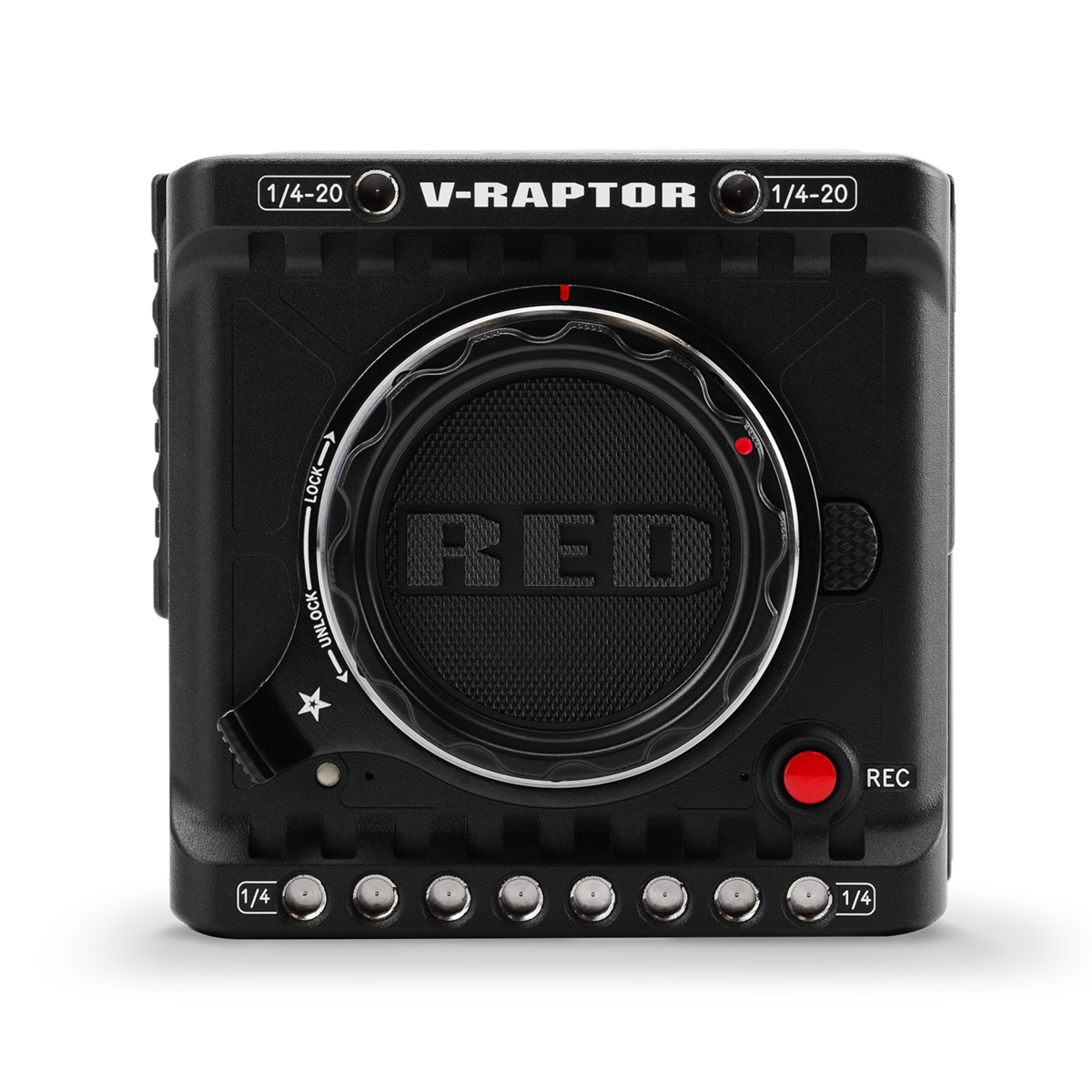
So, on Apollo 12, Alan Bean famously destroyed the mission color video camera by inadvertently pointing it at the sun. That camera had a delicate image pickup tube that got obliterated, killing surface video of the mission.
A friend of mine and I were talking about the videos of the eclipse, and I mentioned that incident, and they contend a modern video camera with a telephoto lens and no filter at all would survive such a thing. I think she’s mistaken.
(We’ll handwave away how you’d hook one to the other, but just assume there’s a way.) You’re setting up to video the eclipse before the eclipse begins, point that setup at the sun, but screw up and there’s no sun filter. Is the equipment destroyed or disabled? If yes, how many seconds or whatever before the CCD or other components are injured irreparably?
The camera’s operation manual cautions against pointing it at the sun, even without a 16.5 kg lens (!).
“DO NOT point the camera directly into extreme light sources such as
the sun or lasers. Permanent damage to optical path or sensor may
occur, which is not covered by manufacturer’s warranty.” (Safety Instructions, page vii)
I’ll include the link to the operation guide instead of directly linking to the ~150MiB PDF.
The focal length changes the image size on the sensor, but the diameter of the lens is what determines the light gathered. Clearly one would stop the lens down, but that will be way too little. The f number the lens is working at tells you the areal energy density on the sensor, not the focal length.
The sun is bright enough to totally cook the sensor.
It won’t fail instantly like the Apollo camera. But the thermal stress could cause it to fracture, and if not, get hot enough to degrade and kill the on sensor electronics. This could happen much faster than the time you have to realise there is a problem.
Many years ago, after an eclipse, we had a show and tell meeting of our local astronomy club. One guy was showing off his eclipse photos, and was asked what the other circles in the photos were.
“Ah, they are holes in the shutter.”
In general yes. The spot will be much smaller (4.2% across), but 16 times as bright, Obviously stopping down the 50mm lens to f 5.6 yields spots of the same brightness.
For extended sources, it is the f number that matters.
This is annoying as for point sources - eg stars, it is the diameter of the lens or mirror that matters.