Is there any classical music, say pre-1900, that used that classic blues shuffle beat? I think it’s a triplet beat that skips the middle note of the triplet, right? Or, maybe a 6/8 time signature that skips 2 and 5? Anyway, you know what I mean.
The fast theme of the third movement (Scherzo) of Brahms’ Piano Quintet in f minor is in a dotted rhythm that resembles, say, the shuffle beat of the Stones’ “Midnight Rambler”. Is that close enough? I’m sure there are thousands of such dotted rhythms among the “classical greats” (well, Brahms is Romantic-era), but maybe they don’t “swing” enough to qualify.
Yes.
To clarify, I’m referring to the softer recurring bit that usually repeats a single note, not the louder bit with a more complex melody (though that’s dotted too, just not as easy to notice this).
I’m not sure I fully understand what the beat is you mean, but it seems to be like the siciliano rhythm like in the famous Siciliano in Bach’s flute sonata or Faure’s sicilienne.
I’m not convinced that anything here swings enough to qualify. There was no concept of swinging back then, which is essential to a shuffle beat. You can write out a shuffle, and you can play it as written, without it having any swing at all. A shuffle is about feel, a feel that didn’t exist pre-1900.
Another thing to consider - an essential part of a shuffle is accenting the 2 and 4 of the measure (or 3 if it is a half-time shuffle). You don’t generally see that in classical music.
I lean toward agreeing with you. Syncopation, though, does appear in “pre-1900 European art music” (including in the Brahms piece I cited), especially when it is inspired by folk dance music (e.g., Brahms’ Hungarian Dances).
Ragtime is an interesting bridge, in terms of era, style (e.g., hard syncopation, and bluesy sevenths), and social “level” (between folk and “serious”).
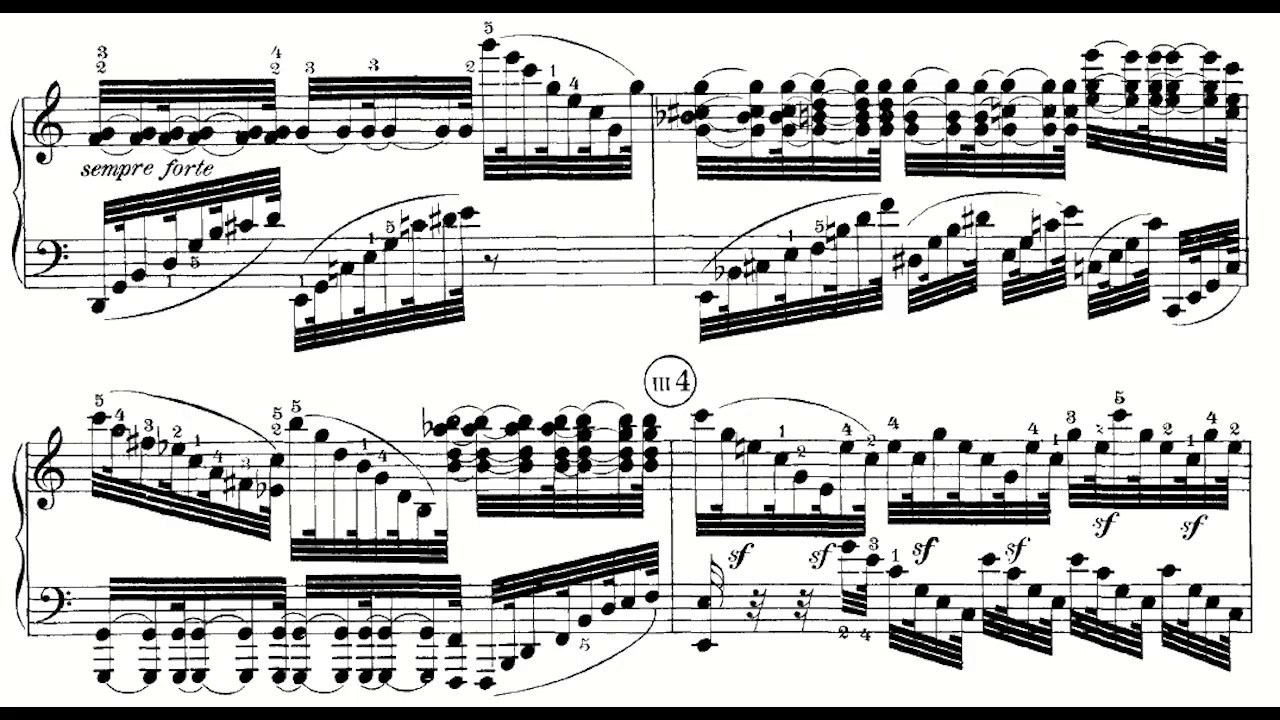
@Hoops - That Beethoven piece is wild. A century ahead of its time!
Indeed it is. In fact, musicians with a jazz background often swing ragtime a little more than is authentic. The pleasing sound of swung notes is pretty much ingrained into all of us now, but it wasn’t back then. And ragtime doesn’t have an emphasis on 2 and 4 because that hadn’t become a thing yet. That would emerge in blues music.
Interesting points about swing not really being invented before 1900, and the 2-4 backbeat being created by blues. You’d think the space would have been fully explored with how long music has been around.
This has been a really interesting thread for me. Thanks, everyone!
Well, you did specify “classical music,” i.e. European art and church music. This is pretty specific to place and cultural register, and perhaps to era (even using a broad idea of “classical”).
Look to Africa (and surely to other continents) — and folk musics in general (even in Europe) — for much older examples of shuffle grooves that swing.
The companion CD to Gerard Kubik’s book Africa and the Blues is a good start. I’ll find the recording of a Tikar woman singing as she uses a grinding stone to play a shuffle beat. It was recorded circa 1950, I think, but surely this sort of thing was being played for centuries.