Not in the Great War, and generally not in dogfights. Fighter pilots found it better to aim the whole plane.
Interesting. However, it was found that 20mm guns (in WW2) were best, the 37 mm gun on the P39 was considered almost useful in air to air combat, although the Ruskies liked it for ground attack.
Didn’t the Americans try this with Thompsons?
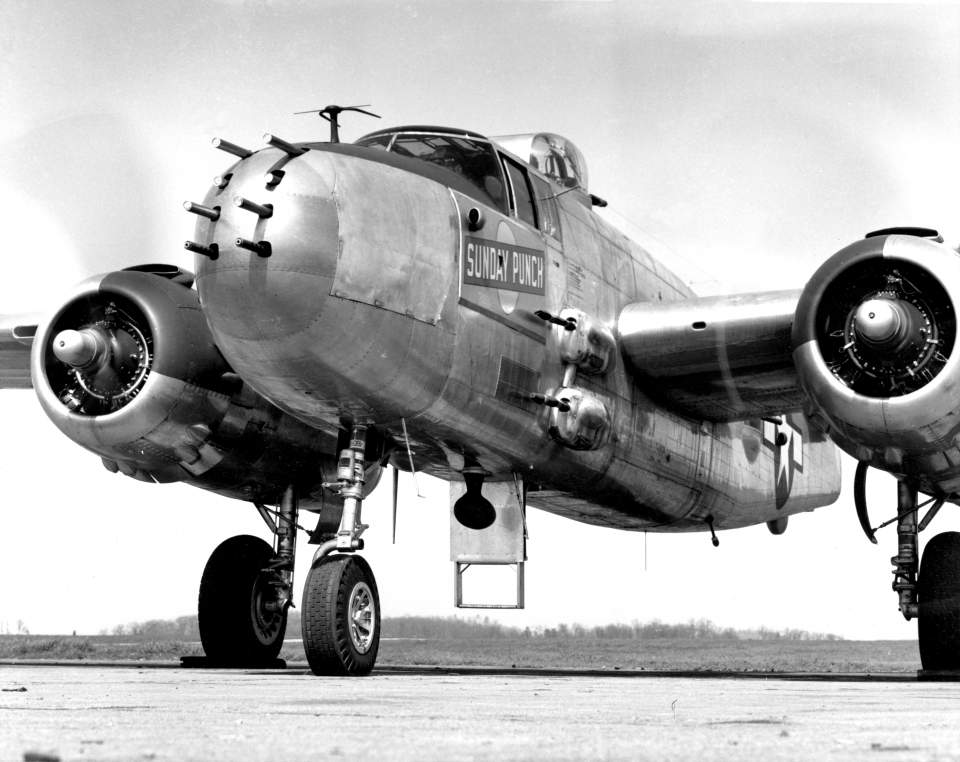
The B-25G replaced the bombardier’s glasshouse with a nest of 50-caliber guns, then cannons, to fly around and shred Japanese shipping.
The P-39 was largely an air superiority fighter; in fact by some counts it shot down more Axis fighters than any other American-designed aircraft. The reason it was so useful to the Russians but the USAF didn’t like it is that it lacked a supercharger, rendering it useless for high altitude operations. Air combat on the Eastern Front tended to be fought at lower altitudes, I believe largely because there wasn’t the strategic bombing campaign the Western front had, so the P-39 was fine for that.
This question reminded me so much of Harry Turtledove’s Guns of the South
It’s been quite a long time since I read it, but if you’re interested in this kind of “what-if?” you might find it fascinating.
However, flying doghouses were never all that maneuverable, so they weren’t the optimal aircraft for dogs to fly in their dogfights.
Even before that, in 1913 two mercenary pilots in the Mexican civil war shot at each other with pistols, but neither were hit. Too hard to aim, maybe? Nope! They were friends who missed on purpose too make a show of following orders.
Heretic! Snoopy flew a Sopwith Camel! It only looked like a doghouse!
Ah the good old days.
Read “Hawk Among Sparrows” for a modern jet fighter vs. WW1 aircraft
Yes it’s been a long standing myth that the P-39 was used by the VVS as a ground pounder but this seemed to stem from a translational issue; them referring to it in a “ground support” role. Ground support is in engaging enemy A/C to protect their own ground forces, not ground attack. In the low to mid altitude role it performed quite well: fast and maneuverable. It was not uncommon for the VVS pilots to have ( on the earlier D models ) to have the 4 wing mounted .30 caliber guns removed, so as to go into combat even lighter with just the two synchronized .50 caliber guns and the M4 cannon.
The Alison V-1710 engine did in fact have a supercharger, but rather a single speed/stage one, not a two speed one. But as combat in the eastern front took place at lower altitudes, this was not an issue.