Popular writer of spy novels, cooking books and more died on March 15.
Though he was probably not as good an all round writer as John le Carré, he had a certain focus on the themes of trust and betrayal, and skill when writing on these themes, that has left the deeper impression on me over the years.
I have a lot of his books around somewhere, what I recall after years of not reading any of them:
Berlin Game/Mexico Set/London Match: his magnum opus. Bernard Sampson face interoffice scheming and professional and personal double-dealing around the world, and he himself is not a completely trustworthy narrator. A second trilogy retcons the plot of the first trilogy as a planned triple-cross (to bring on the fall of the Wall). Yet a third trilogy deals with the personal aftermath for the main characters in the post-cold war. All readable but with diminishing returns.
Berlin Funeral: my favorite of the “unnamed spy” series, dubbed Harry Palmer in the movies starring Michael Caine. Twisty play of betrayal and counter-betrayal in the divided former (and future) capital. AFAIR the movie dropped some of the twists.
Goodbye, Mickey Mouse: about a US Mustang Fighter Group stationed in England during WW2, focusing on the four pilots in a specific flight.
Winter: About a German family in the years of rising Nazism and then WW2. I found it interesting that Deighton had the funny, good-natured brother end up as lawyer for the Nazis, attempting to paper over the Nazi leaders responsibility for the Holocaust. Whereas the somewhat stiff and also more arian looking brother becomes an allied agent. Also, several characters with family ties to characters in Game/Set/Match.
I’m sure I’ve read some of his books in the past, but can’t recall them. I suspect at this point it would all be new to me, so perhaps I’ll revisit him.
I like Deighton a lot, both for the Bernard Samson and “Harry Palmer” series, but also his war novels. (Although haven’t read Bomber, which is widely praised as his best).
In 1940, he saw his mother’s client - Anna Wolkoff - dragged off by the British Security Services and accused of being a wartime Nazi spy. “It was a major factor in my decision to write a spy story at my first attempt at fiction,” the author later recalled.
He did his National Service in the RAF - where he learned spy skills including photography, flying and scuba-diving - before working for brief periods as a railway clerk and an air steward.
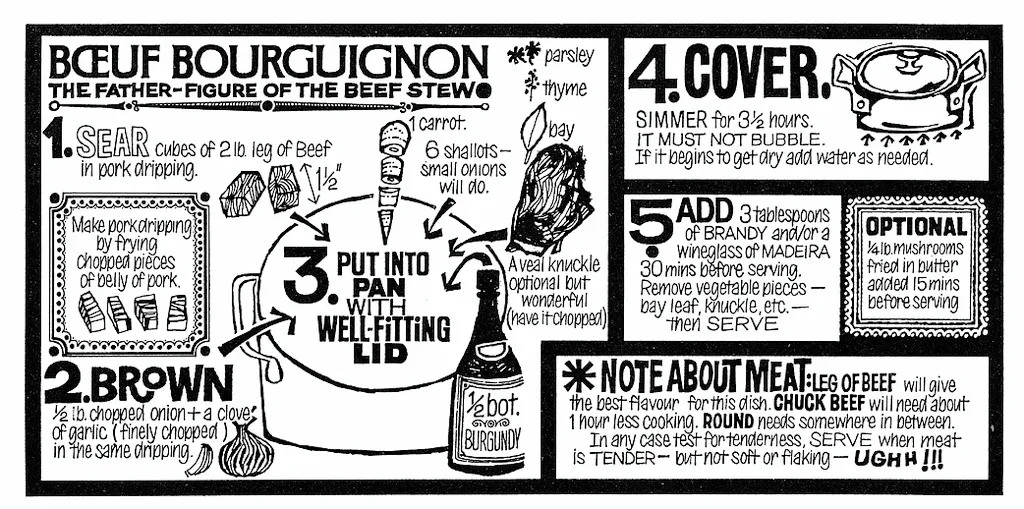
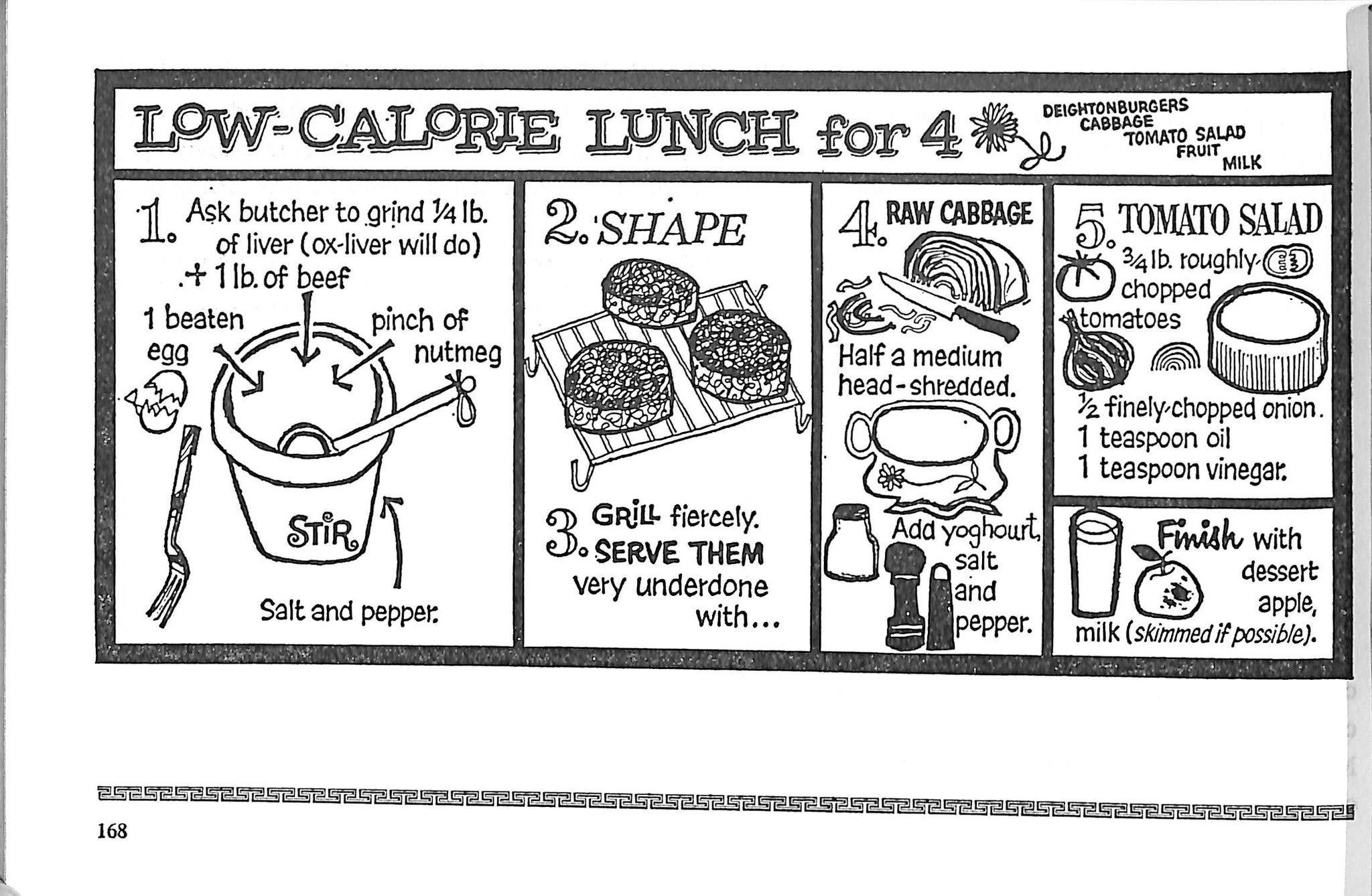
A lover of good food, he wrote and illustrated a cartoon cookery strip for the Daily Express, which transferred to The Observer in 1962…
Deighton took a keen interest in the filming and was often on set, where he and Caine became great friends.
In the scene where Michael Caine is making omelettes in the kitchen, it is Deighton’s hands which break the two eggs simultaneously as the actor was unable to get the hang of it.
In 1969, he co-produced and wrote the screenplay for the film adaptation of the satirical musical, Oh! What a Lovely War. He persuaded actor Richard Attenborough to make his directorial debut on the film…
Ultimately, he was unhappy with the way the film turned out and insisted his name was removed from the credits, something he later described as a childish decision. He did, however, endear himself to the film crew when he successfully hot-wired a number of cars parked in a street that needed to be cleared for filming.
Deighton rarely gave interviews and never considered himself a natural writer. "The best thing about writing books, he said on the BBC’s Desert Island Discs programme, "is being at a party and telling some pretty girl you write books. “The worst thing is sitting at a typewriter and actually writing the book.” But, from time to time, he said, being an author has its advantages. “When you make a book,” he once said, “it’s like making a hand grenade. It’s a dull process but when you throw it the person at the other end gets the effect.”