I know that people used to move buildings extraordinary distances. A church in my home town was apparently moved across a river to get there.
But this is a new wrinkle – in Shanghai they fitted an 85-year-old building with pneumatic “feet” and essentially “walked” it to a new site.
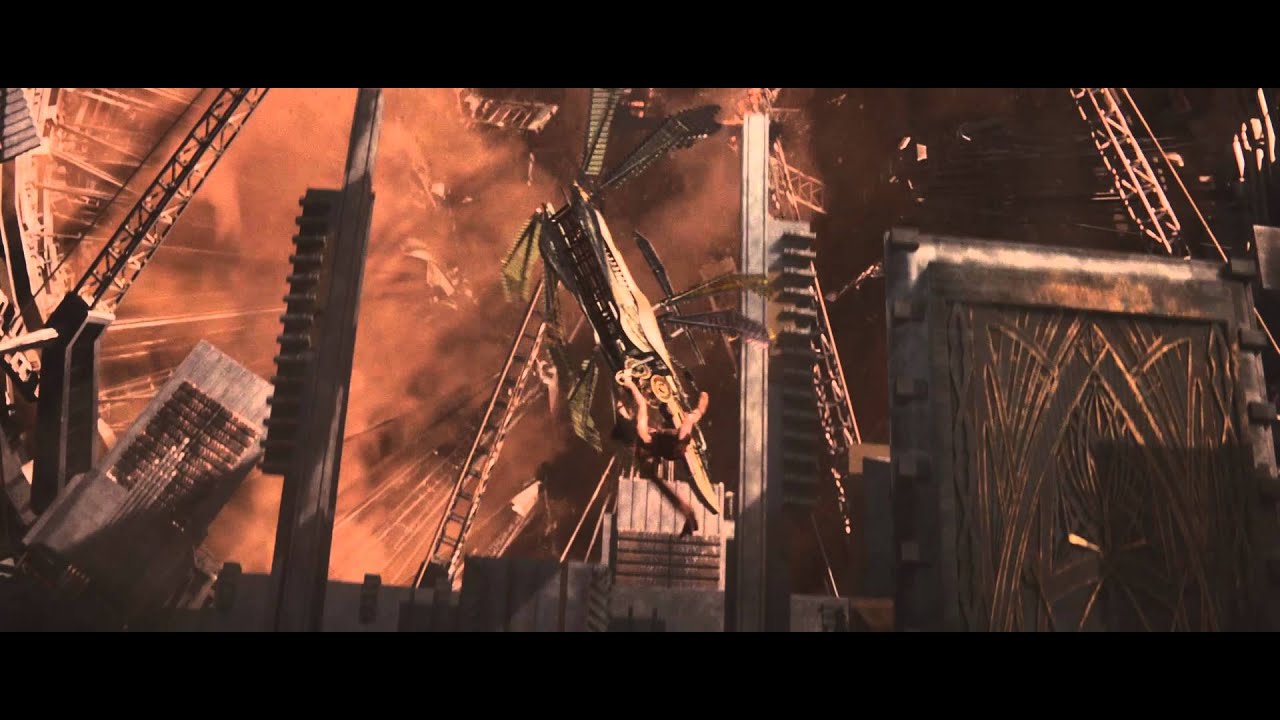
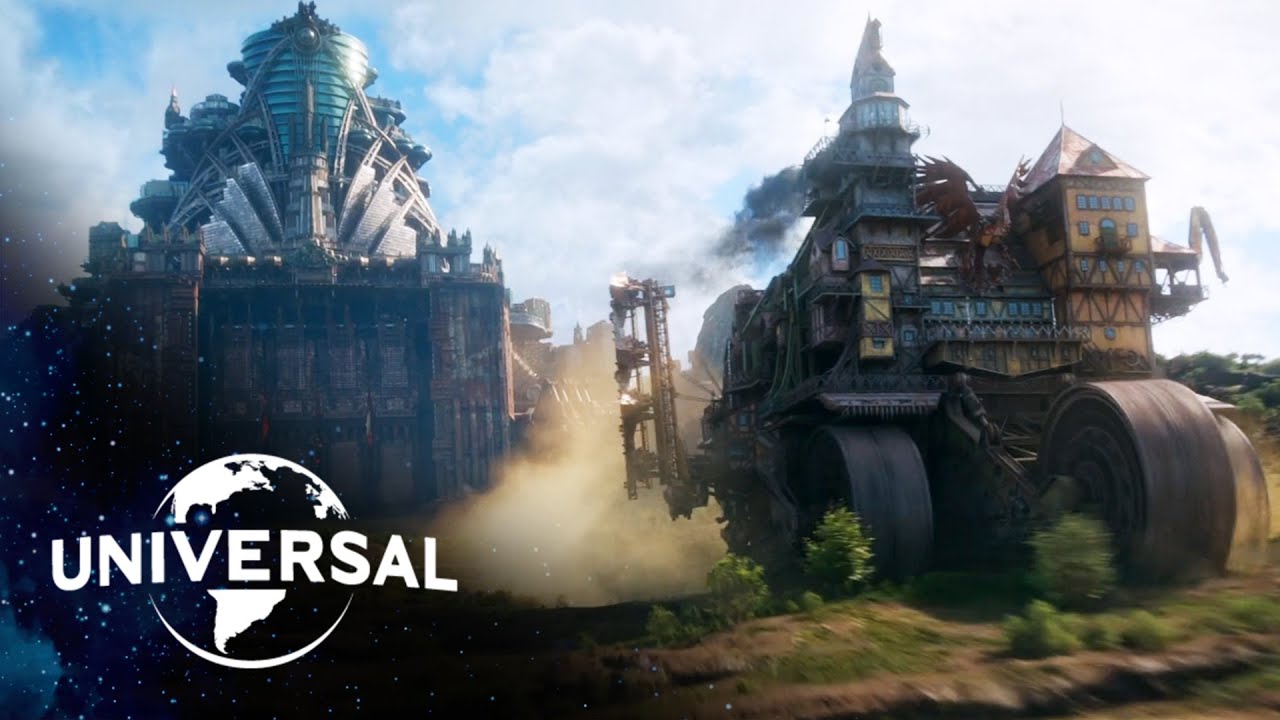
Reminds me of those “moving cities” in science fiction, which, with the advent of CGI, are now being incorporated into movies.
Like Zodanga in John Carter of Mars
Or London and other cities in Peter Jackson’s Mortal Engines
(although I admit that this is the most fun – Honest Trailers - Mortal Engines - YouTube )
That’s pretty neat.
More amazing: after the 1900 hurricane swamped Galveston, 2,000 buildings (500 city blocks) were raised 8-17 feet using hand-turned jackscrews, after which they poured in massive amounts of fill under them to permanently elevate the city - all while maintaining water and other services.
Not bad for early 20th century technology.
Jackmannii:
after the 1900 hurricane swamped Galveston, 2,000 buildings (500 city blocks) were raised 8-17 feet using hand-turned jackscrews, after which they poured in massive amounts of fill under them to permanently elevate the city - all while maintaining water and other services.
Sounds a bit like what happened with Underground Seattle. They raised the area around Pioneer Square by a story, turning the original first floors into basements:
After the Great Seattle Fire of June 6, 1889,[1] [2] [3] [4] new construction was required to be of masonry, and the town’s streets were regraded one to two stories higher. Pioneer Square had originally been built mostly on filled-in tidelands and often flooded . The new street level also kept sewers draining into Elliott Bay from backing up at high tide .
For the regrade, the streets were lined with concrete walls that formed narrow alleyways between the walls and the buildings on both sides of the street, with a wide “alley” where the street was. The naturally steep hillsides were used and, through a series of sluices , material was washed into the wide “alleys,” raising the streets to the desired new level, generally 12 feet (3.7 m) higher than before, in some places nearly 30 feet (9.1 m).
At first, pedestrians climbed ladders to go between street level and the sidewalks in front of the building entrances. Brick archways were constructed next to the road surface, above the submerged sidewalks. Pavement lights (a form of walk-on skylight with small panes of clear glass which later became amethyst-colored ) were installed over the gap from the raised street and the building, creating the area now called the Seattle Underground.
The Seattle Underground is a network of underground passageways and basements in the Pioneer Square neighborhood of Seattle, Washington, United States. They were located at ground level when the city was built in the mid-19th century but fell into disuse after the streets were elevated. In recent decades, they have become a tourist attraction, with guided tours taking place around the area.
At approximately 2:20 p.m. on June 6, 1889, an accidentally overturned glue pot in a carpentry shop star...