So I’m watching one of the Roku channels, American Horrors, and a My Pillow commercial pops up. It starts with ol’ Mike blathering about “cancel culture”, then he talks up his “deal” where with a promo code you get the king-sized pillow for $59 instead of $99…only the supposed $99 price is imaginary and $59 is the actual regular price. I thought he had gotten into a bit of trouble when he pulled this scam of broadcast and cable tv?
Anyway, is internet television regulated in any way when it comes to what is said and/or shown?
I cannot answer your question, but I sent a complaint about that self-same thing to a television station (over the air), and I haven’t seen a Lindell commercial since.
I already have a good idea about how over-the-air and cable television is regulated.
Sorry, bro. Just giving the information I have handy.
How about tigers? Have you seen any of them?
I seem to recall that in the US, streamers aren’t really regulated.
I kill tigers for fun.
It’s my understanding that they’re pretty much not.
False advertising would be something you bring to the FTC, no? I don’t think it matters if it’s on broadcast, cable, or billboards.
Wouldn’t it be up to the Federal Trade Commission to regulate lying commercials? Of course, Lindell is so trustworthy.
Who the fuck pays $59 for a pillow? I mean, is this a special nanomolecular dual ionic pillow that uses advanced heat transfer mechanisms developed by NASA scienticians to keep the hot side hot and the cool side cool?
Stranger
The LinDLT.
Ah, the thermoelectric pillow.
I’m pretty sure Mike Lindell’s addled brain couldn’t produce the word “thermoelectric” if it were spelled out phonetically in front of him.
Apropos of almost nothing:
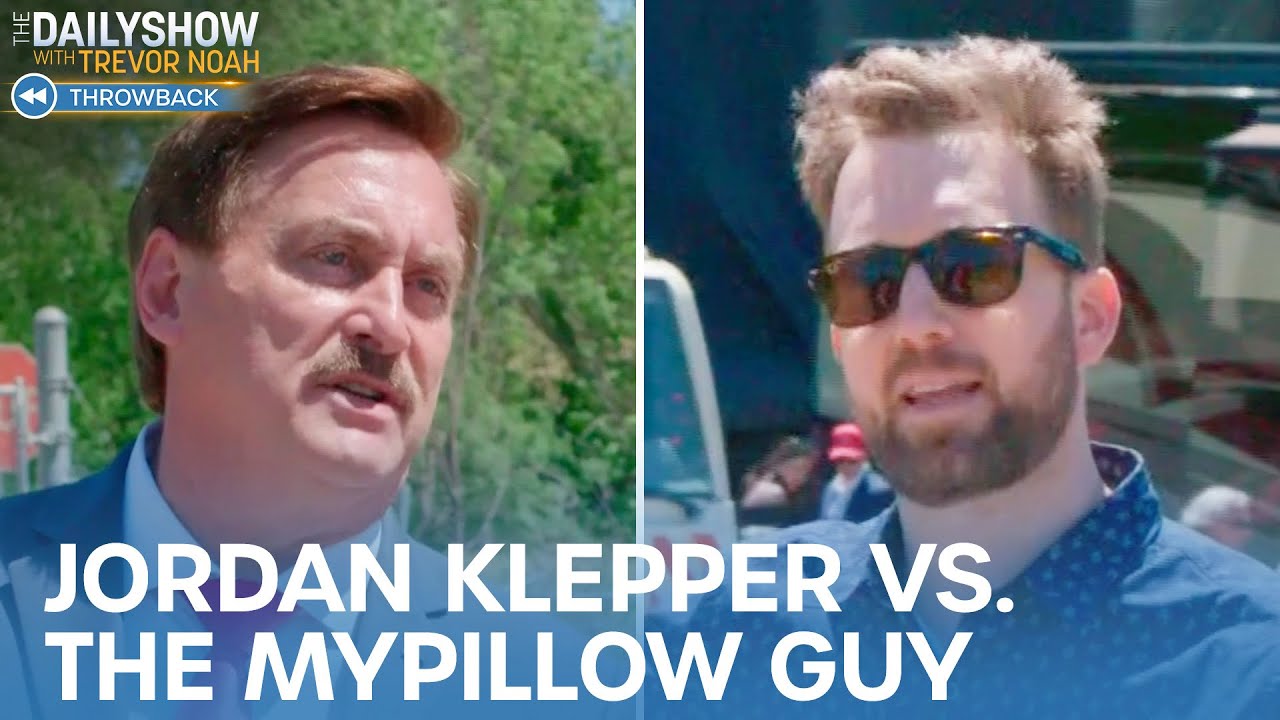
Stranger
I recently went to Kohls and there was only two options for pillows. A regular $5 “Big Pillow” they sell, and the rest were various $50 pillows with “advanced cooling” features, and they had about 20 variations of that.
Yeah, false advertising is false advertising regardless of the medium.
Are there examples of the FTC acting against false commercials on the internet and/or, more specifically, against internet television commercials?
I thought you could get away with the “We normally sell it for $50 but claim it’s MSRP is $90 discounted!” by selling it SOMEWHERE at full retail price.
Like MyPillows are sold at some factory outlet for full $90 price.