Tübingen itself is worth ‘a few days’ of looking around if you are not in the mood to travel widely. (my credentials: I have been working in Tübingen for 22 years now; used to live there for 20 years but now commute by train from Stuttgart)
Tübingen is only middling old: judging from the form of the name it was settled some time in the Great Migration in the 4th-6th century but the first mention in documents was only when king Heinrich IV besieged the castle in 1078.
No visible roman ruins; the next roman ruins of note are in neighboring Rottenburg, where a roman latrine and cloaca was excavated and is now in the basement of a parking garage. In Hechingen-Stein (30 km to the south) there is a reconstruction of a Roman villa rustica; in Hechingen there is also Hohenzollern Castle.
Tübingen was made an university town in 1477 by Count Eberhard In The Beard* and the university has been the most important industry since then (in contrast to industrial towns like neightbouring Reutlingen). Students make up about a third of the population.
For a first overview of the town centre climb the tower of the Stiftskirche (Collegiate Church): pass through the nave to the chancel where most of the counts and dukes of Württemberg are buried, pay entrance fee to nave and tower, climb.
Tübingen is at the foot of the Swabian Jura escarpment; there is a lot of nice but unadventurous hiking in the region (we people of a certain age hike a lot).
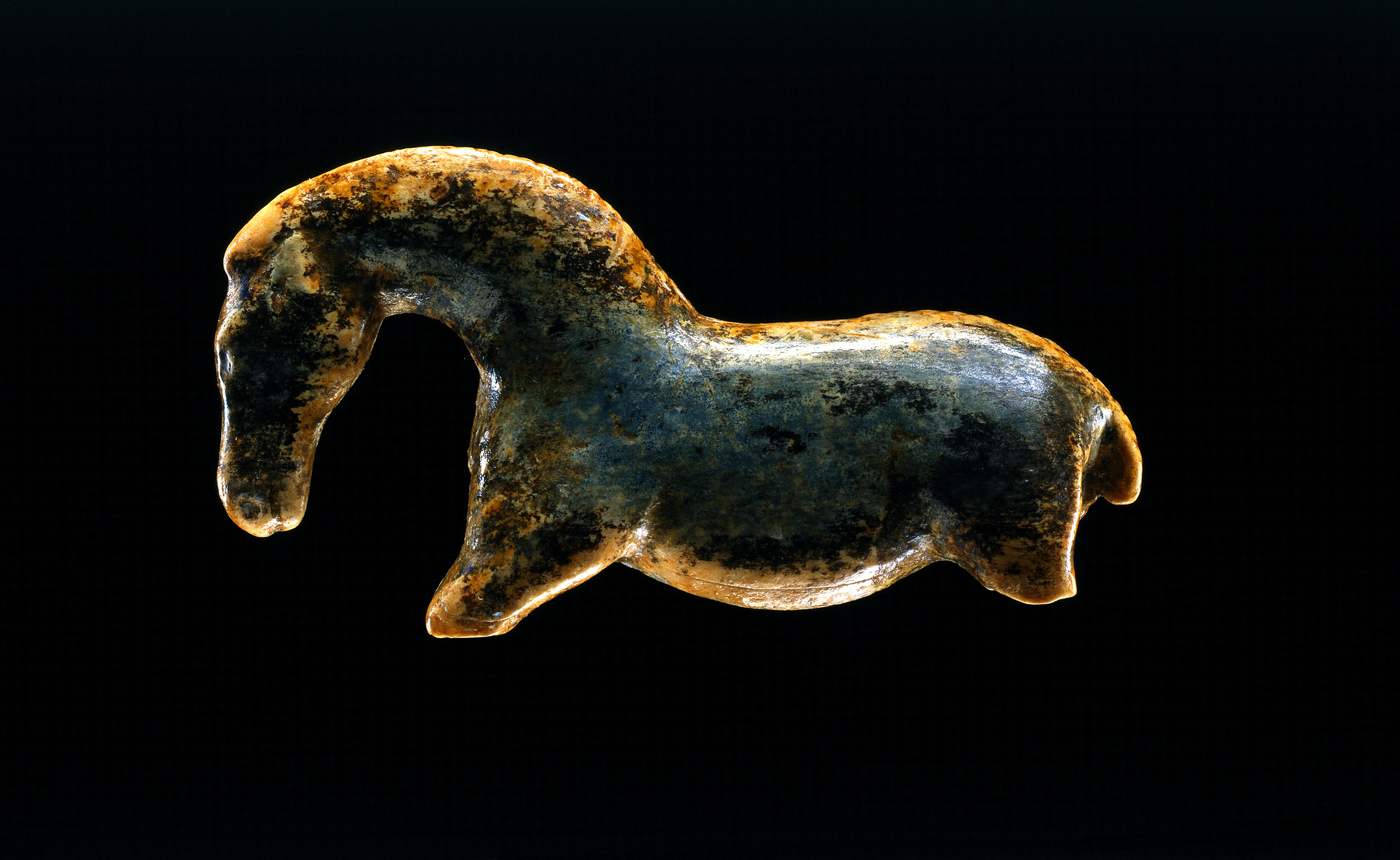
Architecture: nice medieval/early modern town centre; a middling castle (now mostly university departments and a museum of antiquities - do look at the prehistoric sculptures) that was nicely made whole after the French took it in 1647.
History of science: In the castle kitchen DNA was discovered (the substance not yet its structure; small museum by the university; you might also look at the other locations of the university museum);
in Haigerloch (~30 km to the SW) the Third Reich’s nuclear programme (such as it was) ended (small museum) - they didn’t even get as far as the first Chicago Pile got in 1942.
If you are into cars: museums of Mercedes and Porsche in Stuttgart. The Mercedes museum building is an interesting sight in its own right. Also Motorworld (vintage cars) in Böblingen.
The television tower in Stuttgart (built 1956) is the world’s firts reinforced concrete television tower and the prototype for the others in the world. Good look on the valley of Stuttgart.
More off-the-wall museums: In Waldenbuch (halfway between Tübingen and Stuttgart), there are two interesting museums:
- in the castle, a museum for everyday culture - artifacts and reconstructed rooms of households in the region in the 19th and 20th century
- at the Ritter-Sport works (manufacturer of a well known German chocolade brand - the square bars are an iconic consumer product in Germany):
an art museum with exhibits centering on the theme of the square (I’d call it a Museum Of Square Art), with an attached café where you can pig out on chocoladey dishes.
If you are into geology, the 2 hour drive to Nördlingen is worth it (crater museum at Eugene-Shoemaker-Platz on the impact of 14 million years ago that made a 20 km diameter crater now filled with sediment).
Bonus: very nice old town with one of the few completely remaining walkable city walls. Nördlingen is worth a day or two in itself.
- (Eberhard made a vow not to shave before pilgrimage to the Holy Land, and travel arrangements were delayed)