That’s brilliant!
wait, are you saying the majority of American people are lactose-intolerant, besides the Semetic/African-American subset?
Did you see the word “American” in that post? I said “of humans”. Most humans aren’t American.
Thin plaster a white liquid.
White paint is a white liquid.
Wite-out is a white liquid
I’m sure there are 100s of liquids that are white. Not sure I want to eat them.
Why is that a comparison at all? To something you’d drink for nutrition.
Milk of Magnesia? Really?
I rarely drink nut and grain milks, and don’t suggest you do, either. Unless you like soy milk or oat milk or whatever. I’m just arguing that there nothing wrong with calling them milks, and that a few of them, like almond milk, have been eaten as a non-dairy substitute for mammal milk and called “almond milk” for hundreds of years.
Understand. Thanks for clarifying.
And while the first source I read described them as used differently than cows milk other sources confirm they were, especially for lent.
My distaste for pretending plant products are animal ones still stands though! Enjoy veggies for what they are.
Your objection to non-dairy milk is aesthetic and you pretended that it was scientific. A little sketchy but here we are.
Anyway,
What’s the health benefit of a tablespoon of non-non-dairy milk?
I was finally persuaded by vegan arguments to go vegan in 1999. I had cereal with soymilk for breakfast every day. Practically lived on soymilk and tofu. Then in 2006 I went back to lacto-ovo-vegetarian because I was starting estrogen and out of an abundance of caution didn’t want the soy to get in the way of my estrogen receptors. Probably not really a concern, but I’ve lived on cow milk ever since. After years of soymilk, my return to cowmilk made me notice something subtle I hadn’t noticed before. A certain animalistic quality to the taste, as much a reminder of Bos taurus as the smell of leather. Now I’m so used to it, I don’t notice it.
I think you are a little confused. Maybe thinking I wrote what I had responded to? Or just confused about what I wrote? Both? Dunno. “But here we are.” 
I have no objections to anyone choosing to consume non-dairy vegetables origin products as a dairy substitute. Especially as a tablespoon added to their coffee. And cow dairy products are also just fine. For me fermented products please. In moderation.
Again, what are the health benefits of a tablespoon of cow’s milk?
I think you’re confused about that coffee study. Up to one tablespoon of whole milk in your coffee doesn’t negate the positive effects of coffee. The benefits come from the coffee, not the milk.
Yes. That was the point of providing the study to @solost who was expressing concern that dairy in their coffee would block any potential positive antioxidant impacts of drinking coffee (and the question of the op): a tablespoon or less of cream (and up to 5 tablespoons of 2% fat milk) were as correlated with positive outcomes as black coffee was. (And just correlated.)
Seriously, what is so confusing to you here? And what position are you trying to argue for?
Again my position:
It doesn’t sound like you disagree?
I just thought the part I quoted was funny given the line of conversation that led to it. Wrong forum, though. You have a vibey thought process. It’s an odd way to reason for someone with your educational and professional achievements. I find it interesting. Still, wrong forum.
Again, what confuses you?
Cows milk in coffee, oat milk in coffee? Neither is a big deal health wise. Unless you are lactose intolerant opines @Chronos … to which I respond, even then, not enough lactose to be a concern.
But whatever. I gotta admit “odd” I’ve been called but I’ve never had my thought process labeled “vibey” before … Sounds good to me! 
Vibey reasoning is the norm in my experience. I would’ve thought doctors and such would think differently from us rubes, that’s all.
One of my favorite YouTube docs uploaded a video on the health benefits of chocolate yesterday:

Here’s a recent one on dairy vs soy:
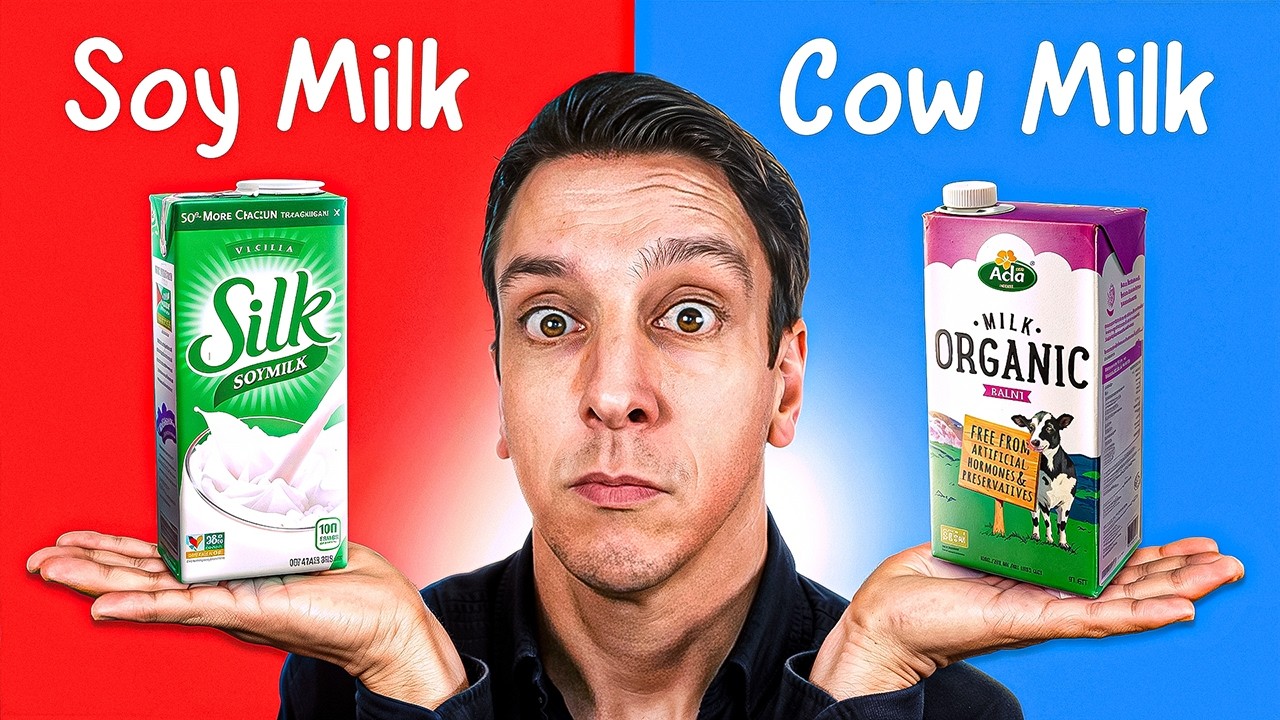
Summary:
Cacao is the product after the brand have been fermented, but before they are roasted. After roasting it’s cocoa.
The fat in chocolate, while saturated, isn’t metabolized the same way most saturated fats aren’t, and it’s impact is more like that of olive oil.
Cocoa powder is better for you than dark chocolate which is better than most candy bars, which have lots of added sugar and other stuff.
Treating cocoa with alkali, which is very common, and sometimes called “dutching” the chocolate, reduces the flavanoids and other micro nutrients that are probably good for you. Read the label.
Even with all that, the benefits of consuming chocolate are minor, of they exist. But a couple of squares of dark chocolate is a healthier snack than most sweets.
If you go that route, look for chocolate that’s at least 70% cocoa solids and hasn’t been dutched or treated with alkali.