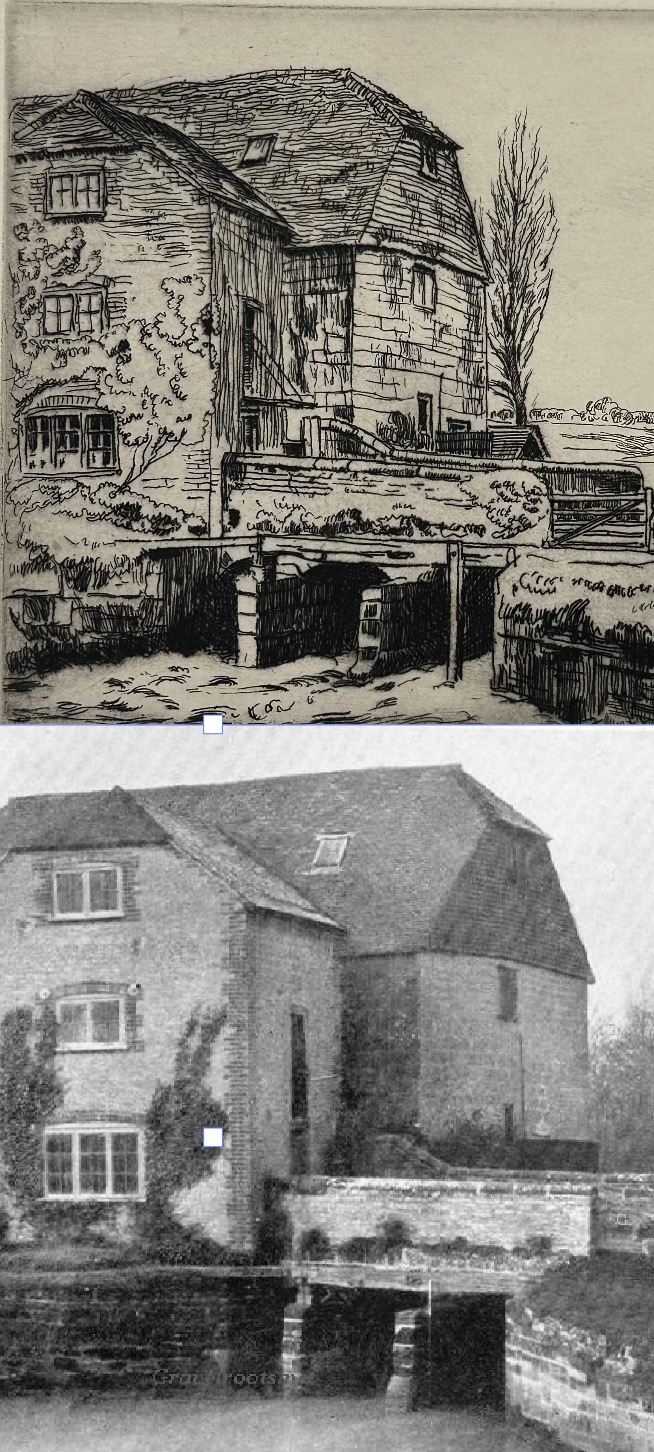
I bought a pen-and-ink print from eBay perhaps a dozen years ago. The print is by Hanslip Fletcher (1874-1955), an English chap. On the reverse, on what appears to be the original mat, are written “limited to 75 copies” and, on the lower right reverse, the text you see in the second image.
I have two questions/mysteries:
A) I can find quite a few examples of his prints online at auction houses and art shops, but none of this particular print. The signature looks legit, and the style is within his range, and I can accept that it is ~100 years old, so authenticity seems fine (I did not pay much for this print, so I’m not worried about having been scammed). If there were indeed originally 75 printed and sold, it is odd I cannot find this image anywhere, even in art archives of his work. So, if authentic, it seems I have something unique in some way. His original prints aren’t expensive; typically $100 to $400. I don’t know if mine would command more value/interest due to its scarcity.
B) The location depicted. Fletcher typically sketched real locations, often London locations. This is in a countryside, perhaps a tidal mill. The second image is what is written on the reverse; to me it looks like “Tittlewick” or something “Xittlewick”, “Sussex”. I’ve searched all the lists of towns and villages in what are now East and West Sussex but can’t find anything that matches, except Littlewick Green.
I used to be in the art print business, but I never dealt with prints from long-passed artists. Any theories or knowledge or hints would be appreciated.
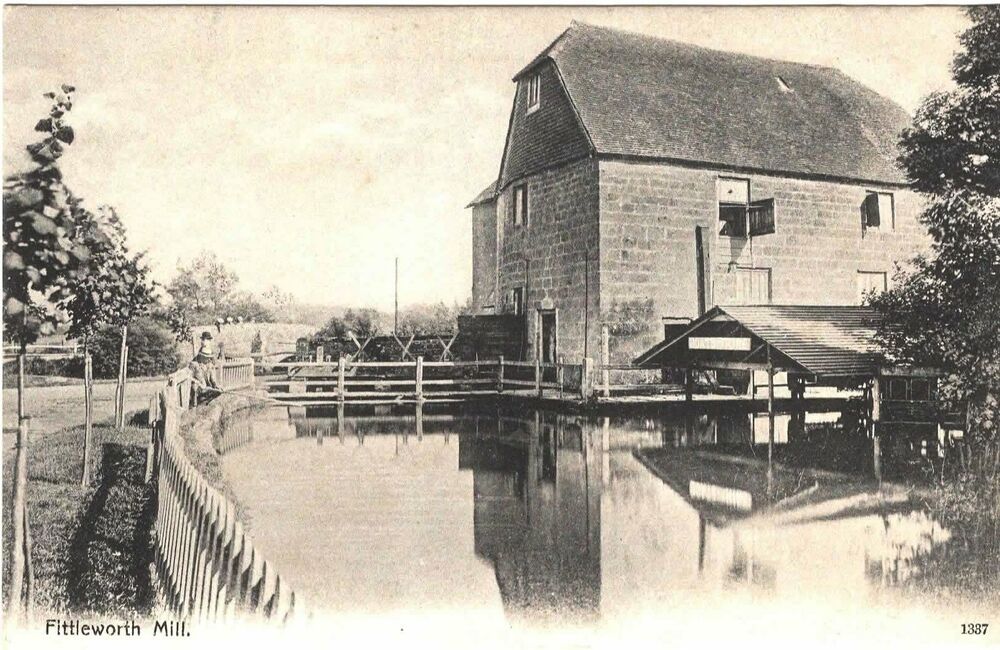
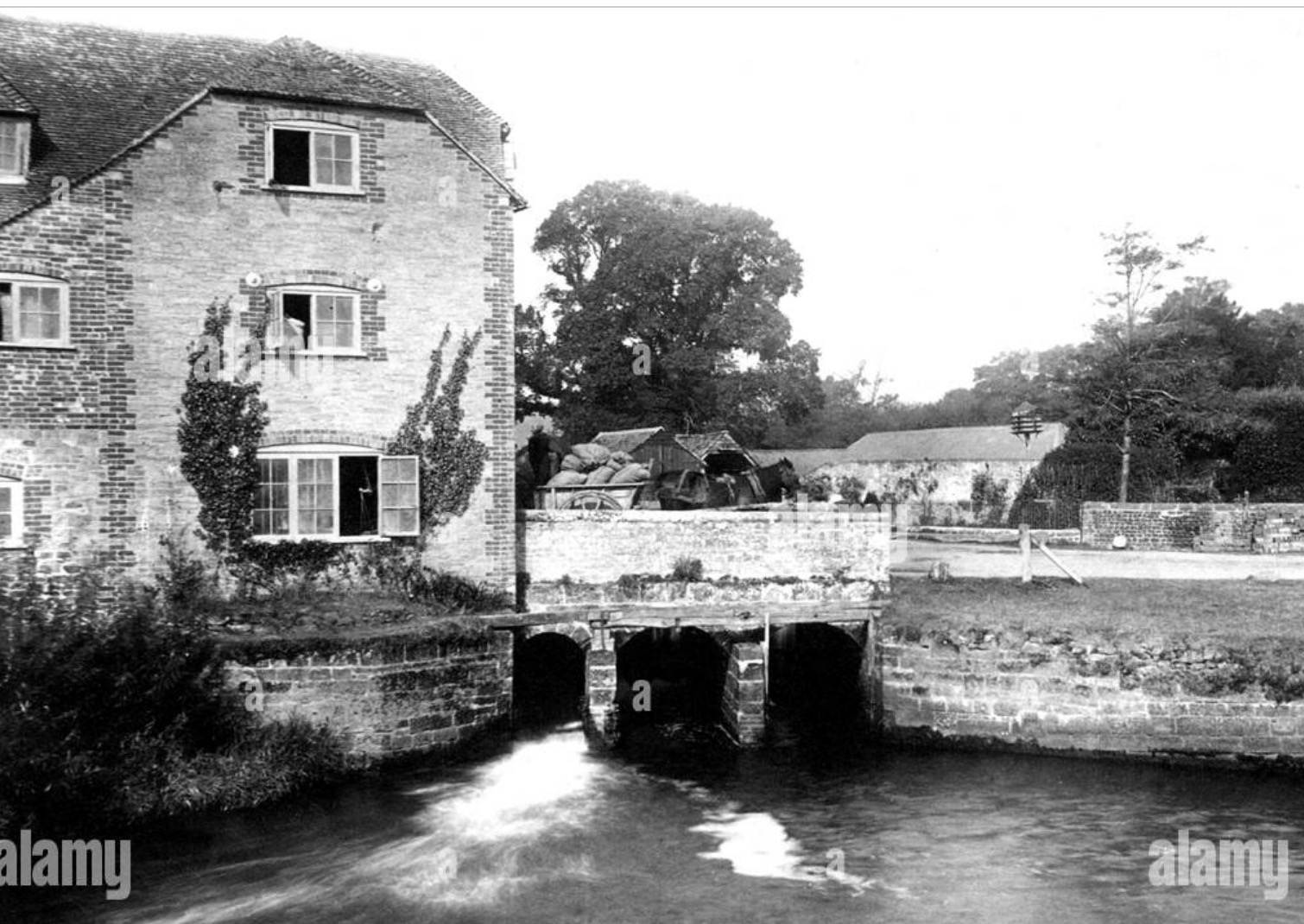
There is a website with an interest in historical photos of that area:
There are both more photos there on that page, and apparently in their offline archives as well. You may wish to reach out to them at Policy - The Rother Valley Guide, West Sussex, England, UK both to ask about the mill, and maybe to also contribute your print to their collections?
Also, are etchings typically reversed left-to-right, like if it was carved the correct way up and then reversed in the print? All the photos and other painting I found seem to be either “reversed” or maybe from a different angle, hmm.
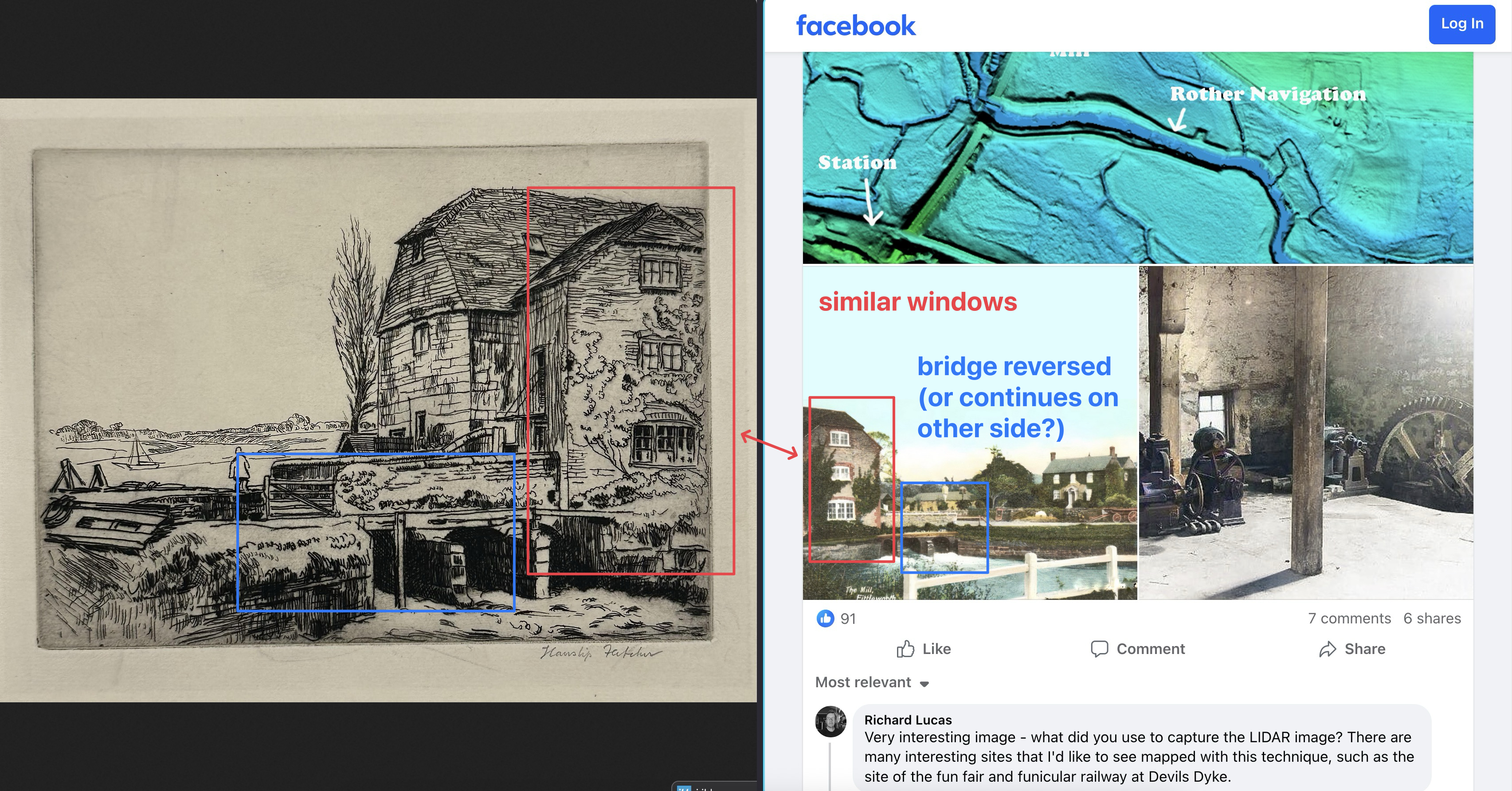
Because if that’s the case, look how similar these are, even down to the pattern of the ivy on the bridge and the position and shape of every building opening. Yours at top but mirrored left-to-right, Gravelroots postcard bottom:
It’s got to be that mill. You should reach out to the Gravelroots folks… they’d probably get a kick out of your old print.
Absolutely incredible and incredibly fast work, @Reply I am very impressed!
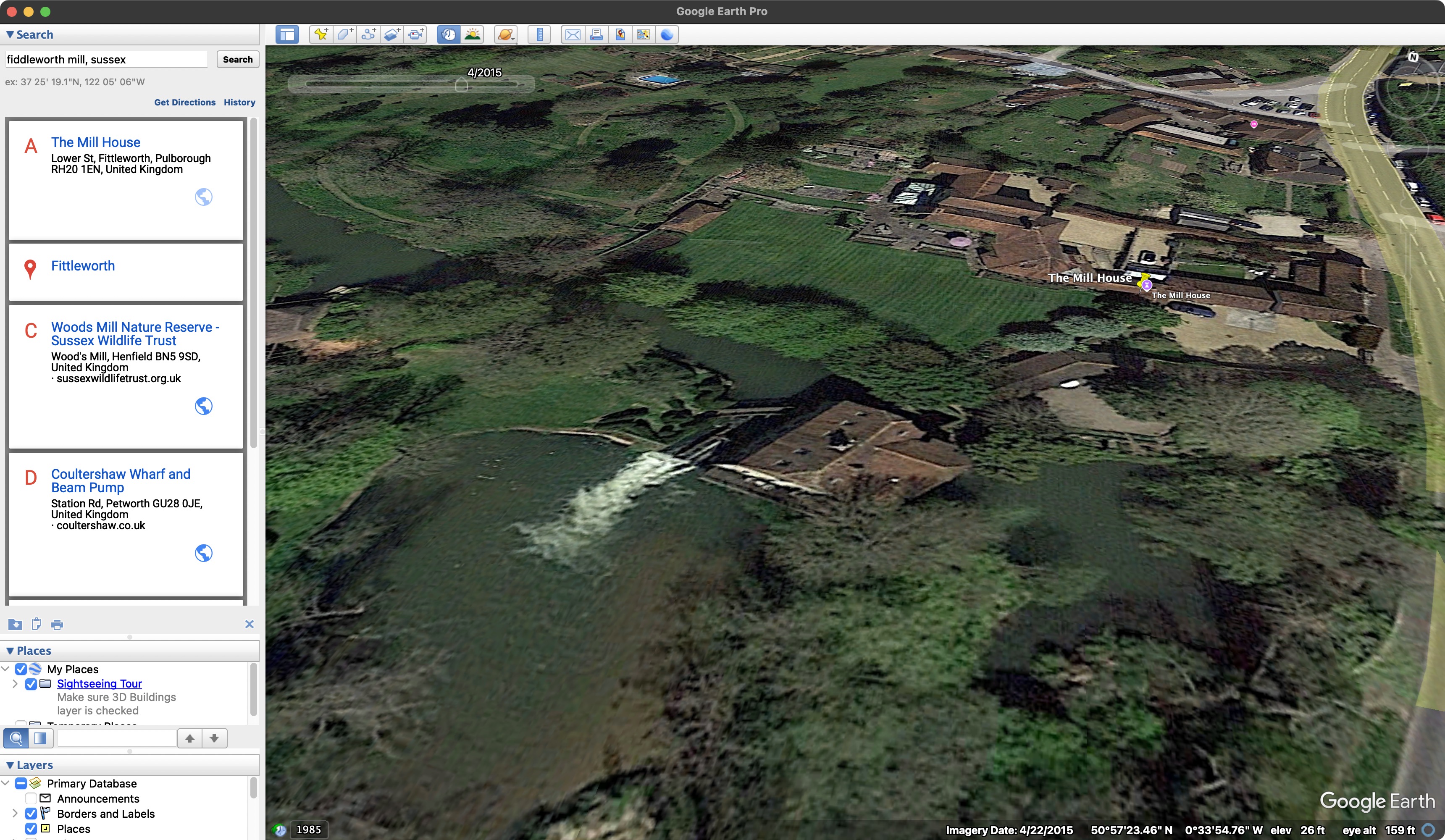
I probably didn’t run across that in my search because the writing looked so strongly, to me, as ending in “wick”. But everything else you found, especially the photographic evidence, points to Fittleworth Mill in (West) Sussex.
I will explore the Gravelroots site and share with them what I have.
Many thanks!
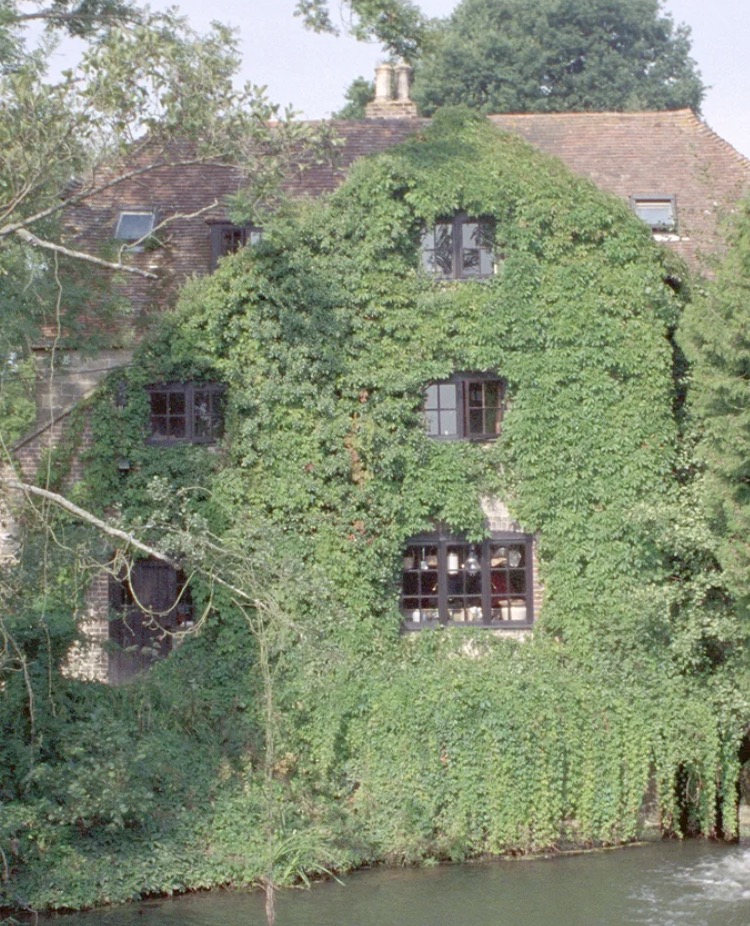
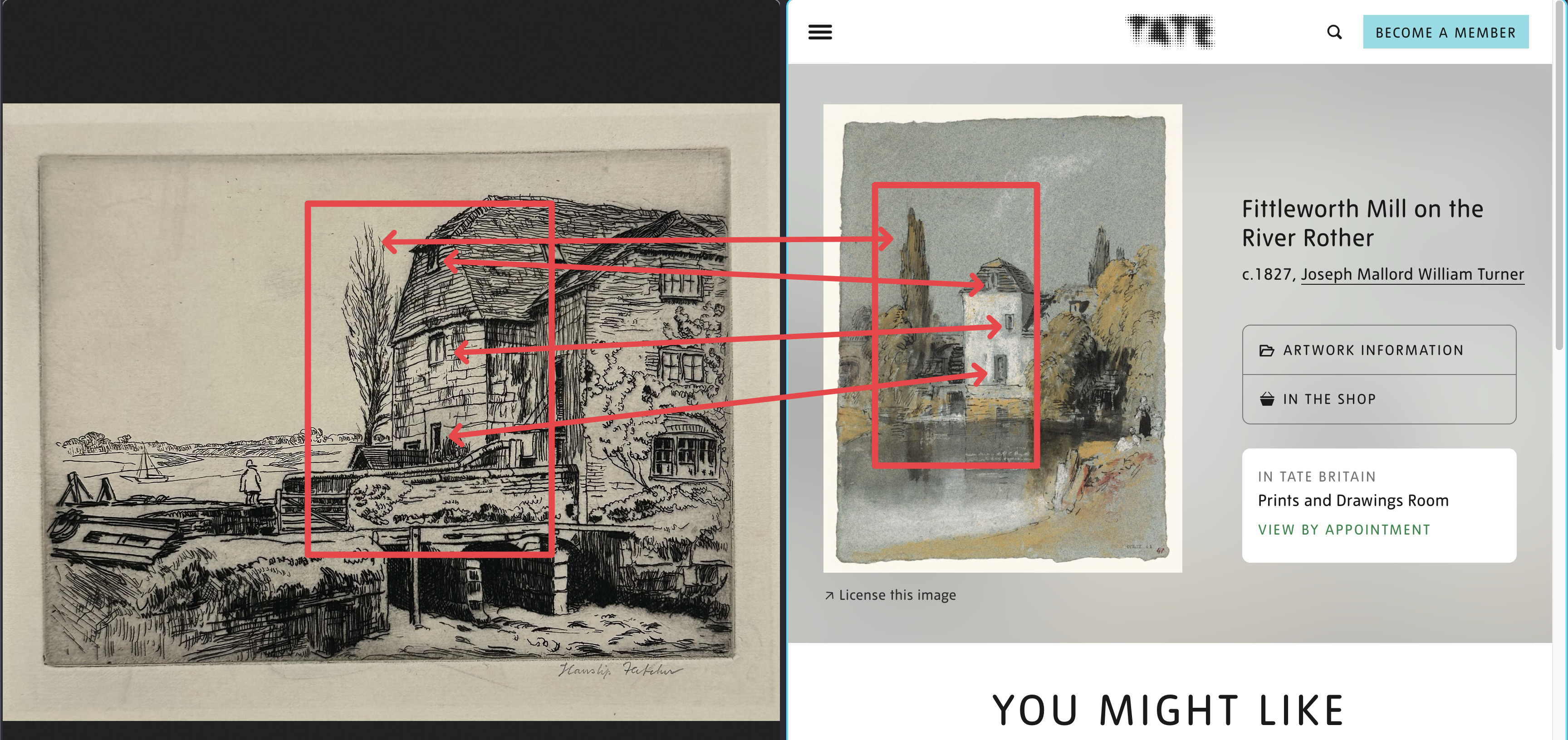
For what it’s worth, I couldn’t read the handwriting either — I suck at cursive — so I put both the original pic and the handwriting through AI (Gemini Pro) and it put two and two together and identified the specific mill.
From there, I spent some time manually verifying it and finding the matching angles. The AI has more art history and mill history background knowledge than I possibly could, but it’s always good to double-check.
The curator at the Gravelroots Archive kindly responded to my email of yesterday thusly:
This is 100% Fittleworth Mill or at least a reversed version.
Other than those shown online we possess many old images of the mill and know it well.

We have seen Fittleworth misspelled on  previous occasions.
I personally think this stems from the fact that the, very nearby, pub was headquarters for all the visiting artists, but am assured by one of our very knowledgeable lady archivists that it's simply just bad handwriting.
I laughed at the mental image of a somewhat inebriated artist inscribing the location whilst sitting with his fellow artists (just a fanciful thought; I have no idea if Mr. Fletcher was so inclined).