Varied from state to state but there were states from the very beginning where voters chose electors directly, though it could vary in whether the electors were chosen in statewide ballots or within districts. And that did indeed change to several state choosing to have their legislatures choose electors as political parties formed and took control of state legislatures but this wasn’t the case for all states.
That said, electors didn’t always state their intent or directly state their preferred political party, so “popular vote” for POTUS is a difficult concept for those first few elections.
But by ~1800 or so and definitely by the 1820s, it was pretty clear how electors would go, for the states where electors were directly elected, a vote for a particular elector was more or less a vote for that POTUS candidate. There were some states that held out and still had their legislatures choose electors until just about the Civil War but certainly after that point, popular vote was used and morphed into the current system where most people don’t even know who the electors for their state are.
But (yet again), record keeping back then wasn’t great in every state, so some early vote tallies have been lost to history.
So, definitely vote totals for Washington, in particular, would definitely be nebulous, but less so for Adams and Jefferson and very much less so after, at least in states where electors were chosen by popular vote.
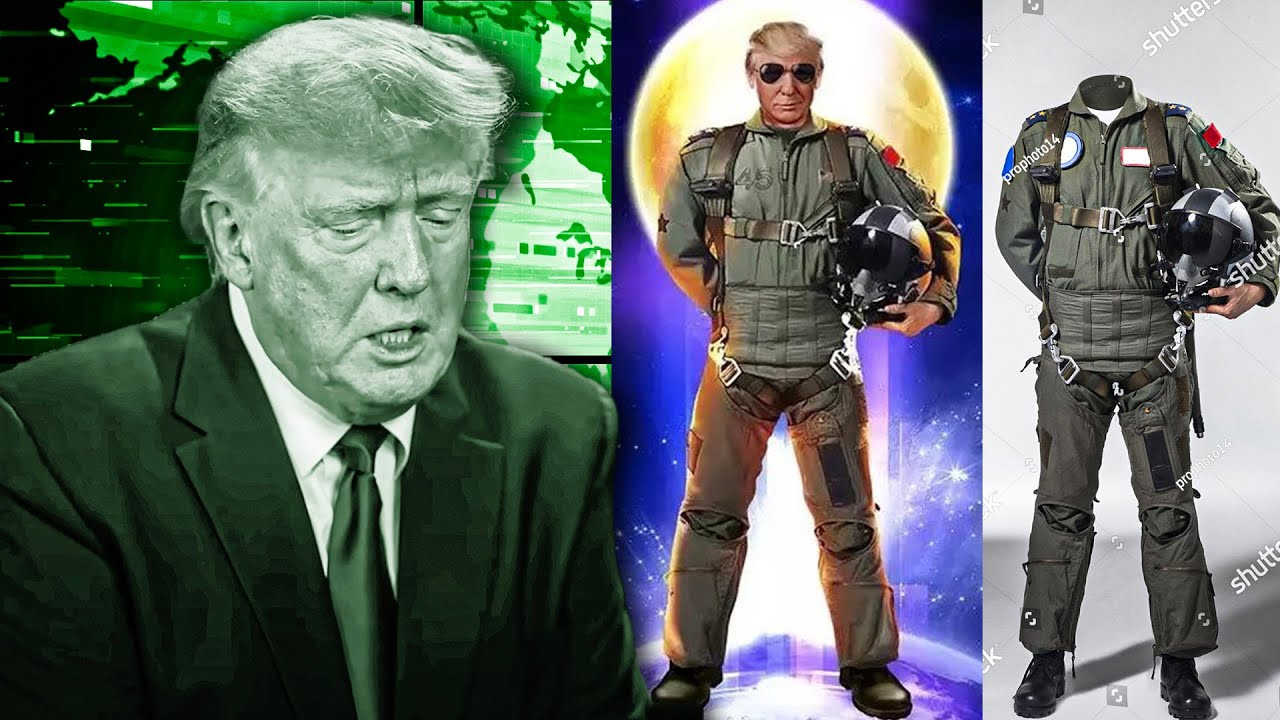
Donald Trump’s digital trading cards have lost 72 percent of their value in the last week after prices initially soared online, according to figures from the OpenSea website which tracks the sale of non-fungible tokens (NFTs).
And yet, “In total each card has still gained significant value since they were first sold, with their cost increasing by 182 percent since they were made available.”
A saying that probably goes back a hundred years: when a buddy tells you that it’s “not about the money. It’s the principle of the thing …” It’s about the money.
But … y’know … I’m glad the truth has finally come out
I’m not sure the price really matters to many of his followers. They may have bought them for things like the satisfaction of owning part of a collection, supporting Trump, bragging rights to their fellow Trumpers, etc. They may have no plans to ever sell. It’s like how people buy Franklin Mint plates or old beer cans for the enjoyment of having the items rather than a future cash windfall. I wouldn’t be surprised if the people expecting an investment were not even Trump supporters. They may have bought in with the hope of a big payday and not cared anything about Trump. It might be like how someone got into the Beanie Baby market with the hope of making big profits rather than any love for the stuffed animals themselves.
Next you’re going to tell me that my vast collection of Beanie Babies in my garage are not worth a fortune. I’m planning on retiring soon on the funds.
I’ve spotted a flaw in the logic of applying the enjoyment of ownership of a physical object to NFTs. Not that it has stopped any of the rubes in NFT schemes.
You might like this 8 minute documentary a guy did on his family and their Beanie Baby obsession. It was made for a university class, but he did a good job.
As a single piece of anecdata, a friend of mine claimed, to a roomful of MAGA, that he bought a Trump NFT for shits and giggles… and they all thought he was a fool for wasting his money.