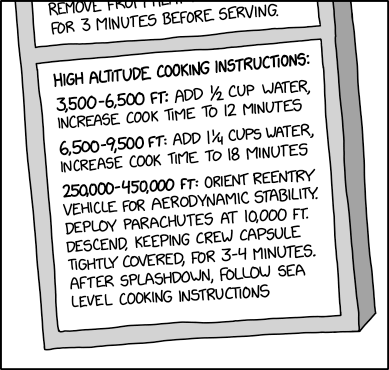
Hold my beer!
Czech beer in this case.
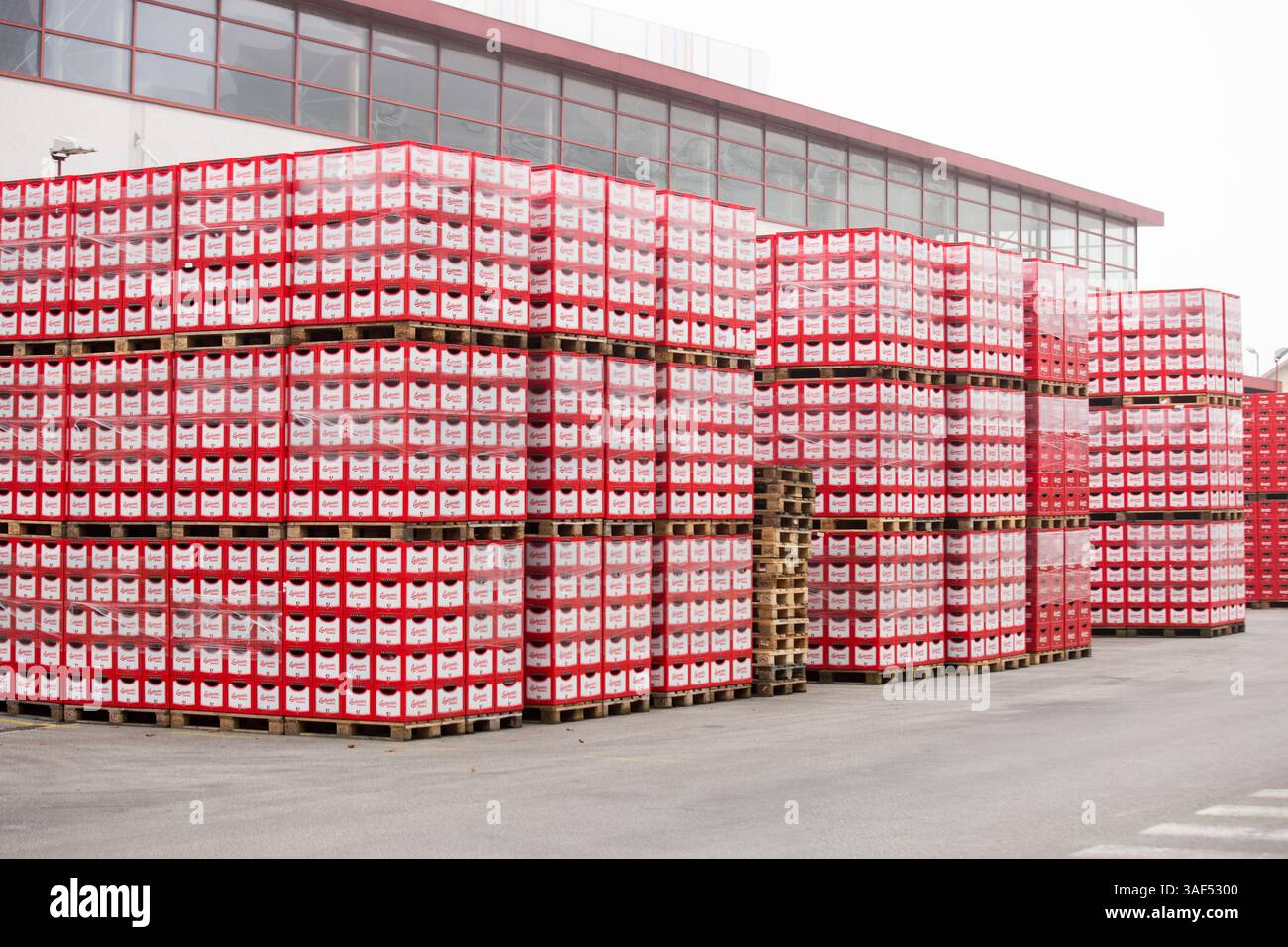
Huh. I visited the Czech Republic, and i could have sworn they had ordinary European sockets.
Also, i travel a lot, and I’ve only seen about 5 of those. Maybe 6.
(Two US, 3 EU, one UK.)
One dirty little secret that most world travelers discover is that you don’t really have to worry about sockets - unless you’re travelling with your refrigerator, the Europlug works just about everywhere.
The UK socket is really different.
The US/Japanese sockets don’t work with European plugs. (And the Japanese ones don’t work with grounded (3 prong) US plugs.
I’ve seen two different version of the EU grounded socket, but both of them, and the ungrounded one, work with the standard EU plug. I have a lot of US-to-EU plug adapters. They do work in an awful lot of places.
They usually have a rerun on Thursday and a new one on Friday. The rerun is marked as such, and this one is not marked that way.
My older house actually has a type G socket on one wall, I don’t think it’s even still wired for electricity; no idea what the story there was.
Is this in the US? Are you sure it’s an IEC type G and not a NEMA-6-15R (which looks somewhat similar)? The latter is often used in the US for 220 volt appliances.
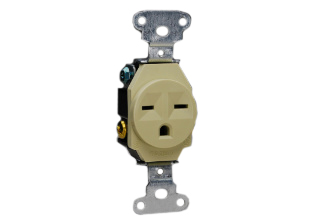
You can’t fool me - that’s Thomas the Tank Engine taking a nap
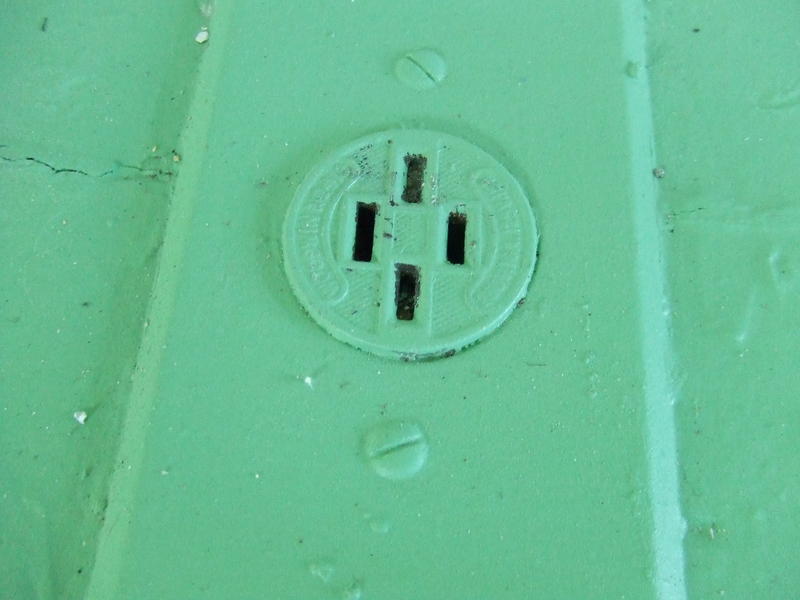
Okay, I was misremembering the slot arrangement. It’s actually an old example of what was called a “Nurpolian” socket: a dual parallel/ side-by-side slot, like this:
I think the world would be a better place if we all standardized on type K. It’s not coincidence that it’s used in Denmark, the (2nd) happiest country in the world.
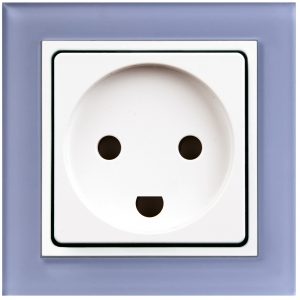
Not sure what’s different between Type D and Type M , and Type N and Type J?
We have type M here, although it’s gradually being phased out in favour of our other Europlug-compatible standard.
He may think he’s joking, but universal sockets actually exist.
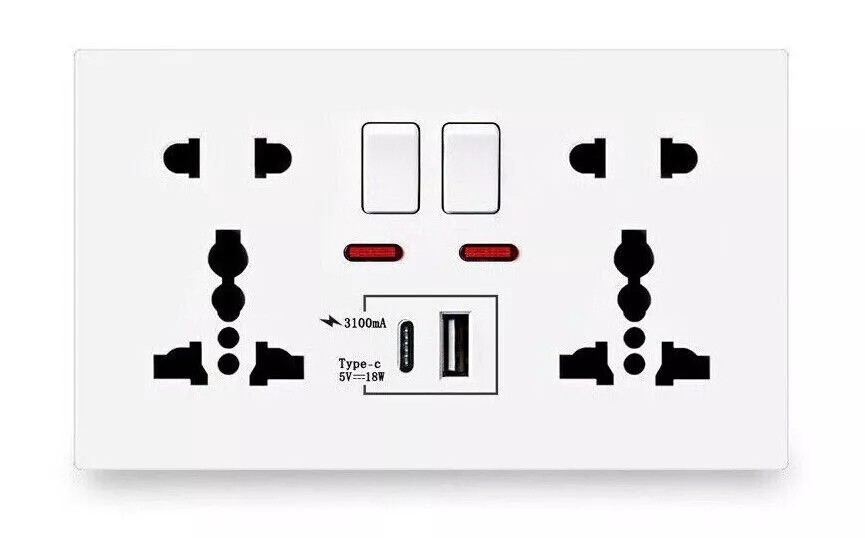
I had the same question looking at the pictures. But from the universal socket, you can see that the vertical distance between the third prong and the other two is different between both those pairs.
I’ve seen them in airport hotels. But they usually just do the European and US plugs. I once saw one that did UK and something i had with me (probably euro). I don’t think they come quite as universal as the one he’s drawn. (I can’t tell from your image how universal it is.)
You have to be careful with a universal outlet design, to make sure not only that everything can be plugged in, but also that nothing can be plugged in in more than one way.
Better link:
With N and J, you can see that the configuration is slightly different; D and M are less obvious, but I think the ground is thicker in M.
So the UK and Australia have sockets that you can’t use if you are traveling with only US and Euro 2 prong plugs. And South Africa has some, too.
Most anywhere else the euro plug works. (Except the US, Canada, and Japan, which share a standard, or close enough.)
Wow. I thought I’d seen every crazy power socket ever used in the USA. I thought wrong. For everyone’s reading pleasure: History of AC power plugs and sockets - Wikipedia. With pix.
I think the joke is that he’s advocating a conventional USA outlet just have more slots cut into the cover plate. To fool both inspectors and users that there’s really a universal outlet behind the cover.
The one place a typical provincial insular American might encounter (near-)universal outlets without traveling out of the country is aboard a domestic airliner. Most now have 110v power at each seat with a mostly-universal outlet to connect to.
I believe it covers all the socket types.