We often see in movies someone dancing with a partner who proclaims no knowledge while their partner is skilled and then they dance wonderfully. I get it…movies…but can it be done in reality?
For this assume the lead is really good at it.
We often see in movies someone dancing with a partner who proclaims no knowledge while their partner is skilled and then they dance wonderfully. I get it…movies…but can it be done in reality?
For this assume the lead is really good at it.
No. You still need to know the footwork. Leading basically means you’re calling the shots as to what you’re doing next. If the partner doesn’t know how to do the dance, the dance won’t go anywhere.
Both partners need to know the dance.
But if you’re out there just fooling around you can fake it enough you won’t be laughed at.
I danced a lot between high school and university, everything from folk to ballroom. I was often paired with a partner who had never danced before, but I found it fairly easy to gat them started by going slowly and talking them through each step. They were usually quick to follow and could dance well after a minute or so.
(It works both ways, too. I learned to polka after I was grabbed by a girl who really knew what she was doing, and I picked it up almost immediately.)
Can you be a great dancer just because you are dancing with a strong lead? Of course not. Can a strong lead get you through a dance you don’t know, if it’s fairly simple, and if it’s mostly connected? Yes. I’ve been led through stuff i didn’t know, and it went well. I’ve also struggled to follow someone, either because they were not leading clearly, or because i had to do a lot of the dance on my own (not highly connected) or because the step was not one that i connected with well. I struggle with two-step, and even with a strong lead it’s often not great. Rhumba and waltz have easier rhythms, at least for me.
I am surprised about the two-step. I am not a good dancer at all but that I found easier to follow.
To each their own. (really)
I have to side with the majority here: the people I know who are into dancing practice all the steps and moves.
Obviously there’s some element of natural aptitude here.
And at least in the US, a hefty fraction of girls did / do some dancing, even if it’s “modern dance” group choreography while in school. Which results in them at least getting used to the idea of hearing the beats in music and moving in sync to them. Call that “cultured aptitude”. Meanwhile the boys were probably doing sports, culturing an aptitude in that, not in dance.
So in the traditional “male leads” model of western couples dance, even a total noob of a woman / follower usually isn’t starting from absolute zero. Just close to it.
Beyond that, I’ve got nothing that hasn’t been said. A good lead makes it easier, but if the follower doesn’t even know the “language” the lead is “speaking”, the cues will pass unnoticed and unacted-on.
There are some dances, such as waltz, polka, cha-cha, bop, and two-step, that have a (for lack of a better phrase) fallback move, such as the box step for waltz. As in, once you learn the box step, a good partner can lead you through a dance. There are others (foxtrot and tango) come to mind where both partners need to know their roles and steps.
I took five years of cotillion in middle and high school, and Mrs. Gaddy would ask me to be a filler at the Raleigh Junior Cotillion ball for a couple of years into college. I hate foxtrot with a passion normally reserved for the UNC athletic program.
I very much doubt it. I have two left feet.
My place at a dance hall is in the band… I can keep time on bass as part of the rhythm section…
It depends on the style of dance. For merengue, where the footwork is nothing more than left, right, left, right, etc.. I can lead someone who has never done social dance before by demonstrating the footwork in about three seconds and using arms and upper body to guide the turns. For bachata somewhat similar, although I have to stick with the basics. For salsa, the footwork is too complicated. Both dancers need to have had lessons and practice.
As a swing dancer for a number of years. If a follow does not know the basics of following, a strong lead will nto be able to domore than kind ofswing them around. think of moving a large stuffed animal. A strong lead can shove them around but it really isnt dancing. Now a good follow with good frame and connection can follow in an unknown dance with a good lead. A good dance (not choreographed) is all about communicationbetween the lead and follow.
Not saying a chroreographed dance is not a good dance but everyone knows what is happening and doesnt depend on a lead/follow communication. for example, Fred Astaire’s dancing is all chroreographed. he said he was a terrible social dancer becaue he did not lead. (or words to that effect)
I have danced with some incredible leads that the dances were just magical.
Was it Ginger Rogers who said she did everything Fred Astaire did but backwards and in high-heels? 
I started dancing at Concordia College’s Russian language camp when I was 17. Everyone except for the senior staff was obliged to practice for at least an hour every evening, five or six days a week, We had an excellent teacher, a young Ukrainian-American guy who started out by showing us the basic step for the hopak. For the first three weeks, it was all we did around and around the dance hall until even the clumsiest of us could do it perfectly. (We also grew muscles where we didn’t know we had any!)
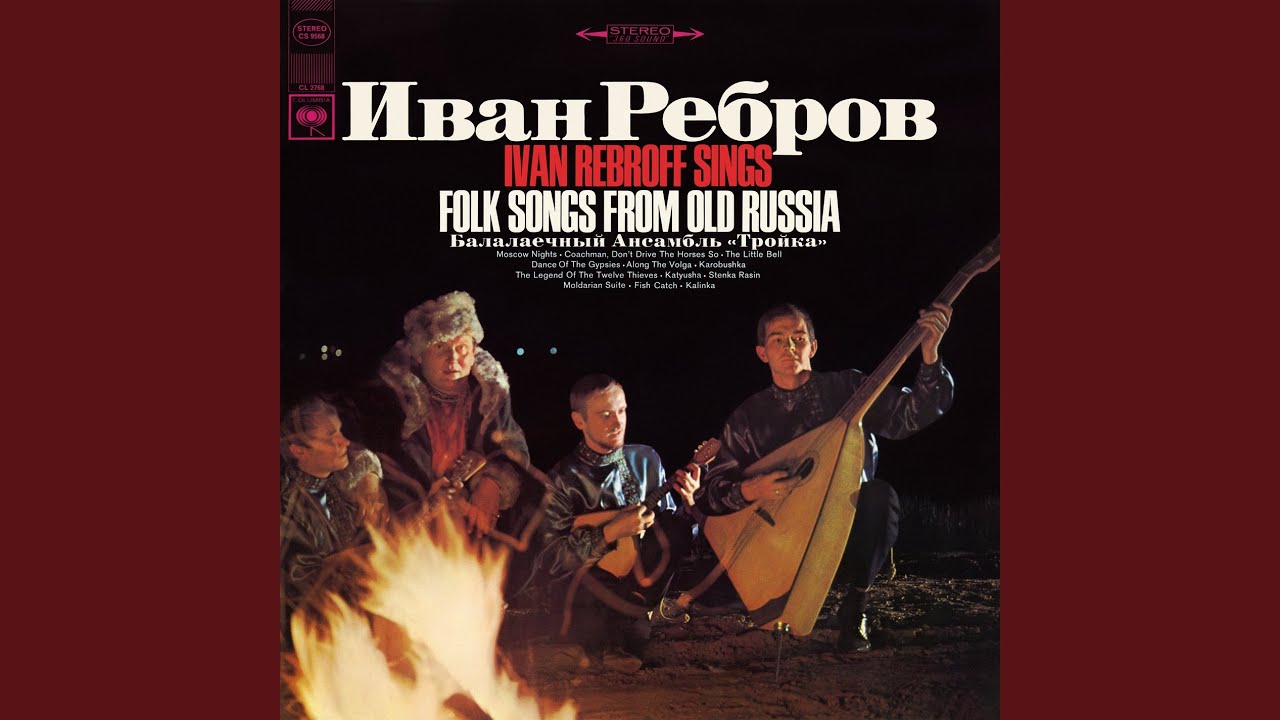
The fourth and final week was devoted to choreographing four different dances, the last of which was the longest. On Saturday night, we closed the gathering of the different language camps (Norwegian, German, French, Spanish, Russian) in Moorhead by dancing in full costume. (We also had several minutes of beautiful balalaika and guitar music performed by two of the camp counselors.) The other camps had been waiting all evening for us to dance, and we got a standing ovation when we did.
This is the tune the counselors played, and they did so beautifully after weeks of practice:
Yes, yes she did.
Years ago a friend and I took swing dance lessons. Neither of us had partners but it was ok because everyone rotated and danced with different partners at different times. At one point, each of the guys had to dance with the female instructor, we ladies with the man. I was absolutely dreading it as we had to do it in front of the whole class. I knew the steps in my head, but I am not good at choreographed dancing AT ALL. That gentleman made me understand the phrase “dancing on air”. And he wasn’t just dragging me around; I could feel myself doing the steps with him. Maybe the only time I wish I’d been filmed.
Fred’s audition apparently did not go over well: